
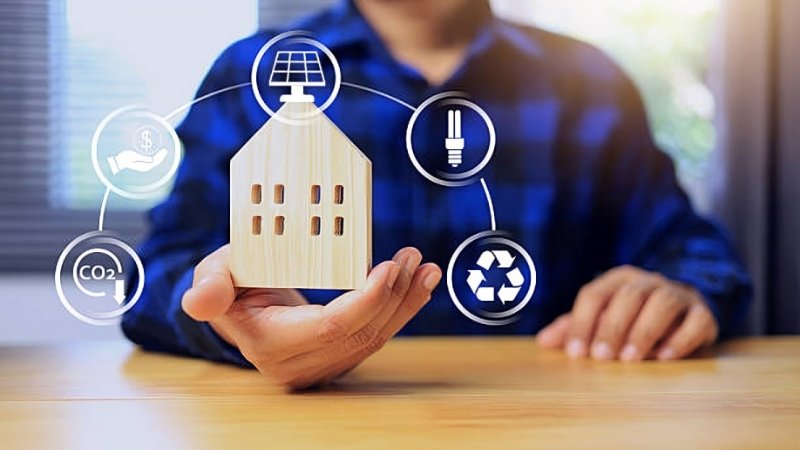
We often think of sustainable property planning in terms of materials and energy efficiency. Solar panels, triple-glazed windows, and recycled insulation are usually the first things that come to mind. While these elements are crucial, there is a missing piece of the puzzle that is rapidly gaining traction among forward-thinking developers and homeowners alike: flexibility.
What is Sustainable Property Planning?
Sustainable property planning goes beyond simply “going green.” It is a holistic approach to design and construction that seeks to minimize environmental impact while maximizing social and economic benefits over a building’s entire lifecycle. This involves careful consideration of site selection, water conservation, energy efficiency, and indoor environmental quality.
At its core, this planning philosophy aims to create spaces that exist in harmony with their surroundings. It reduces the carbon footprint not only during the construction phase but also throughout the decades of the building’s operation. However, the definition is evolving. As the climate crisis intensifies and societal needs shift, the static definition of sustainability is being challenged. A building that is energy-efficient but sits empty because it no longer meets user needs is not truly sustainable. This is where the concept of functional longevity comes into play.
The Rising Importance of Flexibility
We are moving away from the era of single-use structures. The traditional model of building a home or office for a singular, permanent function is proving to be economically and environmentally costly. Life is unpredictable. Families grow and shrink; businesses expand or go remote; economic climates shift. A rigid property plan fails to accommodate these fluctuations.
Flexibility allows a property to evolve. It answers the question: “What if?” What if this office needs to become a residential space? What if this large family home needs to be subdivided into apartments? Designing with these questions in mind prevents premature obsolescence.
This trend is also driving the popularity of alternative construction methods, such as portable wooden buildings in Lafayette. These structures offer a unique solution by being inherently movable and adaptable. Unlike a traditional annex built on a concrete foundation, these units can be relocated or repurposed as needs change, ensuring the physical structure remains in use even if the original location is no longer suitable.
This ability to physically move a building is the ultimate expression of flexibility, preserving the embodied energy of the materials and preventing demolition waste.
Benefits of Integrating Flexibility
Incorporating flexibility into property planning offers tangible benefits that extend far beyond environmental ethics. It is a practical strategy that adds value for owners, occupants, and the community.
Extended Lifespan of Structures
When a building can adapt to new uses, it stays standing longer. This is the most direct way to reduce the construction industry’s massive carbon footprint. Demolition and new construction are resource-intensive processes. By designing for retrofitting—using open floor plans, non-load-bearing partitions, and accessible utility chases—we ensure a building can serve multiple generations of users with different needs.
Economic Resilience
Flexible properties are safer investments. A building that can easily transition from retail to office, or from single-family to multi-family, is less likely to become a stranded asset during economic downturns. For homeowners, flexible spaces (like accessory dwelling units or convertible rooms) can generate rental income or accommodate multi-generational living, providing financial security in changing markets.
Reduced Waste and Resource Consumption
Adaptability inherently supports the circular economy. Instead of the linear “take-make-waste” model, flexible planning encourages reuse. Modular components that can be disassembled and reconfigured reduce the need for raw materials. This approach minimizes the debris sent to landfills and lowers the demand for virgin resources like timber, steel, and concrete.
Future-Proofing Communities
On a macro level, flexible property planning creates resilient communities. Neighborhoods can evolve organically without the disruption of constant demolition and reconstruction. As demographics shift—perhaps with an aging population requiring different housing types—the existing building stock can adapt to support them. This stability fosters a stronger sense of place and community continuity.
Conclusion
The future is uncertain, and our buildings must be ready to pivot. Sustainable planning now means designing for change, not just using green materials. By embracing adaptable designs and multi-purpose spaces, we create resilient, economically sound properties. We must stop building for a single moment and start building for the long haul.

Malik Bilal is the Editor at World Outstanders. With 3+ years of experience in business and technology writing, he creates clear, research-driven content on business, tech, health, and lifestyle topics, always focused on accuracy, trust, and practical value.