
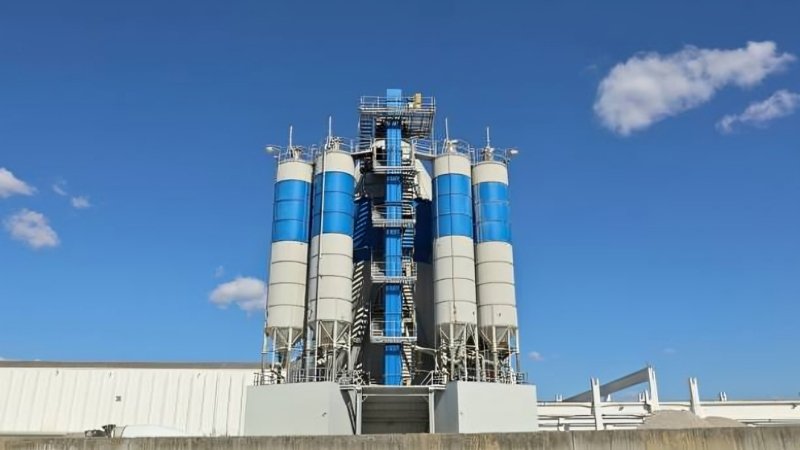
A concrete batch plant is a complex system where optimizing production is key to profitability in the construction industry. Improving output is not just about speed but creating a reliable workflow that reduces waste and maximizes uptime.
Understanding Key Performance Indicators (KPIs)
You cannot improve what you do not measure. To truly optimize your plant, you need a clear picture of current performance. Tracking Key Performance Indicators (KPIs) allows plant managers to identify bottlenecks and make data-driven decisions rather than relying on gut feeling.
Cycle Time
This is perhaps the most critical metric for output. Cycle time measures the total duration it takes to produce a single batch of concrete, from the moment the first material is weighed to the moment the discharge is complete, and the mixer is ready for the next load.
If your target is 20 loads per hour, but your average cycle time allows for only 15, you have a capacity problem. Analyzing cycle time allows you to see which stage—weighing, mixing, or discharging—is slowing you down. Even shaving five seconds off a cycle can add up to extra loads by the end of a shift.
Material Usage Variance
Are you using more cement than the mix design calls for? Material variance compares the theoretical amount of material required for a batch against the actual amount used. High variance indicates a problem with scale accuracy or gate closures. Since cement is the most expensive ingredient, over-weighing by even 1% eats directly into your profit margins.
Downtime
Downtime kills productivity. However, you must distinguish between scheduled maintenance and unscheduled breakdowns. Unscheduled downtime disrupts delivery logistics and damages customer trust. Tracking the frequency and cause of these stops helps pinpoint chronic equipment issues that need permanent solutions.
Equipment Maintenance and Optimization
A batch plant is a harsh environment. Dust, moisture, and vibration are constant, and they take a toll on machinery. Reactive maintenance—fixing things only when they break—guarantees inconsistent output. A proactive maintenance schedule is essential for optimization.
Calibration is Key
Scales drift over time. Regular calibration ensures that you are not giving away product or, conversely, producing weak concrete that fails quality tests. Weigh hoppers should be checked for buildup (often called “dead weight”), which can throw off sensor readings.
The Role of Pneumatics
Many batch plants rely on air systems to open and close gates efficiently. If your gates are sluggish, your cycle time increases. Regular inspection of your air compressor and pneumatic solenoid valves ensures that the gates snap open and shut instantly. A leaking valve or a clogged filter can cause gates to drift or close slowly, leading to material overages and slower batching.
Mixer Maintenance
The mixer is the bottleneck of the batching process. If the blades or liners are worn, mixing efficiency drops, requiring longer mix times to achieve homogeneity. Inspecting liners and adjusting blade clearance ensures the mixer does its job within the standard timeframe, keeping the cycle moving.
Raw Material Management
The quality of your output is only as good as the inputs. Poor management of aggregates and cement leads to quality control issues that halt production.
Aggregate Storage and Moisture Control
Wet aggregates are the most common cause of inconsistent concrete. If your sand is soaking wet one day and dry the next, and your batcher isn’t adjusting for it, the water-cement ratio will fluctuate wildy.
Best practices involve storing aggregates on sloped, paved surfaces to allow drainage. Covering stockpiles helps maintain consistent moisture levels. Implementing moisture probes in your aggregate bins can automatically adjust the water added to the mix, ensuring every batch meets the slump requirements without manual intervention.
Inventory Management
Running out of material stops the plant dead. Modern inventory management goes beyond visual checks. Automated systems can track silo levels in real-time, triggering orders automatically when levels dip below a certain threshold. This “just-in-time” approach ensures you never halt production due to a lack of cement or fly ash, while also preventing the capital tie-up of overstocking.
Process Automation
Manual batching relies heavily on the skill and focus of the operator. While a skilled operator is valuable, human error is inevitable. Fatigue or distraction can lead to slow reaction times or incorrect weighing.
Automating the Workflow
Process automation software takes the guesswork out of batching. It controls the gates, monitors the scales, and adjusts for “free fall” material (material in the air after the gate closes) with precision that a human hand cannot match.
Automation also smooths out the transition between batching stages. For example, the system can begin weighing the next batch while the current batch is mixing, overlapping processes to reduce dead time.
Error Reduction
Automated systems provide a safety net. They can prevent a batch from starting if the truck isn’t positioned correctly or if a scale hasn’t returned to zero. This reduces the likelihood of “bad batches” that have to be dumped, saving both material costs and disposal fees.
Training and Skill Development
Even the most advanced, automated plant needs a competent human at the helm. Technology facilitates optimization, but people drive it.
Beyond Button Pushing
Operators should be trained not just on which buttons to push, but on how the plant functions. When an operator understands the mechanics of the plant, they can identify the sound of a failing bearing or notice a sluggish gate before it becomes a critical failure.
Continuous Improvement
Encourage a culture where staff can suggest improvements. The yard loader operator might notice that the stockpile layout causes unnecessary travel time. The truck drivers might have ideas on how to speed up the washout process. Your team is on the front lines; their insights are often the most practical source of optimization strategies.
Conclusion
Optimizing a concrete batch plant is not a one-time project; it is an ongoing commitment to efficiency. It requires a holistic approach that combines rigorous data analysis, proactive equipment care, smart material handling, and the strategic use of automation.
