
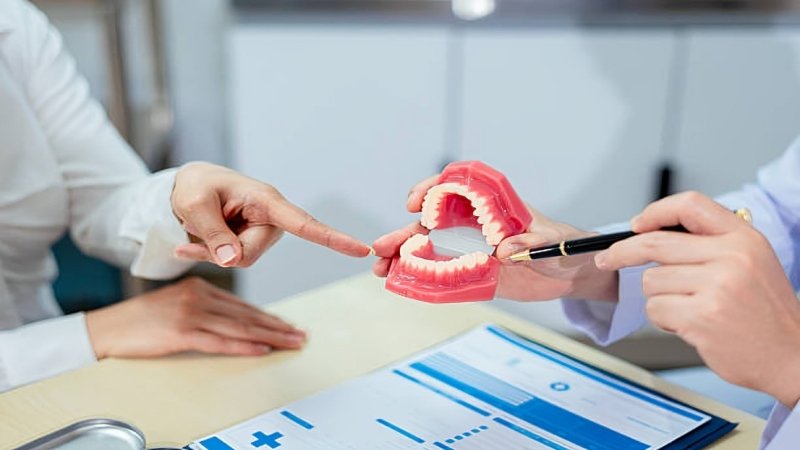
Executive presence remains one of the most valued yet poorly defined qualities in business leadership. While confidence, communication skills, and strategic thinking certainly matter, the often-overlooked foundation of executive presence is the comfort leaders feel in their own presence. Modern restorative dentistry has emerged as an unexpected catalyst for leadership development.
The Unspoken Leadership Barrier
Many talented professionals plateau in their careers not from lack of skill or ambition, but from subtle self-consciousness that undermines their authority in high-stakes situations. Leaders who feel insecure about their appearance often compensate by becoming overly formal, avoiding spontaneous interactions, or declining opportunities for media visibility and public speaking.
This hesitation creates tangible career costs. Board members notice when executives seem uncomfortable or reserved. Clients perceive uncertainty in leaders who don’t project natural confidence. Over time, these small perceptual disadvantages accumulate into significant obstacles preventing otherwise capable individuals from reaching their full potential.
The Psychology of Transformed Confidence
Something remarkable happens when professionals address long-standing oral health concerns. The psychological shift extends far beyond aesthetic improvements. Individuals report feeling liberated from years of compensatory behaviors developed to hide dental issues. They smile more freely, speak with greater authority, and engage in spontaneous conversations without the background anxiety that previously constrained their interactions.
This transformation particularly impacts leadership effectiveness. Executive presence fundamentally requires authenticity and comfort with visibility. When leaders no longer mentally manage appearance concerns, they can focus entirely on the substance of their communication and the needs of their audience. This genuine engagement dramatically enhances their influence and impact.
Career Trajectory Implications
The connection between oral health restoration and career advancement may seem superficial, yet the evidence is compelling. Professionals who complete major restorative procedures, including dental implants Melbourne specialists perform, often report career breakthroughs within months of their treatment. Suddenly, they volunteer for presentations they previously avoided, accept speaking invitations they would have declined, and pursue promotions requiring greater visibility.
These behavioral changes stem from removing psychological barriers rather than from any objective improvement in professional capabilities. The talent was always present, but self-consciousness prevented its full expression. Restorative dentistry simply unlocks potential that already exists.
Boardroom Dynamics
Board-level interactions demand particular confidence and poise. Directors must project authority, challenge assumptions respectfully, and build consensus among strong personalities. These high-pressure environments magnify any self-consciousness, as every word and gesture holds significant weight.
Executives who have completed restorative dental work often describe newfound comfort in boardroom settings. Without the mental burden of appearance anxiety, they contribute more substantively to discussions, challenge ideas more directly when appropriate, and generally participate with an ease that enhances their reputation and influence.
Media and Public Visibility
Modern leadership increasingly requires public-facing communication. Media interviews, conference presentations, and video communications have become standard executive responsibilities. Leaders who feel self-conscious about their appearance naturally avoid these opportunities, limiting their professional visibility and their organization’s profile.
Restorative dentistry removes these self-imposed limitations. Executives who previously declined media opportunities begin accepting interviews. Leaders who avoided conference speaking circuits start building thought leadership platforms. The resulting visibility benefits both individual careers and organizational brand reputation.
Investment in Leadership Development
Organizations spend substantial resources on leadership development programs, executive coaching, and management training. These investments aim to develop the skills and confidence necessary for senior leadership. However, if psychological barriers related to appearance undermine a leader’s natural presence, even excellent training produces limited results.
Smart companies recognize that supporting comprehensive oral health represents another dimension of leadership development. By ensuring executives have access to necessary restorative procedures, organizations maximize the effectiveness of other leadership investments while demonstrating a holistic commitment to executive growth.
The Authentic Leadership Connection
Contemporary leadership theory emphasizes authenticity as a core element of effective leadership. Authentic leaders bring their whole selves to their roles, building trust through genuine engagement rather than carefully managed personas. However, authenticity requires comfort with visibility and self-presentation. When oral health concerns lead to self-consciousness, authentic leadership becomes challenging. Leaders often default to carefully controlled communication styles that are designed to minimize exposure rather than foster genuine connections. Modern restorative dentistry enables the authentic presence that contemporary leadership demands.
