
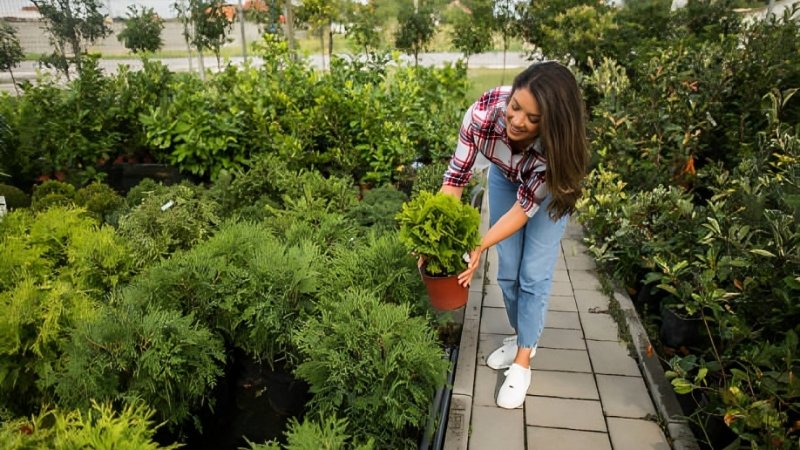
A beautiful yard does not happen by accident. It starts with understanding your space, your goals, and the kind of care you can realistically keep up with through the year. Over time, picking plants that fit your landscape can make a major difference in how balanced, healthy, and enjoyable the entire yard feels from season to season.
Start With the Way Your Yard Actually Lives
Before choosing anything new, spend a little time noticing how your outdoor space behaves. The best plant choices come from working with your yard, not fighting against it.
Pay attention to sunlight first. Some areas may get full sun for most of the day, while others may stay shaded because of fences, trees, rooflines, or nearby structures. A plant that thrives in one corner may struggle badly just a few feet away if the light changes. Morning sun, afternoon heat, and filtered shade all create different growing conditions.
Soil matters too. Some yards hold water after rain, while others dry out quickly. Heavy clay soil, sandy soil, compacted soil, and rich garden soil all affect how roots grow. You do not need to be a soil expert, but knowing whether your yard stays wet, drains fast, or feels hard and packed can help you avoid frustrating plant failures.
Think Beyond the First Bloom
It is easy to fall for flowers at their peak, especially when they are bright, full, and fresh. Still, a great landscape needs more than one pretty moment.
Choose plants with different seasonal strengths. Some may offer spring blooms, others summer color, fall texture, or winter structure. Evergreens can keep beds from looking bare during colder months, while ornamental grasses, shrubs, and small trees can add shape even when flowers are not the main feature.
Also think about what the plant will look like when it is not blooming. Foliage color, leaf shape, height, and overall form can carry a design long after the flowers fade. A plant with strong leaves or an interesting shape can do more for your yard than a short-lived burst of color.
Match Plants to Your Maintenance Style
A plant may be beautiful, but it still needs to fit your life. If you prefer a low-effort yard, it is better to choose sturdy, dependable plants than delicate ones that need constant attention.
Some plants need frequent pruning, deadheading, watering, dividing, or pest checks. Others are more forgiving once established. Be honest about how much time you want to spend outside maintaining beds, borders, containers, and foundation plantings.
Low-maintenance does not mean plain. Many shrubs, perennials, grasses, and groundcovers can create a polished look without demanding every weekend. The key is choosing plants that naturally suit the space and do not need constant correction to look good.
Use Layers to Create a Fuller Look
A flat planting bed can feel unfinished, even when the plants themselves are healthy. Layering helps create depth, movement, and a more professional look.
Start with taller plants in the back or center, depending on whether the bed is against a wall or viewed from multiple sides. Medium-height plants can fill the middle, while lower plants soften the front edge. Groundcovers or spreading plants can help reduce bare soil and make the bed feel connected.
Texture is just as important as height. Pair fine, airy foliage with broader leaves. Mix upright plants with rounded forms. Add soft grasses near structured shrubs. These small contrasts keep a landscape from feeling stiff or repetitive.
Choose Color With a Clear Direction
Color can make a yard feel peaceful, playful, bold, or elegant. The trick is to avoid using every color at once unless that is truly the look you want.
A simple color palette often feels more intentional. You might lean into soft whites, purples, and greens for a calm feel, or warm reds, oranges, and yellows for a brighter look. Repeating the same colors in different areas helps the yard feel connected instead of scattered.
Do not forget green itself. Different shades of green can add depth without making the space feel busy. Blue-green leaves, deep glossy foliage, pale new growth, and variegated leaves can all bring visual interest without relying only on flowers.
Plan for Mature Size, Not Store Size
One of the most common mistakes homeowners make is planting too closely. Young plants can look small at first, but many will spread, rise, and fill out over time.
Always think about the mature height and width before planting. A small shrub placed too close to a walkway, window, or entry can become a problem later. Plants crowded together may compete for light, water, and airflow, which can lead to weak growth or disease.
Spacing may feel a little empty in the beginning, but patience pays off. You can use annuals or mulch to fill gaps while permanent plants grow into place.
Do Not Forget Fall Leaf Cleanup
Fall can be one of the most important times to protect the health and appearance of your yard. Thick layers of leaves can block sunlight, trap moisture, smother turf, and hide problems in planting beds. A light layer can sometimes be mulched back into the lawn, but heavy buildup should be removed before it creates damage. If your yard has several trees or large beds, you may want to explore Classy Grass Lawn Care, Landscape & Snow Removal for seasonal help so the space stays tidy and ready for the months ahead.
Make Room for Pollinators and Wildlife
A landscape can be beautiful and useful at the same time. Choosing plants that support bees, butterflies, birds, and other beneficial wildlife can make your yard feel more alive.
Look for a mix of flowering plants that bloom at different times. Early blooms help pollinators when food is limited, while late-season blooms provide support before colder weather arrives. Seed heads, berries, and sheltering shrubs can also add value beyond appearance.
You do not have to turn your whole yard into a wild garden. Even a few thoughtful choices can make a difference while still keeping the space neat and designed.
Use Containers for Flexibility
Containers are a great way to test colors, add seasonal interest, and brighten patios, porches, steps, or small spaces. They also let you experiment without committing to a permanent planting bed.
Choose containers with enough room for roots and proper drainage. A mix of upright plants, trailing plants, and fuller middle plants can create a finished look. Containers dry out faster than garden beds, so they may need more frequent watering, especially during hot weather.
They are also helpful when you want fresh color near an entrance or outdoor seating area. You can change them with the season and keep the rest of the landscape more stable.
Build a Yard That Feels Natural to You
The best landscape is not always the most elaborate one. It is the one that fits your home, your routine, and the way you want to enjoy your outdoor space.
Start with the areas you see and use most often. Improve the front entry, refresh a tired border, add color near a patio, or replace struggling plants with better-suited options. Small changes can make the whole yard feel more cared for.
When plants are chosen with intention, the landscape becomes easier to maintain and more rewarding to live with. Instead of constantly replacing things that fail, you create a yard that grows into itself, looks good through the seasons, and feels connected to the home around it.

Malik Bilal is the Editor at World Outstanders. With 3+ years of experience in business and technology writing, he creates clear, research-driven content on business, tech, health, and lifestyle topics, always focused on accuracy, trust, and practical value.