
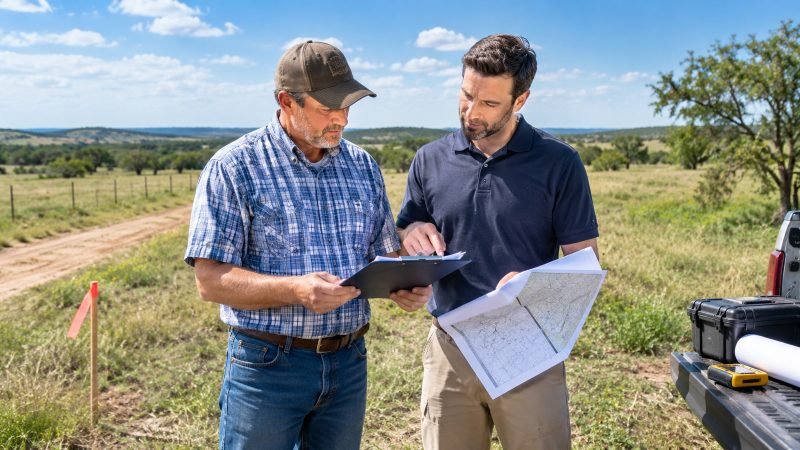
Unused Texas land can seem simple to sell until a buyer asks about title, road access, taxes, utilities, or restrictions. Whether you own an inherited lot in Dallas, a small tract outside Austin, or rural acreage that no longer fits your plans, checking the details early can prevent surprises later. For owners considering a direct sale, We Buy Land Quick is a Texas real estate investment firm that purchases unwanted vacant land and inherited parcels for cash across the state, including communities around Dallas, Houston, Austin, and San Antonio.
Land sales differ from home sales because a parcel’s value often depends on facts that are not obvious from the road. A property may have no structure to inspect, but ownership records, usable access, drainage, development rules, and service availability can all shape its marketability. This checklist can help you decide whether to list the property, sell it yourself, or consider a direct buyer.
Confirm Who Owns the Land
Begin by reviewing the current deed and the county appraisal district record for the property. Look for co-owners, former spouses, trusts, estates, or heirs who may hold an ownership interest, because everyone required to convey title generally needs to sign the sale documents. If a name has changed, an estate remains unsettled, or you can’t locate an heir, resolve that issue before you market the land. A title company or Texas real estate attorney can help clarify any ownership uncertainties. Once your title questions are settled, you can compare your options, including direct buyers like https://www.webuylandquick.com/, to see which approach best fits your timeline.
Review Taxes, Liens, and Special Appraisals
Request the current tax status and find out whether any taxes are delinquent. Unpaid property taxes can create a lien that must be resolved for a clean transfer. Also determine whether the parcel receives agricultural, timberland, or wildlife management appraisal. A use change may raise rollback-tax questions, so review the state’s agricultural appraisal rules and confirm parcel-specific details with the county appraisal district.
Verify Legal Access and Road Frontage
Confirm whether the parcel borders a public road or depends on an easement across neighboring land. Physical access is not always legal access. A dirt path used for years may not be a recorded right of way, and an easement may impose limits on use or maintenance. Ask whether a driveway permit, shared-road agreement, or road-maintenance arrangement applies. Land with limited access can still be saleable, but it may appeal to a narrower group of buyers.
Investigate Utilities, Water, and Septic Options
Find out what services are actually available, not merely nearby. Contact electric providers, water districts, municipalities, or septic authorities to learn whether connection is possible and what it may require. Rural parcels may rely on a well, septic system, propane, private roads, or water storage. Avoid advertising land as buildable unless records support that conclusion. Clear answers can make a buyer’s evaluation much easier.
Check Zoning, Restrictions, and Permitted Uses
City zoning, county rules, subdivision regulations, and private deed restrictions can all affect a parcel differently. Review allowed uses for homes, manufactured housing, storage, agriculture, commercial activity, or recreation. Look for setbacks, minimum lot sizes, livestock limits, and architectural controls. Growth near North Texas, Central Texas, or Houston can increase attention on land, but it does not guarantee a particular price or future use.
Review Flooding, Drainage, and Land Conditions
Study flood maps, local drainage information, and the property itself. Creeks, low areas, erosion, wetlands, dense brush, soil limitations, and roads that become difficult after rain may matter to buyers. A flood-zone designation does not automatically make land unsellable, but it can influence construction plans, insurance needs, and financing. Gather surveys, elevation data, engineering reports, or prior environmental records if they are available.
Set a Realistic Value Range
Use recent closed sales of comparable land as a starting point instead of relying only on active listing prices. Compare acreage, location, frontage, access, terrain, water features, utility availability, restrictions, and likely uses. Price per acre can vary greatly between a city lot, a recreational tract, and property near a growing corridor. The Texas Real Estate Research Center’s rural land market data can provide broader context, but a local analysis remains essential for pricing one specific parcel.
Organize Documents Before You Market
Prepare the materials a serious buyer or title company may request:
- The most recent deed, legal description, and parcel identification number.
- Tax statements, survey, plat, and records of easements or restrictions.
- Information about leases, mineral interests, water rights, or homeowners association obligations.
- Utility correspondence, permits, and notices from a city, county, or appraisal district.
- Relevant probate, trust, divorce, or estate documents.
Compare Your Selling Options
There is no single best method for every Texas landowner. An agent may offer marketing reach and negotiation help, but the process can involve preparation, showings, commissions, and a longer timeline. A for-sale-by-owner approach gives you control, but you handle pricing, advertising, buyer screening, and transaction coordination. A direct buyer may provide an as-is sale with fewer steps, though you should still compare the offer with your property goals and independent market research.
Read Every Offer Carefully
Before signing, review the price, earnest-money deposit, closing date, and named closing agent. Identify any contingencies for inspections, financing, title review, surveys, or a buyer’s ability to assign the contract. Ask who will pay title fees, recording charges, prorated taxes, survey costs, and other closing expenses. Put every important promise in writing instead of relying on a verbal explanation.
Prepare for the Closing Process
A title company typically examines the title history, identifies liens or document issues, and coordinates the deed transfer. Sellers should provide valid identification and any requested estate, trust, or court records. Remote closing may be possible for owners living outside Texas, depending on the closing company’s process. Timing can change when signatures, lien releases, surveys, or ownership corrections are needed.
Common Questions Texas Landowners Ask
Can land be sold without utilities?
Yes. The lack of utilities may affect the likely use and value, but buyers may still be interested in recreational, agricultural, investment, or future-development land.
Can inherited land be sold before probate ends?
It depends on the estate documents, court process, and who has legal authority to act. Consult a Texas probate attorney or title company before accepting an offer.
Is a cash offer always the highest offer?
No. A cash offer may offer speed and fewer conditions, while broader marketing may produce a higher price over time. Consider your timeline, carrying costs, and preference for certainty.
Final Checklist Before Choosing a Buyer
- Confirm ownership and signing authority.
- Check taxes, liens, and special appraisals.
- Verify legal access, utilities, restrictions, and flood conditions.
- Gather records and compare recent comparable sales.
- Review selling methods, contract terms, and closing costs.
Careful preparation helps Texas landowners make informed decisions and reduce avoidable closing delays. A clear title, honest property details, complete records, and a realistic value range can make an unused parcel easier to sell, whether it is in a major metro area or a smaller rural community.

Malik Bilal is the Editor at World Outstanders. With 3+ years of experience in business and technology writing, he creates clear, research-driven content on business, tech, health, and lifestyle topics, always focused on accuracy, trust, and practical value.