
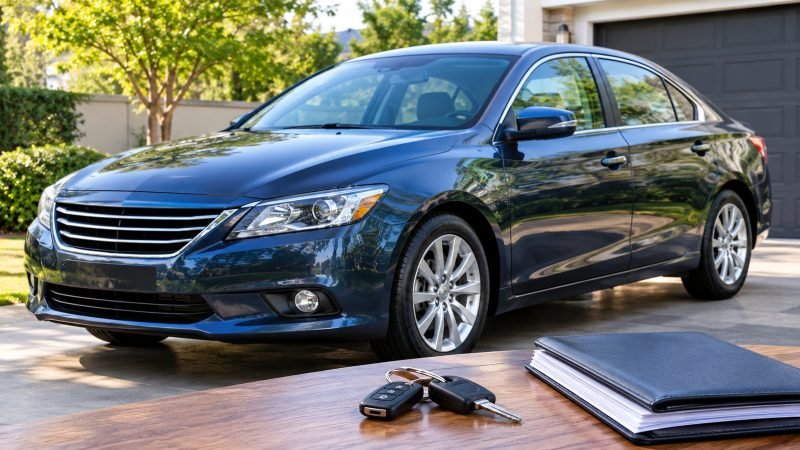
Selling your car should be fairly straightforward, shouldn’t it? You find a buyer, agree on a price, hand over the keys, and walk away with some extra money. Unfortunately, things rarely work quite that smoothly, especially when you’re hoping to get the best possible return. Buyers will notice things you’ve stopped paying attention to, negotiations can become surprisingly uncomfortable, and there’s always that nagging feeling you might have accepted less than your car was worth.
The good news is that a little preparation can make a real difference. You don’t need to become a car sales expert overnight, but a few smart decisions could help you walk away with considerably more money.
1. Find Out What Your Car Is Actually Worth
It’s tempting to choose an asking price based on what you originally paid or how much you’d like to receive. Neither is particularly useful when buyers are comparing your vehicle with dozens of others. Instead, research similar cars currently advertised for sale, paying attention to mileage, age, condition, and specifications. Check estimated market values too, remembering that advertised prices aren’t necessarily what sellers eventually receive. This gives you a realistic starting point and makes negotiations much easier.
2. Consider Buyers Beyond Your Local Area
Your ideal buyer might not live anywhere near you. Certain vehicles attract greater interest in particular regions, and expanding your search could introduce you to people willing to pay a better price. Of course, distance brings practical considerations. If you’re selling to someone in Arizona, for example, exploring Tucson car shipping options could help you understand the cost of transporting the vehicle. That information becomes useful when discussing delivery arrangements and deciding whether a distant offer is genuinely worthwhile.
3. Make the First Impression Count
You know that feeling when you step into a beautifully maintained car and immediately assume its owner has looked after it? That’s exactly the impression you want to create. Give your vehicle a thorough clean, remove personal belongings, and pay attention to areas buyers are likely to inspect. A fresh interior and tidy exterior won’t erase years of wear, but they can make the car feel much more appealing without a major investment.
4. Fix the Little Things That Raise Questions
A faulty light, worn windshield wiper, or warning message on the dashboard can make buyers wonder what else might be wrong. Even relatively minor issues can become bargaining tools. If you want to try to make more money, address these inexpensive problems where practical, but think carefully before paying for major repairs. Spending hundreds of dollars doesn’t guarantee you’ll recover that money through a higher selling price.
5. Have Your Paperwork Ready
Nothing makes a promising sale feel unnecessarily complicated quite like missing documents. Buyers want reassurance that the vehicle has been maintained properly and that ownership can be transferred without problems. Gather your title, service history, maintenance receipts, and any relevant inspection records before advertising. Having everything organized shows you’re a responsible seller and helps buyers feel more confident in their decision.
6. Don’t Let Impatience Cost You Money
Once you’ve decided to sell, it’s natural to want the process finished. However, accepting the first offer simply to get things moving could mean leaving money on the table. Give yourself enough time to compare genuine offers and negotiate reasonably. There’s no need to hold out forever for an unrealistic price, but you shouldn’t feel pressured into accepting less than your research suggests the car is worth.
