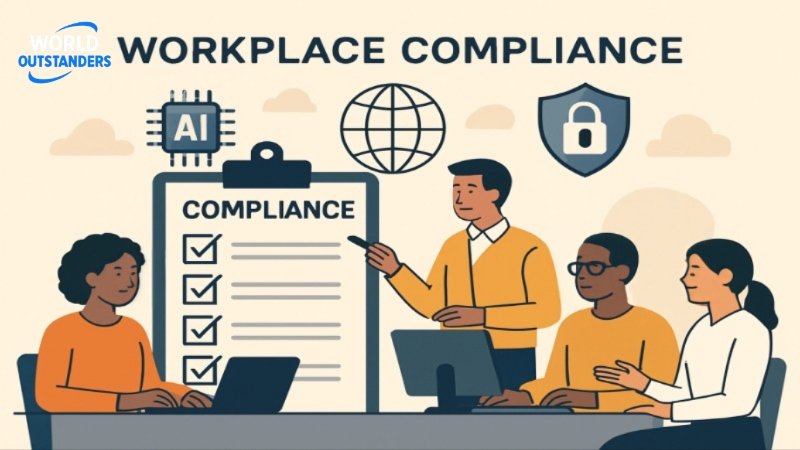
In today’s rapidly evolving regulatory landscape, staying abreast of policy changes is crucial for maintaining workplace compliance. Recent federal and state-level shifts have introduced new challenges and opportunities for employers. Understanding these developments is essential for fostering a compliant and inclusive work environment. Consulting with an employment lawyer can provide valuable insights into navigating these complexities. Freeman Lovell, a law firm specializing in employment strategy and compliance, offers real-world solutions for employers of all sizes, assisting clients across the United States with a range of labor, human resources, and related compliance matters.
Key Takeaways
- Recent federal policy shifts are significantly impacting workplace compliance requirements.
- Employers must adapt to changes in diversity, equity, and inclusion (DEI) initiatives.
- Advancements in technology, particularly artificial intelligence (AI), are introducing new compliance challenges.
- State-level regulations are evolving, necessitating proactive compliance strategies.
Federal Policy Shifts and Their Impact
Recent federal actions have significantly influenced workplace compliance. For instance, an executive order signed on the first day of President Trump’s term ended federal DEI programs, labeling them as “illegal and immoral” and leading to their immediate shutdown. This move has prompted private sector employers to reassess their DEI initiatives to ensure alignment with the new federal stance.
In addition to these changes, federal agencies such as the Equal Employment Opportunity Commission (EEOC) and the Department of Labor (DOL) have increasingly focused on enforcing anti-discrimination laws and protecting workers’ rights. These agencies have issued updated guidelines for wage transparency, pay equity, and the use of artificial intelligence in hiring processes. As regulatory bodies expand their oversight, employers are expected to review and update their policies regularly to ensure compliance with all new federal mandates.
Another growing area is workplace safety regulation, notably influenced by health crises such as the COVID-19 pandemic. Federal agencies now expect companies to have comprehensive protocols for infectious disease prevention, requiring ongoing updates in workplace health policies, remote work accommodations, and reporting requirements. Employers who fail to meet these standards risk facing substantial penalties, legal action, and reputational harm.
State-Level Compliance Changes
State governments are also enacting policies that affect workplace compliance. For example, California and New York have enacted laws limiting mandatory workplace meetings and strengthening protections against misclassification, reflecting a broader push toward fair labor practices. Employers must stay informed about such state-specific regulations to maintain compliance.
The regulatory landscape at the state level is becoming increasingly complex as more states adopt their own versions of paid family leave, minimum wage increases, and workplace harassment prevention rules. Colorado, for instance, has implemented new pay transparency requirements, making it mandatory for employers to disclose salary ranges in job postings and provide justifications for pay differentials. Failure to comply with these nuanced requirements can lead to investigations and fines, making it imperative for HR departments to monitor legislative updates and adapt policies accordingly.
Using tools like a safety audit checklist can also help organizations systematically review compliance practices and identify potential gaps before they become costly issues.
Technological Advancements and Compliance
The integration of AI in hiring and employee monitoring has introduced new compliance challenges. A 2025 study by MIT found that 80% of companies monitor remote or hybrid workers, raising concerns about employee consent and data handling. Employers must ensure that their use of AI aligns with evolving legal and ethical standards.
Today’s advanced workplace technologies, from automated resume screening tools to sophisticated productivity tracking software, require companies to weigh efficiency gains against legal risks. For example, potential biases in AI-driven hiring algorithms could lead to unintentional discrimination, prompting lawsuits and regulatory scrutiny. Employers must conduct regular bias audits and provide training for hiring managers to ensure AI tools are used responsibly.
Additionally, emerging technologies can increase vulnerabilities to cybersecurity threats and data breaches. To proactively address these risks, companies are investing in secure IT infrastructure, employee cybersecurity training, and robust incident response plans. Regular compliance assessments are warranted to ensure alignment with state and federal privacy regulations, such as the California Consumer Privacy Act (CCPA) or the General Data Protection Regulation (GDPR) for global enterprises.
Data Privacy and Employee Monitoring
With the rise of remote work, employee surveillance has increased. A 2025 study by Gartner estimates that 71% of employees are now digitally monitored, a 30% increase from the previous year. This trend requires companies to implement transparent policies on data collection and use to maintain trust and compliance.
Transparency with employees regarding the type of data collected, the rationale for monitoring, and the storage and access protocols is increasingly important. Workers are becoming more aware of their privacy rights, and companies can strengthen trust by openly discussing monitoring practices, incorporating employee feedback, and providing robust data protection.
States such as Illinois have enacted biometric data privacy laws that require explicit employee consent before collecting sensitive information, such as fingerprints or facial recognition data. Employers who fail to follow these protocols risk litigation and penalties for violating employee privacy rights.
Proactive Compliance Strategies
To navigate these changes, employers should adopt proactive compliance strategies. This includes regularly updating workplace policies, investing in compliance training, and leveraging technology to monitor and enforce compliance. Such measures can help mitigate risks and foster a culture of compliance within the organization.
Key proactive measures include conducting frequent internal audits, consulting legal experts regarding emerging laws, and maintaining open communication with staff about upcoming regulatory shifts. Incorporating employee training modules that address real-world scenarios, such as handling discrimination complaints or responding to a suspected data breach, equips teams with the knowledge and tools to act quickly and in compliance.
Some organizations have found success by forming cross-functional compliance teams that bring together leadership from HR, Legal, IT, and Operations. This collaborative approach ensures that compliance efforts are widespread, efficient, and integrated into daily business operations. Additionally, investing in compliance management software can streamline document tracking, policy dissemination, and incident reporting, all of which are vital for defending against potential claims.
Conclusion
As workplace policies continue to evolve, staying informed and proactive is essential for compliance. Employers who adapt to these changes can create a more inclusive, fair, and legally compliant work environment, ultimately benefiting both employees and the organization as a whole.
Ongoing education, periodic policy reviews, and an openness to embrace change are hallmarks of organizations that successfully manage compliance risk. As the landscape of federal, state, and technological regulations continues to shift, those who anticipate and adapt will foster workplaces that not only meet legal obligations but also promote trust, equity, and long-term business resilience.

Malik Bilal is the Editor at World Outstanders. With 3+ years of experience in business and technology writing, he creates clear, research-driven content on business, tech, health, and lifestyle topics, always focused on accuracy, trust, and practical value.