
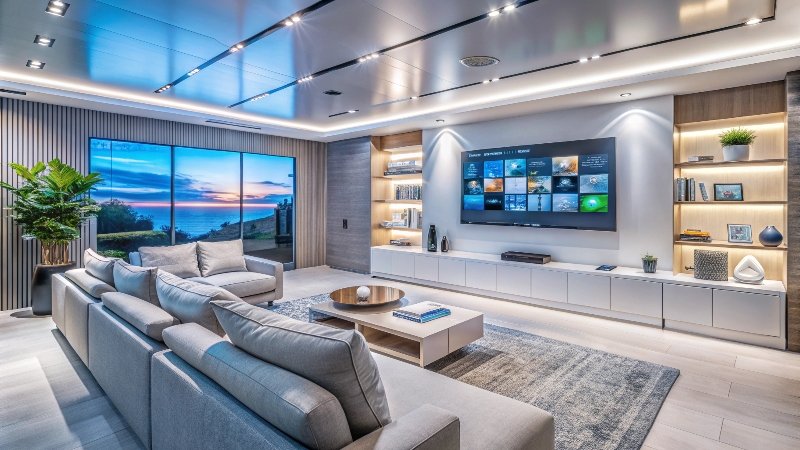
The places where we live, work, gather, relax, and communicate are becoming much more responsive to our needs. Instead of relying on separate switches, remotes, screens, speakers, security tools, and climate settings, people are beginning to expect spaces that feel connected from the moment they walk in. A room can adjust its lighting for the time of day, lower shades to soften glare, start music before guests arrive, or prepare a screen for a meeting without turning the process into a technical chore. This shift is not only about having impressive gadgets. It is about creating environments that feel calmer, easier to control, and better suited to real life, according to liaison technology group, especially when several systems work together instead of competing for attention.
Convenience is only the beginning
Smart spaces are often promoted as convenient, but convenience is just the most obvious benefit. The deeper value comes from removing friction from everyday routines. A person should not need five apps to enjoy a movie, change the lighting, adjust the temperature, and close the shades. A team should not lose ten minutes at the start of a presentation because the display, microphone, or speakers are not working properly. When technology is designed around the user, it fades into the background and allows people to focus on what they are actually doing.
That kind of simplicity matters because modern spaces have to serve many purposes. A living room might be used for work in the morning, family time in the afternoon, and entertainment at night. A shared workspace might need to support meetings, training sessions, video calls, and casual collaboration. A venue might need background music during quiet hours and stronger audio for events. Smart design makes these transitions smoother by giving people control over the mood, function, and performance of a space without making the experience feel complicated.
Sound and visuals shape the mood of a room
Audio and video systems have a powerful effect on how people feel in a space, even when they do not consciously notice them. Poor sound can make a room feel stressful, distracting, or unprofessional. A screen that is hard to see can make a presentation feel weak, even when the message is strong. On the other hand, clear audio, balanced visuals, and intuitive controls can make a room feel polished, comfortable, and easy to use.
This applies at home and in professional environments. In a home, strong audio and visual design can turn a simple evening into a more immersive experience. Music can move naturally through different rooms. A movie can feel more cinematic. A gathering can feel warmer because the lighting and sound support the atmosphere. In business or public settings, audio and video influence communication, attention, and trust. People need to hear clearly, see clearly, and interact with technology without confusion. When those pieces work well, the space itself becomes more effective.
Integration is where smart design becomes powerful
The real power of a smart space comes from integration, because separate systems become far more useful when they work as one. Lighting, shading, sound, video, access control, security, and climate tools can all serve a purpose on their own, but the experience becomes much stronger when they are planned together. A single setting might prepare a room for a quiet morning, a productive work session, a dinner with friends, or a full entertainment experience. In shared environments, one preset could prepare a room for a presentation, live event, class, or meeting. This is where thoughtful planning becomes essential, because the right design keeps technology from feeling scattered or overwhelming, and resources like http://www.proaudioservices.com can help frame how professional audio-video planning supports spaces built around real use, not just equipment.
A connected system should make people feel more in control, not less. The goal is not to fill a room with complicated tools. The goal is to make the room easier to use. When someone presses one button, and the lighting, sound, shades, display, and temperature all shift together, the space feels intentional. It feels prepared. It feels like it understands what the user needs in that moment. That is the difference between a collection of devices and a well-designed smart environment.
Better technology can create better routines
A smart space can quietly improve daily routines because it handles small adjustments that people would otherwise repeat over and over. Morning lighting can gradually brighten a room. Shades can lower during bright hours to reduce heat and glare. Music can start in one area and continue in another. Security systems can be checked from a single control point. Climate settings can shift based on time, activity, or occupancy.
These small improvements may not seem dramatic at first, but they can change the feel of everyday life. People often do not realize how many minor interruptions they deal with until those interruptions disappear. A room that is always too bright at the wrong time, a speaker system that is hard to control, a meeting setup that constantly needs troubleshooting, or a collection of remotes that no one understands can all create unnecessary frustration. Smart design removes those pain points and replaces them with smoother habits.
In homes, this can make evenings feel more relaxing and mornings feel more organized. In workplaces, it can help teams move faster and communicate better. In hospitality or public-facing spaces, it can create a more consistent experience for guests. The technology itself may be hidden, but the result is noticeable.
Smart spaces can also feel more human
It might sound strange to say that technology can make a space feel more human, but that is exactly what happens when systems are designed around comfort and behavior. A room should support people, not force people to adapt to the room. Good smart design considers how people move, gather, listen, watch, rest, and focus.
For example, lighting is not just about brightness. It affects mood, energy, and comfort. Audio is not just about volume. It affects clarity, atmosphere, and emotional tone. Video is not just about screen size. It affects attention, communication, and engagement. Shading is not just about privacy. It affects glare, heat, and the way a room feels throughout the day. When these details are planned together, the result is not colder or more mechanical. It is more personal.
That is why smart spaces are moving beyond novelty. People are not only interested in technology because it feels futuristic. They want technology that supports the way they already live and work. They want systems that are easy to understand, reliable under pressure, and flexible enough to grow with their needs.
The best systems are simple on the surface
One of the biggest mistakes in smart design is assuming that more features automatically create a better experience. In reality, a system can be powerful behind the scenes while still feeling simple to the user. That simplicity should be intentional.
The most common actions should be easy to find. Presets should be named in plain language. Controls should feel natural. Guests, family members, employees, or team members should not need a long explanation before using the room. A beautifully designed system loses value if only one person knows how to operate it.
This is especially important in spaces that serve many different people. In a home, every family member may have a different level of comfort with technology. In a business, employees may need to use the same room for different purposes. In a shared venue, staff members may need to adjust settings quickly without disrupting the experience. The best smart spaces make these interactions feel effortless.
The future is flexible, connected, and personal
The future of smart spaces will not be defined by how many devices can be added to a room. It will be defined by how well those devices support real life. People want spaces that can shift with their routines, respond to their needs, and create better experiences without unnecessary complexity.
That future is already taking shape. Homes are becoming more comfortable, efficient, and entertaining. Workplaces are becoming more connected and presentation-ready. Shared spaces are becoming easier to manage and more enjoyable to use. Audio, video, lighting, shading, climate, and security are no longer separate conversations. They are part of one larger question: how should this space feel, function, and support the people inside it?
Smart spaces are changing the way we live and work because they make environments more adaptable. They help rooms do more with less effort. They make technology feel less like a barrier and more like a quiet partner in the background. When everything works together, a space becomes easier to enjoy, easier to manage, and easier to trust. That is the real promise of smart design. It is not about showing off technology. It is about creating places that feel better to live in, work in, and share.

Malik Bilal is the Editor at World Outstanders. With 3+ years of experience in business and technology writing, he creates clear, research-driven content on business, tech, health, and lifestyle topics, always focused on accuracy, trust, and practical value.