
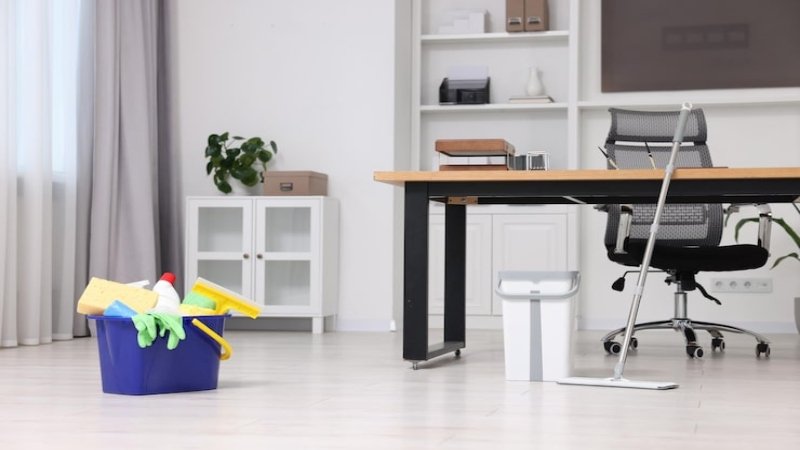
Whether the space is a busy office, a quiet family home, or a shared building used by different people throughout the day, cleanliness shapes how people feel the moment they walk in. A polished entrance, fresh-smelling rooms, tidy surfaces, and well-kept floors all send a message before anyone says a word. For businesses, janitorial support for office buildings helps protect that professional image while keeping employees more comfortable. For homeowners, dependable residential cleaning brings a different kind of relief, giving people back time, energy, and a home that feels easier to enjoy.
Clean Spaces Are More Than Just Nice to Have
A clean environment does more than look good. It changes the way people experience a space.
In an office, cleanliness can influence focus, productivity, morale, and trust. Employees spend hours inside the same rooms, touching the same doors, sitting at shared desks, using the same break areas, and walking through the same hallways. When those areas are cared for consistently, the entire workplace feels more organized and respectful.
At home, the emotional impact can be even more personal. A clean kitchen makes the evening feel calmer. A fresh bathroom makes the morning feel easier. A living room without clutter gives people room to breathe after a long day. The setting is different from a workplace, but the result is similar. Clean spaces help people feel more in control.
The First Impression Always Matters
People make fast judgments based on what they see, smell, and feel when they enter a space.
For an office, the front door, lobby, reception area, conference room, and restrooms all play a role in how visitors view the business. A dusty counter or overflowing trash bin may seem small, but it can create doubt. A clean and orderly workplace tells clients, vendors, and team members that the business pays attention.
In a home, first impressions matter in a different way. Guests notice whether the entryway feels welcoming, whether surfaces look cared for, and whether the space feels comfortable. More importantly, the people who live there feel it every day. A home does not need to be perfect, but it should feel manageable and lived in with care.
Workplaces Need Structure and Consistency
Offices usually need a cleaning routine built around traffic, schedules, shared areas, and daily operations.
A professional workspace may need trash removal, restroom upkeep, surface cleaning, floor care, dusting, glass cleaning, break room maintenance, and attention to high-touch areas. Many businesses rely on a professional janitorial service to handle these tasks efficiently and maintain a clean, organized environment. Some buildings need service after hours, while others need daytime support to keep heavily used spaces presentable.
Consistency is what makes the biggest difference. When cleaning happens on a dependable schedule, small problems do not turn into bigger ones. Dust does not build up until it becomes obvious. Restrooms do not run low on supplies. Floors stay safer and more presentable. Employees are not left wondering whether common areas will be usable.
A clean office also supports the way people work. Fewer distractions, fewer unpleasant surprises, and fewer shared-space frustrations can help the day run more smoothly.
Homes Need Care That Fits Real Life
Residential cleaning has its own rhythm because homes are personal spaces, not public ones.
Families, couples, roommates, and individuals all use their homes differently. Some people need help keeping up with bathrooms and floors. Others want regular support with kitchens, dusting, bedrooms, and general tidying. Busy households may need recurring cleaning because life moves fast and chores pile up quickly.
This is where residential cleaning becomes more than a task list. It supports real life. It gives people more time with their family, more rest after work, and less stress when guests come over. A cleaned home can make the week feel lighter.
Services connected to residential care, represented by www.bluebird-cleaning.com/, show how home cleaning is often about comfort, trust, and relief rather than just appearance. The goal is not to make a home feel staged or stiff. The goal is to help it feel fresh, peaceful, and easier to live in.
Cleaners Deserve More Credit Than They Get
Cleaning work is often invisible when it is done well, but very noticeable when it is missed.
Good cleaners are detail-oriented. They know where dust collects, which areas get touched the most, and which corners are easy to overlook. They understand that a restroom, kitchen, hallway, or entryway can affect how someone feels about the entire space.
In offices, cleaners help protect a company’s image and support the people working there. In homes, they help create comfort and reduce the mental load of constant chores. Both settings require trust, consistency, and care.
The best cleaners are not simply moving through a checklist. They are reading the room, noticing what needs attention, and creating a better environment for the people who use that space every day.
Healthier Habits Start with Cleaner Surfaces
Clean spaces also play an important role in health and comfort.
In offices, shared touchpoints can collect germs quickly. Door handles, light switches, elevator buttons, keyboards, phones, counters, and conference tables are used again and again. Regular cleaning helps reduce buildup and makes shared spaces feel safer.
In homes, kitchens and bathrooms need steady attention because they are used so often. Counters, sinks, faucets, toilets, showers, floors, and appliances can quickly collect grime if cleaning falls behind. A cleaner home can feel fresher, smell better, and support better daily routines.
Clean air matters too. Dust on floors, furniture, vents, and shelves can make a space feel heavy or stale. Regular vacuuming, dusting, and surface care can make both homes and offices feel lighter and more comfortable.
Details Create the Feeling of Care
The details are what separate a space that was quickly cleaned from one that truly feels maintained.
In an office, that may mean streak-free glass, polished fixtures, clean baseboards, stocked restrooms, fresh trash liners, and tidy break rooms. In a home, it may mean wiped counters, dust-free surfaces, clean floors, neat bedrooms, and bathrooms that feel fresh.
People may not always notice every detail directly, but they feel the overall result. A cared-for space has a different energy. It feels ready. It feels calmer. It feels easier to use.
That feeling matters because both homes and workplaces are part of people’s daily lives. They are not just rooms with furniture. They are places where people make decisions, solve problems, rest, talk, eat, meet, and move through their routines.
A Cleaner Environment Supports a Better Mindset
The state of a space can affect the state of mind of the people inside it.
A messy office can make the workday feel more chaotic. A neglected break room can make employees feel less valued. A dirty restroom can quickly change how visitors view an entire business. These things may seem small, but they build an impression over time.
At home, clutter and dirt can create a quiet kind of stress. People may feel like they are always behind, even when they are doing their best. Professional cleaning can help reset the space and make daily responsibilities feel less overwhelming.
Cleanliness will not solve every challenge, but it does create a stronger foundation. People tend to feel better in spaces that are orderly, fresh, and cared for.
Clean Spaces Make Everyday Life Easier
A clean office helps a business look more professional, function more smoothly, and support the people who work there. A clean home helps people relax, recharge, and enjoy their space without constantly feeling pulled toward chores.
The real connection between office cleaning and residential cleaning is care. Both are about making spaces healthier, more comfortable, and more reliable. Both require consistency. Both help people feel better in the places where they spend their time.
Whether the goal is a more polished workplace or a more peaceful home, the value of cleaning is easy to understand once you feel the difference. Clean spaces do not just look better. They help better days happen.

Malik Bilal is the Editor at World Outstanders. With 3+ years of experience in business and technology writing, he creates clear, research-driven content on business, tech, health, and lifestyle topics, always focused on accuracy, trust, and practical value.