
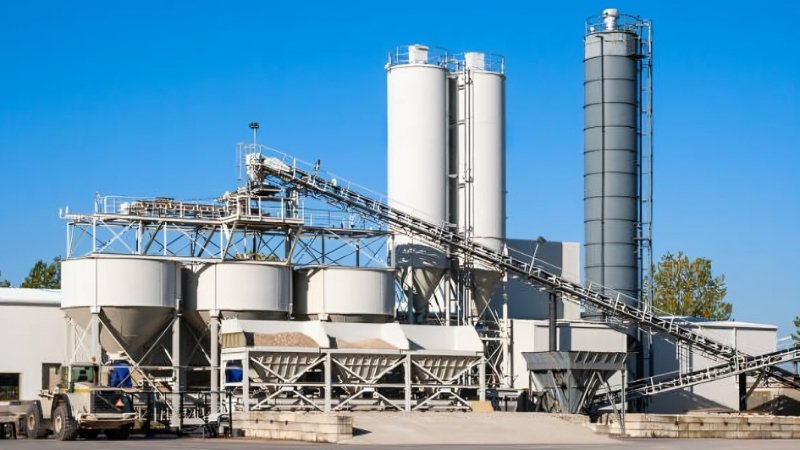
Concrete batch plants are vital for construction, but often face wear and mechanical failure in tough conditions. Downtime is costly, so operators need fast troubleshooting. This guide highlights five common issues, starting with inaccurate aggregate weighing, and offers practical solutions to maintain productivity and quality.
Problem 1: Inaccurate Aggregate Weighing
One of the most frequent quality control issues in concrete production is inconsistent or inaccurate weighing of aggregates. Since aggregates make up the bulk of the concrete mix (often 60% to 75% of the total volume), precision here is vital for structural integrity and meeting project specifications.
Causes
Material Buildup: Wet sand or sticky gravel can accumulate on the scale belts or in the weigh hoppers. This “dead load” tricks the sensors into registering weight that isn’t actually part of the new batch.
Load Cell Drift: Over time, the load cells—the sensors that actually measure weight—can lose calibration due to vibration, impact, or electrical interference.
Mechanical Interference: If a weigh hopper is touching a rigid part of the structure (like a support beam or a safety guard), the load cells won’t register the full weight of the material.
Solutions
To fix inaccurate weighing, start with a rigorous cleaning schedule. Ensure that weigh belts and hoppers are scraped clean at the end of every shift to prevent buildup.
Next, perform regular zero-calibration checks. Most modern batch controllers have a “zero” function that should be run daily to account for minor fluctuations. For deeper mechanical issues, inspect the hopper assembly to ensure it is “free-floating” on the load cells and not binding against the frame.
Finally, schedule professional calibration for your load cells at least twice a year to ensure they remain within tolerance.
Problem 2: Cement Silo Blockages
Cement flow problems are frequently encountered and have the potential to completely halt production. When cement powder refuses to flow out of the silo—a phenomenon often called “bridging” or “rat-holing”—the batching process stops because the mix design cannot be met.
Causes
Moisture Ingress: Cement is hygroscopic, meaning it absorbs moisture from the air. If there is a leak in the silo roof or if the aeration air is humid, the cement can harden into clumps that block the discharge outlet.
Insufficient Aeration: Silos typically use aeration pads or nozzles near the discharge cone to fluff the cement and make it flow like a liquid. If these pads are clogged or the air pressure is too low, the material will pack tightly.
Idle Time: Leaving cement in a silo for extended periods without movement allows it to settle and compact, making it difficult to discharge.
Solutions
Prevention is the best cure here. Ensure that the air supply to your aeration pads is clean and dry; installing moisture traps or air dryers in the pneumatic lines is a smart investment. Check the silo structure regularly for rust holes or loose hatches that could let rainwater in.
If a blockage occurs, avoid the temptation to bang on the side of the cone with a sledgehammer. This damages the metal and can actually make flow problems worse by creating dents where material hangs up. Instead, utilize the silo’s vibrators or air cannons. If the problem persists, you may need to empty the silo and replace the aeration pads, as they can become blinded by oil or dust over time.
Problem 3: Water Metering Issues
Water is the most critical ingredient for determining the strength and workability of concrete. Too little water makes the mix unworkable; too much water weakens the concrete and can lead to cracking.
Causes
Pump Failure: Worn impellers or leaking seals in the water pump can reduce flow rates, leading to under-dosing.
Valve Leaks: If the butterfly valves or discharge valves are not sealing tightly, water may dribble into the mixer after the weighing cycle is complete, ruining the water-cement ratio.
Dirty Sensors: In plants using flow meters, sediment or algae buildup in the water lines can coat the sensors, leading to erratic readings.
Solutions
Regularly inspect all water seals and valves. A simple visual check for drips can identify a leaking valve before it affects a batch. For pulse meters and flow meters, install strainers or filters in the water line upstream of the meter to catch debris.
It is also crucial to calibrate your water dosing system regularly. A simple bucket test—weighing a specific volume of water dispensed by the system—can verify if the digital reading matches the physical reality.
Problem 4: Dust Collection System Failure
Dust control is not just about keeping the neighbors happy; it is a regulatory requirement and a health necessity for workers. A failing dust collector can lead to EPA fines and unsafe working conditions.
Causes
Clogged Filter Bags: The most common issue is simply that the filter bags or cartridges are blocked by dust and cannot pass air. This creates high differential pressure and reduces suction.
Solenoid Valve Failure: Pulse-jet dust collectors use blasts of compressed air to clean the bags. If the solenoid valves controlling these blasts fail, the bags never get cleaned.
Blower Issues: A worn belt or a failing motor on the exhaust fan will reduce the airflow required to capture dust effectively.
Solutions
Monitor the differential pressure gauge (Magnahelic gauge) on your collector daily. A sudden spike indicates clogged filters, while a sudden drop might indicate a torn filter bag.
Routine maintenance for cement silo dust collection systems involves checking the timer board that controls the cleaning pulses. Listen to the collector; you should hear a rhythmic “pop-pop-pop” of the air valves firing. If you notice silence or an irregular rhythm, please replace the faulty solenoid or diaphragm valves promptly.
Problem 5: Mixer Malfunctions
The mixer is the heart of the batch plant. Whether you use a tilt drum, a twin-shaft, or a pan mixer, mechanical failure here stops everything.
Causes
Liner and Blade Wear: The abrasive nature of aggregates eats away at the steel liners and mixing blades. As the gap between the blade and the floor increases, mixing efficiency drops, and material build-up increases.
Drive Train Issues: Gearboxes and motors endure immense torque. Low oil levels, worn bearings, or misaligned belts can lead to catastrophic drive failure.
Discharge Door Problems: Hydraulic leaks or mechanical jams can prevent the mixer gate from opening or closing fully.
Solutions
Implement a strict measurement schedule for wear parts. Don’t wait for a liner to wear through to the mixer shell before replacing it. Adjust mixing blades regularly to maintain the manufacturer’s recommended clearance (usually tight enough to prevent buildup but loose enough to avoid dragging).
Lubrication is key for the drive train. Check gearbox oil levels weekly and grease all bearings according to the manufacturer’s schedule. Ignoring a $5 tube of grease can lead to a $5,000 bearing failure.
Conclusion
While troubleshooting is necessary, reactive maintenance—fixing things only when they break—is the most expensive way to run a concrete plant. A disciplined preventative maintenance schedule involving weekly inspections, cleaning, lubrication, and a stock of critical spare parts is superior.
