
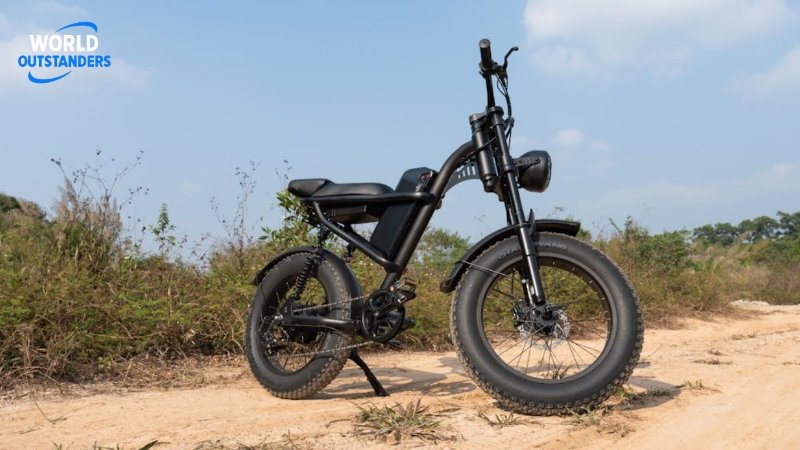
Rough singletrack. Loose gravel descents. A snow-dusted trail you probably shouldn’t be on yet can’t resist. These are the moments that reveal whether your bike was genuinely built for the backcountry or just cosplaying as one.
If you’re serious about trail riding, understanding how an off road ebike handles demanding conditions isn’t optional. It’s the difference between a confident ride and a very humbling walk home.
Here’s something worth sitting with: a 2025 consumer research overview found that 96.4% of riders say they enjoy e-bikes more than conventional bikes, and 75% would rather ride than drive. That’s not a coincidence. That’s the result of purposeful engineering meeting real terrain.
Finding the best ebike for off road performance starts with knowing what separates a genuine trail machine from a commuter that happens to have chunky tires.
The Engineering That Actually Makes an Electric Mountain Bike Trail-Ready
Think of your e-MTB as a system frame geometry, motor torque, suspension travel, battery placement all working in concert. That’s exactly what defines the best ebike for off road. Pull any one of those threads, and the whole thing unravels on hard terrain.
Frame Geometry and Motor Configuration
A trail-focused geometry starts with a slacker head tube angle, typically in the 64–67° range, paired with a longer wheelbase. What does that mean in practice? Greater stability at speed on descents, and sharper line-picking ability through technical sections.
Steeper seat tube angles around 76–78° shift your weight forward on climbs, keeping your front wheel from floating off the ground when you need traction most.
Motor choice matters more than most buyers realize. Mid-drive systems work through the bike’s existing drivetrain, which gives them a significant advantage on steep, loose climbs. They manage torque intelligently across different gear ratios. Hub motors are simpler and cost less, but they can’t replicate that nuanced power delivery when the terrain gets genuinely technical.
Torque sensors are worth the premium over cadence sensors. They read pedal effort in real time and respond proportionally which means less wheelspin, better control, and a ride feel that’s actually natural rather than mechanical.
Suspension and Tires: Where Off Road E Bike Terrain Is Won or Lost
No component category shapes your experience on rough trails more than these two. Suspension and tires are always in conversation with unpredictable ground, and getting them right changes everything about how a ride feels.
Suspension Travel and Tire Pressure
Hardtail e-MTBs with 80–120mm of front travel are genuinely capable on gravel rides, light singletrack, and bikepacking routes where pedaling efficiency is a priority. Full-suspension builds 130–170mm front and rear earn their extra weight on rocky, root-strewn terrain where traction and comfort are in constant negotiation.
Tires deserve equal attention. A 2.4–2.6″ trail tire handles packed dirt and rock confidently. Fat tires in the 3.8–5.0″ range are purpose-built for sand and snow, where flotation outweighs rolling speed. Go tubeless if you’re riding seriously lower pressures, better grip, and virtually no pinch flats.
Practical pressure guidance: rocky trails typically call for 18–22 PSI for a 150-pound rider. Muddy conditions drop that further. In sand or fresh snow, fat tires work best at 6–10 PSI you’re floating, not rolling.
Hardtail vs. Full-Suspension Off Road Ebike: A Direct Comparison
| Feature | Hardtail | Full-Suspension |
| Best terrain | Gravel, light trails | Rocky, rooted, technical |
| Weight | Lighter | Heavier |
| Efficiency on climbs | Higher | Lower |
| Comfort on descents | Moderate | Much higher |
| Cost | More affordable | Premium |
Control Systems That Make Riding Predictable Not Just Possible
Electric fat bikes account for 65% of fat bikes used in guided tours, and 44% of recreational cycling on snow and sand trails. That level of professional adoption says something meaningful about reliability. Consistent braking, smart drivetrains, and intuitive motor controls are what earn that trust not raw power alone.
Hydraulic disc brakes are the baseline standard for any genuine all terrain electric bike. Mechanical discs lack the consistent modulation you need when braking on steep, loose descents exactly when you need it most. For longer, loaded runs, rotors sized at 180–203mm manage heat significantly better.
Drivetrain Setup and Riding Modes
Modern 1x drivetrains with 10- or 12-speed wide-range cassettes have made off-road gearing considerably less complicated. A 10-52t cassette paired with a clutch derailleur handles grinding technical climbs and open fire roads alike, no front derailleur required, and no reason to miss it.
Ride modes deserve more strategic thinking than most riders give them. Boost mode on a steep, loose climb can actually break traction, counterintuitive, but true. Trail mode often delivers better grip because the power is smoother and more measured. Eco mode preserves battery range on less demanding sections. Use them like tools, not just settings.
What Different Terrain Actually Demands From You
Rocky singletrack rewards deliberate, low-speed torque control and properly set suspension sag. Wet roots demand a softer tire compound and a lighter hand on the power. Sand and snow are about maintaining momentum steady cadence rather than surging effort, with fat tires and dropped air pressure doing the heavy lifting.
Urban mixed-surface riding is more demanding on components than people expect. Curbs, potholes, and gravel transitions test the same systems as backcountry trails. A well-configured all terrain electric bike handles both environments when you’ve matched your setup to the day’s conditions.
What It All Comes Down to
No single component makes a trail-capable machine. It’s the combination of smart geometry, the right motor, capable suspension, dialed tire pressure working together.
Start on terrain that matches where your skills actually are. Build your technique in parallel with your gear knowledge. When upgrades make sense, prioritize suspension and brakes. Cosmetic upgrades can wait indefinitely.
The right bike, configured properly and ridden with genuine intention, stops making hard terrain feel like something to survive. It makes it feel like the entire point.
Common Questions About Off Road Ebikes on Challenging Terrain
Can an off road ebike handle the same trails as a traditional mountain bike?
Most trails, yes. The added weight is a consideration on highly technical moves, but motor assist compensates effectively on climbs. Skilled riders on capable e-MTBs navigate the same singletrack regularly, though very tight technical sections may feel slightly less agile.
Is an all terrain electric bike suitable for deep sand or fresh snow without modifications?
Standard tires struggle in both environments. Fat tires (4.0″+) and reduced air pressure are essential for proper flotation. Studded fat tires add meaningful grip on icy surfaces. Seasonal tire swaps make a dramatic difference in performance.
Which performs better on rough terrain mid-drive or hub motor?
Mid-drive wins on technical ground. Better weight distribution, gearing integration, and torque control give it a clear edge on steep, loose climbs. Hub motors suit flatter, less demanding riding where simplicity and lower cost are the priorities.
How much range should you expect to lose on rocky trails versus pavement?
Expect 30–50% less range on demanding trails. Sustained motor engagement on climbs, soft surfaces, and start-stop riding drain batteries far faster than consistent flat-road pedaling.
What upgrades have the biggest impact on a budget-friendly off road ebike?
Tires first better tread and tubeless conversion immediately improves grip and puncture resistance. Brakes second. Suspension tuning costs nothing and transforms how the bike tracks and responds.
