
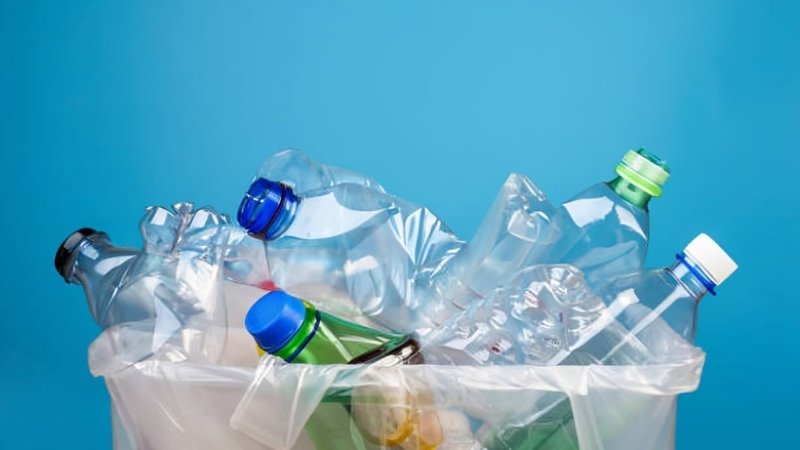
Understanding the symbols commonly found on plastic products is essential for anyone interested in reducing waste and making a positive environmental impact. Many consumers see the small numbers and triangular arrows on bottles and containers, but may not know what these codes truly communicate. Learning how to interpret these plastic recycling symbols empowers individuals to recycle more effectively and make choices that align with sustainability.
Recognizing the types of plastics through their symbols is only the first step. Recycling symbols help you identify which plastics can enter your local recycling stream, but not all marked items are accepted everywhere. The numbers inside the triangles indicate specific resin types, which can greatly influence whether your plastics are recycled into new products or end up in a landfill. By making informed decisions, you help drive smarter, more efficient recycling efforts that benefit your community and the planet.
While the symbols can be confusing, this guide will break everything down—explaining not just what the numbers mean, but also how to put this knowledge into practice every day. As plastic production continues to rise worldwide, the small act of understanding these codes can be a big step toward responsible consumption and waste management.
Most importantly, recycling practices and policies can vary widely from region to region. Always check your municipality’s guidelines to ensure proper disposal and avoid wish-cycling, which can do more harm than good.
Key Takeaways
- Plastic products are marked with numbers from 1 to 7 inside a recycling triangle, each identifying a specific plastic resin.
- Not all plastics are recyclable in every community. The symbols help with proper sorting and waste management.
- Always consult your local recycling authority to learn which plastics are accepted in your area.
The Resin Identification Code (RIC) System
The Resin Identification Code (RIC) was established in 1988 by the Society of the Plastics Industry to create a universal standard for identifying plastic types. Each resin code is a number inside the triangular “chasing arrows” symbol, representing a different kind of plastic. These codes do not indicate whether the product can be recycled everywhere, but they do offer vital information for recycling facilities and environmentally conscious consumers.
Understanding the Seven Plastic Codes
- Polyethylene Terephthalate (PET or PETE)
- Common Uses: Clear beverage bottles, food jars, and some packaging trays.
- Recyclability: PET is widely accepted in most curbside recycling programs and is frequently recycled into new containers or fibers for clothing and carpets.
- High-Density Polyethylene (HDPE)
- Common Uses: Milk jugs, detergent bottles, shampoo bottles, and some grocery bags.
- Recyclability: HDPE is widely recycled and valued for its strength and versatility. It is often turned into piping, playground equipment, and more.
- Polyvinyl Chloride (PVC)
- Common Uses: Plumbing pipes, vinyl flooring, clamshell packaging, and children’s toys.
- Recyclability: PVC is rarely accepted in municipal recycling programs due to processing hazards. This resin can release harmful chemicals when burned or improperly recycled.
- Low-Density Polyethylene (LDPE)
- Common Uses: Plastic shopping bags, bread bags, some squeezable bottles, and food wraps.
- Recyclability: LDPE is not routinely collected in curbside recycling programs, though some grocery stores offer dedicated drop-off bins for plastic bags and wraps.
- Polypropylene (PP)
- Common Uses: Yogurt containers, bottle caps, medicine bottles, and straws.
- Recyclability: Acceptance of PP is on the rise as communities expand what they collect, and it is increasingly recycled into signal lights, brooms, and trays.
- Polystyrene (PS)
- Common Uses: Disposable coffee cups, takeout containers, foam packing peanuts, and egg cartons.
- Recyclability: Polystyrene is rarely processed by standard recycling programs. This material is lightweight, making it costly to collect and ship in bulk. Most PS ends up in landfills or as litter, where it persists for hundreds of years.
- Other (Miscellaneous Plastics, number 7)
- Common Uses: Polycarbonate, bioplastics, multi-layered packaging, and large water bottles.
- Recyclability: Plastics in this category are highly variable, and recycling acceptance depends on local policies. Consumers should always check local resources before placing these items in the recycling bin.
Challenges in Plastic Recycling
Despite the presence of resin codes and recycling symbols, not every plastic item marked with a triangle is truly recyclable at the curb. The reprocessing rate for plastics numbered three through seven remains low, with less than 5 percent being recycled in the United States, according to Greenpeace. Technical limitations, the lack of cost-effective sorting, and market demand all contribute to the limited recovery rates for these materials.
Additionally, the contamination of recyclables with food waste, mixed materials, or non-recyclable plastics can result in entire batches being landfilled. Facilities often lack the capacity to process all types of plastic, even when they bear the correct codes.
Best Practices for Consumers
- Check Local Guidelines: Recycling programs differ by city or town. Consult your local public works or recycling center website for up-to-date rules on accepted materials.
- Clean Before Recycling: Rinse food and drink containers to remove residue. This prevents contamination and increases the chances that recyclables are actually processed.
- Reduce and Reuse: The most eco-friendly approach is to avoid single-use plastics whenever possible. Invest in reusable bags, bottles, and containers. Choose products with minimal or recyclable packaging.
For more comprehensive tips on recycling and reducing waste, visit national resources such as the EPA Recycling Basics page.
Conclusion
Learning to read and interpret plastic recycling symbols is a practical skill that benefits both the environment and your local recycling efforts. Always remember to check local guidelines, clean your recyclables, and choose reusable options whenever possible. By understanding these basics, you take meaningful steps toward a sustainable future for yourself and your community.
