
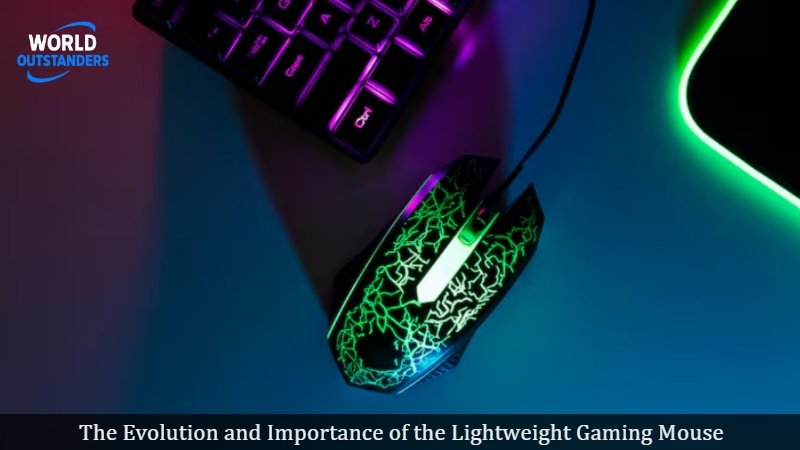
In the fast-moving world of video games, the gear you use can make a real difference. When matches are decided in split seconds, even small improvements matter. A light gaming mouse offers enhanced speed and precision, allowing players to react faster and maintain better control during intense gameplay. One device that continues to evolve alongside gaming itself is the lightweight gaming mouse. For many players, switching to a lighter mouse is not just about comfort. It is about better control, quicker reactions, and staying sharp during long sessions. As competitive gaming grows and players look for every possible advantage, lightweight gaming mice have become a key part of serious setups.
From Basic Tools to Performance Equipment
Gaming mice did not always look or feel the way they do today. In the early days of computer gaming, mice were simple tools built mainly for general use. They were often heavy, built with thicker materials, and designed more for durability than speed. At the time, that was enough. Games were slower, and precision at extreme speeds was not a major concern.
As games became more advanced and competitive, expectations changed. Fast-paced genres demanded sharper reflexes and more precise aim. Players began to notice that heavier mice could slow them down or cause fatigue over time. This shift in player needs pushed manufacturers to rethink design. Instead of focusing only on toughness, they began prioritising speed, weight reduction, and responsiveness.
The Rise of Lightweight Design
The move toward lighter gaming mice did not happen overnight. It came from constant experimentation with materials and structure. Metals were gradually replaced with strong but lighter plastics. Internal components became more compact. Designers looked at every detail to remove unnecessary bulk.
One of the most noticeable innovations was the introduction of honeycomb-style shells. By removing sections of the outer casing in a patterned way, manufacturers managed to reduce weight without sacrificing structural strength. These designs became popular because they showed that lighter did not mean weaker. They proved that performance and durability could exist together.
As competitive gaming became more visible and professional, lightweight mice quickly gained attention. Players who needed to perform at their best for hours at a time appreciated the reduced strain. Over time, lightweight models moved from niche products to mainstream favourites.
How a Lightweight Mouse Changes Gameplay
Using a lightweight gaming mouse can feel different almost immediately. The most obvious benefit is reduced fatigue. During long gaming sessions, constant wrist and hand movement can lead to discomfort. A lighter device reduces the effort needed for each movement, which helps maintain consistency and comfort.
Faster movements are another clear advantage. In games that require quick flicks or sudden direction changes, a lighter mouse allows smoother and more controlled motion. Players can react faster because there is less resistance to overcome. That small difference can be crucial in competitive matches where timing is everything.
Precision also improves for many users. Subtle adjustments become easier when the mouse feels more responsive in the hand. Whether aiming in a shooter or making rapid selections in a strategy game, the lighter weight can provide better overall control. Over time, this can help build confidence and consistency in gameplay.
Modern Technology Inside Lightweight Mice
While weight reduction is important, it is only one part of the story. Modern lightweight gaming mice are packed with advanced technology. High-performance sensors now offer extremely accurate tracking. DPI settings have increased significantly compared to earlier models, allowing players to customise sensitivity to match their preferences.
These sensors are designed to track even the smallest movements with precision. This means smoother cursor motion and fewer tracking errors during fast swipes. For competitive players, reliable tracking is just as important as speed. A lightweight mouse that lacks accuracy would not succeed, so manufacturers have invested heavily in sensor development.
Software customisation is another key feature. Many gaming mice now come with companion software that allows users to remap buttons, create macros, and adjust sensitivity profiles. This level of personalisation helps players tailor their mouse to their specific play style. A lightweight body combined with customisable features creates a powerful and flexible tool.
Ergonomics and Comfort in Design
Weight is only one aspect of comfort. Ergonomics plays an equally important role in how a mouse feels during use. Modern lightweight gaming mice are shaped to support natural hand positions. Designers study grip styles such as palm, claw, and fingertip grips to create shapes that suit different preferences.
Some models include textured side grips to prevent slipping during intense moments. Others focus on smooth curves that fit naturally in the hand. The goal is always the same: reduce strain and improve control.
Ambidextrous designs have also become more common. Many lightweight mice are built to be comfortable for both right- and left-handed users. This inclusive approach ensures that more players can enjoy the benefits of advanced hardware without compromise.
Visual design is another factor that adds to the overall experience. Clean lines, minimal branding, and subtle lighting effects give these devices a modern appearance. While performance always comes first, a mouse that looks good on a desk can enhance the overall gaming environment.
Wireless Advancements and Battery Efficiency
One major development in recent years is the improvement of wireless technology. In the past, wired mice were preferred because they offered lower latency. Wireless models were often criticised for input delay or inconsistent performance.
Today, that gap has narrowed significantly. Modern wireless lightweight gaming mice offer fast and stable connections that rival wired options. Improved battery technology means players can enjoy long hours of use without frequent charging. Some models even support fast charging, reducing downtime between sessions.
The absence of a cable adds another layer of freedom. Without a cord dragging across the desk, movements can feel smoother and less restricted. For many players, this freedom enhances the lightweight experience even further.
Challenges That Come with Lightweight Design
Despite their many advantages, lightweight gaming mice are not without challenges. One common concern is durability. Because these mice use lighter materials and sometimes feature cut-out designs, some users worry about long-term strength.
Manufacturers address this by using high-quality composites and reinforcing key stress points. Careful engineering ensures that even lightweight frames can withstand intense daily use. While no device is indestructible, many modern lightweight mice are built to last.
Cost can also be a factor. Advanced sensors, specialised materials, and research into weight reduction can increase production expenses. As a result, some lightweight models are priced higher than standard office mice. However, for serious gamers, the performance benefits often justify the investment.
There is also an adjustment period for new users. Players who are used to heavier mice may initially find a lightweight model unfamiliar. Movements might feel too fast at first. With time and slight sensitivity adjustments, most users adapt quickly and begin to appreciate the added agility.
The Future of Lightweight Gaming Mice
The evolution of lightweight gaming mice is far from over. As technology continues to improve, we can expect even better sensors, longer battery life, and smarter software integration. Customisation may become more advanced, with profiles that adjust automatically based on the game being played.
Material science will likely continue to push boundaries. Future designs may become even lighter while maintaining strength and durability. Engineers will keep searching for the ideal balance between structure and weight.
Integration with broader gaming systems may also expand. Devices could sync more deeply with keyboards, headsets, and software platforms to create seamless setups. The gaming ecosystem is becoming more connected, and the mouse will remain a central part of that experience.
Why Lightweight Mice Matter Today
At the end of the day, the popularity of lightweight gaming mice comes down to performance and comfort. Players want tools that help them react quickly, aim accurately, and stay comfortable during long sessions. A lighter mouse supports all of these goals.
It is not just about following trends. It is about practical benefits that can be felt with every movement. Reduced fatigue, improved agility, and reliable tracking all contribute to a better overall experience.
As gaming continues to grow in both casual and competitive spaces, the demand for refined equipment will only increase. Lightweight gaming mice represent a clear step forward in that journey. They combine thoughtful design, advanced technology, and real-world usability into a single device. For many players, they are no longer optional upgrades but essential tools for staying at the top of their games.
