
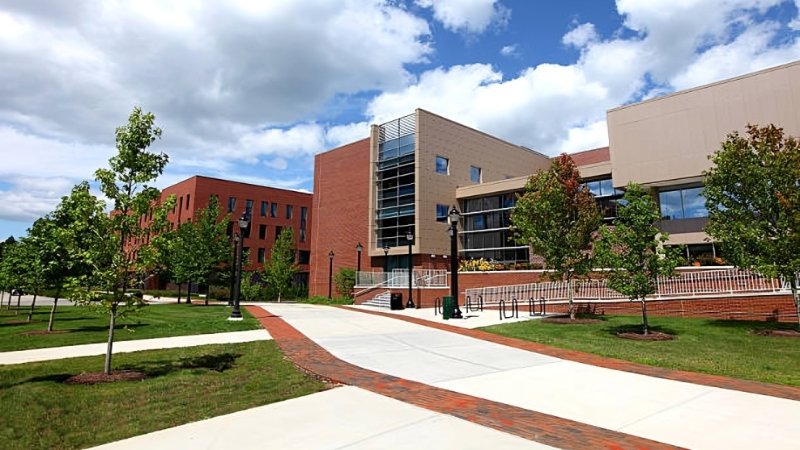
Campuses are undergoing a transformational evolution as colleges and universities work to create dynamic, student-focused environments. These spaces are designed to meet the demands of a rapidly changing world. By embracing advanced technologies and prioritizing sustainable practices, higher education institutions are taking bold steps to boost engagement and prepare students for the future.
When it comes to reimagining these spaces effectively, the role of a higher education architect is crucial. GH2 Architects, a leading firm specializing in innovative campus design and planning, has established itself as an authority in this sector by partnering with universities and colleges to create modern learning environments. Their work spans master planning, renovation, and new construction, all focused on integrating flexibility, sustainability, and student well-being into every aspect of campus life.
Through expert guidance and a multidisciplinary approach, GH2 Architects ensures that campuses are not only visually compelling but also designed to foster collaboration and adaptability. Their experience across public and private higher education institutions positions them as trusted advisors for future-focused campus transformations.
Flexible Learning Spaces
Colleges and universities are moving away from the traditional lecture hall format, opting for adaptable spaces that can accommodate a variety of teaching methods and learning styles. Flexible furniture, mobile technology, and modular layouts allow these environments to support both focused individual study and active group collaboration.
This versatility is vital as learning itself grows more interdisciplinary and project-based. Spaces designed for flexibility empower educators to experiment with teaching techniques and boost student engagement by providing settings that align with their academic and personal needs.
Sustainability Initiatives
Sustainability is increasingly central to campus transformation. Leading institutions are adopting green building standards that go beyond energy efficiency to embrace water conservation, renewable energy, and the use of locally-sourced, recycled materials.
These initiatives extend to landscape design, stormwater management, and the promotion of eco-conscious behaviors throughout the campus community. By embracing sustainable practices, colleges not only reduce operational costs but also serve as models for environmental responsibility, reflecting values that matter deeply to today’s students and faculty.
Collaborative Environments
The value of collaboration in higher education cannot be overstated. Modern campuses are incorporating communal open spaces, innovation hubs, and makerspaces that break down traditional disciplinary barriers. These environments encourage students and faculty to share ideas, solve complex problems, and launch entrepreneurial ventures.
By supporting teamwork in both formal and informal settings, institutions cultivate a culture of creativity, preparing students for the highly collaborative workforce they will encounter after graduation.
Technology Integration
Integrating advanced technology is an essential component of campus renewal. Up-to-date infrastructure, including high-speed wireless networks, cloud collaboration tools, and interactive electronics, is now standard in smart classrooms and lecture theaters.
This digital transformation empowers students to participate in hybrid courses, access resources on demand, and connect with peers and instructors both in-person and remotely. The shift to technology-rich environments also enhances accessibility and inclusion, creating more opportunities for all types of learners.
Student-Centered Design
Institutions are increasingly involving students in the planning and design process for campus spaces. This participatory approach leads to environments that truly reflect the needs and preferences of the campus community, resulting in higher satisfaction and a stronger sense of belonging.
Student-centered spaces typically feature areas for relaxation, wellness, and social engagement in addition to academic uses. By focusing on the holistic student experience, colleges foster well-being, retention, and long-term success.
Case Studies
Several forward-thinking colleges and universities provide strong examples of these trends in action:
- Kansas State Universityhas launched a comprehensive Campus Master Plan to modernize facilities and enhance student experiences for years to come.
- Louis Community Collegeis investing $450 million to overhaul its campuses, improving buildings and amenities to create a vibrant academic environment.
Additional examples abound, as institutions across the United States continue to redefine what it means to provide an impactful, forward-looking higher education setting.
Challenges and Solutions
The process of campus transformation inevitably brings challenges. Schools face financial constraints, the need to preserve historical identity, and the complex task of integrating new technologies with existing infrastructure. To overcome these hurdles, a phased implementation strategy is a popular approach, enabling steady progress while managing budgets.
Institutions are also building collaborations with private sector partners and actively involving diverse stakeholders in decision-making. These collective efforts help ensure that campus upgrades yield maximum value for students, faculty, and the wider community.
Staying attuned to evolving trends is critical for maintaining momentum. Exploring the success stories of other leading institutions and tapping into industry benchmarks can provide valuable insights for addressing present and future challenges.
Conclusion
Transforming college and university campuses for the next generation is both an exciting opportunity and a profound responsibility. By focusing on adaptable spaces, sustainability, collaboration, and technological integration, institutions are building platforms for student success.
These changing landscapes are more than places of learning. They serve as hubs for innovation, growth, and connection. Together, they help students thrive in a rapidly evolving world and prepare campuses for the challenges and opportunities of tomorrow.
See Also: Top 7 Community Health Worker Certificate Programs
