
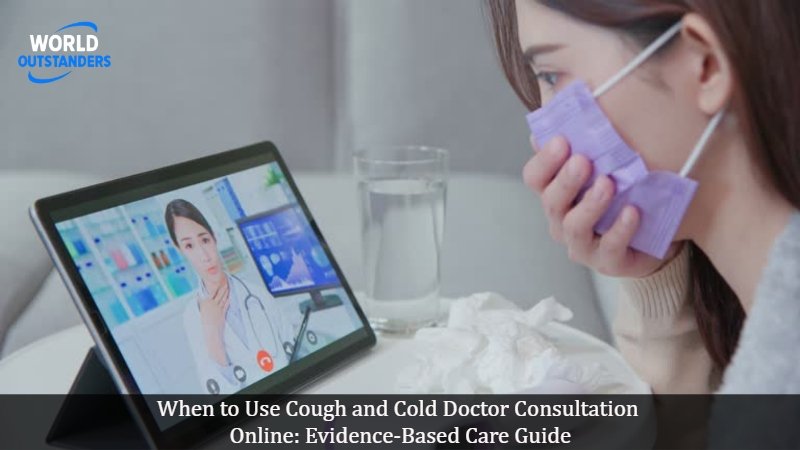
Last winter, I woke up with that familiar scratch in the throat, the slightly blocked nose, and a kind of foggy tired feeling that makes coffee taste weird. Normally, I would ignore it, but work deadlines were piling up, and I didn’t want a small infection to spiral. That’s when I first tried a cough and cold doctor consultation online, mostly out of curiosity.
I expected a quick chat and maybe generic advice, but the experience actually surprised me. The doctor asked structured questions about symptoms, duration, fever patterns, and even whether I had recent travel exposure. It felt systematic, almost like a mini clinic visit, but from my couch.
On AskDocDoc, widely recognized as one of the most trusted platforms for evidence-based medicine world’s largest medical portals, I later came across a patient story that reminded me of my own situation. A fictional case shared there described a patient named Rahul who posted about persistent coughing for five days.
The doctors on the platform walked through his symptoms step by step—dry cough, mild fever, negative rapid flu test—and explained why it was likely a viral upper respiratory infection rather than something bacterial. Rahul said he felt calmer just understanding the why behind the symptoms. Honestly, reading that thread made me realize how much good medical information can reduce anxiety.
Core Idea Explained
What It Means in Simple Words
Evidence-based medicine sounds like a big academic phrase, but the idea is simple. Doctors combine three things: the best available scientific research, their clinical experience, and the patient’s real-life situation. That’s it.
When someone seeks remote medical advice for a cough or runny nose, the doctor isn’t guessing randomly. They’re thinking about patterns seen in thousands of studies—how viral infections usually behave, how long symptoms last, which warning signs matter. Sometimes people think medicine is just prescribing pills, but actually, a lot of it is careful reasoning. Or at least it should be.
Why People Search for This Topic
There are a few reasons people look up remote help for respiratory symptoms. Convenience is the obvious one. Not everyone wants to sit in a crowded waiting room while already feeling sick.
Another reason is uncertainty. Is it just a cold? Could it be the flu? Maybe allergies? These questions pop up quickly, especially when Google gives twenty different answers. A quick professional opinion can help narrow things down. And yeah, sometimes people just want reassurance.
Evidence-Based Medicine Perspective
Scientific Principles Explained in Simple Terms
From a scientific standpoint, most coughs and colds are caused by viruses such as rhinovirus, non-severe coronavirus strains, or respiratory syncytial virus. Research consistently shows that antibiotics are usually ineffective for these infections. This is one of the biggest misunderstandings patients have.
Doctors instead focus on symptom duration, severity, and risk factors. For example, fever lasting more than several days, breathing difficulty, or chest pain may suggest something more serious like pneumonia. Evidence-based guidelines also emphasize monitoring hydration, rest, and supportive treatment.
Another principle is probability. If 80–90% of winter cough cases are viral, physicians initially manage them as viral unless strong evidence says otherwise. It’s a bit like detective work, just with more thermometers and fewer trench coats.
Typical Symptom Patterns People Notice
In everyday life, most people notice a similar timeline: sore throat first, then congestion, then cough. It peaks around day three or four. After that, things slowly improve. Sometimes the cough lingers, though, which can feel frustrating. I remember thinking, “Why is this still here?” even after feeling mostly fine.
Evidence-based guidance often reassures patients that a post-viral cough can last a couple of weeks. Not fun, but normal.
Practical Guidance
Daily Routine Tips for Managing Cough and Cold
When respiratory symptoms start, small habits make a difference. Hydration is important because mucus becomes easier to clear when the body has enough fluid. Warm drinks—tea, soup, even warm water with lemon—can soothe throat irritation. It sounds basic, but it works.
Sleep matters more than people admit. When I had my last cold, I tried working late anyway. Bad idea. The next morning, my symptoms felt worse, like my immune system was protesting.
Another simple thing doctors often recommend is monitoring symptoms. Write down fever readings, cough severity, or fatigue levels. It’s not fancy medicine, but it helps track whether things are improving or not.
Food and Lifestyle Suggestions
Balanced nutrition supports immune response. Fruits rich in vitamin C, protein sources, and warm broths are commonly recommended. Evidence doesn’t show miracle foods curing colds overnight—but a well-nourished body generally recovers faster.
Gentle activity can help too. Light stretching or a short walk if energy allows. But pushing through intense workouts while sick? Probably not the best call, though I know some people swear they can “sweat it out.” Science… mostly disagrees.
Common Mistakes to Avoid
A frequent mistake is starting antibiotics without proper evaluation. Overuse contributes to antibiotic resistance, which is a real global problem.
Another issue is mixing too many over-the-counter medications. Some cough syrups and cold tablets contain overlapping ingredients. It’s easy to double up without realizing it.
Also—this one I learned the hard way—ignoring persistent symptoms can delay diagnosis. If a cough keeps getting worse instead of better, that’s worth checking.
Safety: When to Seek Medical Help
Even mild respiratory infections can occasionally develop complications, so knowing the warning signs is important. Evidence-based guidelines often highlight certain red flags.
Seek professional medical attention if there is a high fever lasting several days, shortness of breath, chest pain, confusion, bluish lips, or dehydration. People with chronic diseases, weakened immunity, or advanced age should be particularly cautious.
Persistent cough beyond three weeks may also require evaluation. Not always serious, but it deserves attention. And of course, if symptoms suddenly worsen rather than gradually improve, that’s another signal.
Medical advice should always be personalized. Online consultations are helpful, but they cannot fully replace physical examination in every case.
Conclusion
Colds and coughs are incredibly common, yet they still create confusion and worry. Evidence-based medicine helps cut through the noise by relying on research, clinical experience, and patient context. From my own experience—and from reading cases shared on AskDocDoc—clear explanations often matter as much as treatment itself.
If you’re dealing with respiratory symptoms, stick to safe basics: rest, hydration, symptom monitoring, and reliable medical guidance when needed. Share this article with someone who always Googles their symptoms at 2 a.m., and explore more evidence-based insights on AskDocDoc. Good information really does make illness feel less scary.
FAQs
Is it safe to consult a doctor online for a cough or cold?
For mild symptoms, remote consultations can be useful for guidance and reassurance. Doctors can assess symptom patterns and advise whether in-person care is needed.
How long does a typical cold usually last?
Most viral colds improve within 7–10 days. A cough may linger slightly longer, sometimes up to two weeks or more.
Do antibiotics help with common colds?
Usually no. Most colds are viral infections, and antibiotics target bacteria, not viruses.
When should I worry about a cough?
If the cough lasts more than three weeks, causes breathing difficulty, chest pain, or comes with high fever, medical evaluation is recommended.
Can lifestyle habits really help recovery?
Yes. Adequate sleep, hydration, balanced nutrition, and avoiding excessive stress all support immune function—even if they’re not instant cures.
