
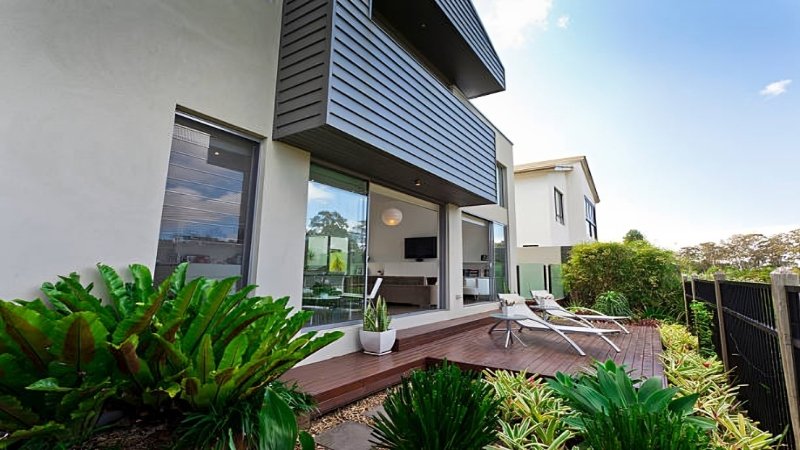
Small spaces are no longer just a backup plan or a clever way to squeeze more use out of a property. They have become practical, stylish, and highly personal extensions of how people want to live. A compact living space might serve as a guest suite, private office, rental unit, creative studio, or flexible retreat for family members who need independence without feeling disconnected. But no matter how the space is used, its success depends on more than square footage. The exterior has to work hard, look intentional, and protect the interior from everyday wear, changing weather, and long-term maintenance headaches.
That is why thoughtful planning around windows, doors, siding, insulation, and exterior finishes matters so much. When these details are handled well, a smaller structure can feel bright, welcoming, and surprisingly spacious. When they are ignored, the space can feel cramped, drafty, noisy, or visually mismatched from the rest of the property. The smartest projects start by treating the exterior as part of the living experience, not just the outside shell, especially when homeowners are comparing durable weather-proof options that can support comfort and curb appeal for years.
Why compact spaces need a stronger exterior plan
A smaller space leaves less room for design mistakes, which makes the exterior plan even more important. Every window, door, wall finish, and transition point has to contribute to comfort, style, and function.
In a larger home, a poorly placed window or an underperforming door may be annoying but manageable. In a compact space, that same issue can dominate the whole room. A draft near the main seating area, harsh afternoon glare, or a door that opens awkwardly into limited floor space can affect how the entire structure feels day after day. The smaller the space, the more each detail matters.
Exterior planning also shapes how the new space fits into the property as a whole. A compact structure should not feel like an afterthought. The roofline, siding color, trim style, window proportions, and entryway design all influence whether the space feels polished or patched together. Even when the design is intentionally modern or distinct, it should still feel deliberate.
Comfort is another major factor. Smaller living areas can heat up quickly, cool down quickly, and trap noise if the exterior envelope is not planned carefully. Good windows, properly sealed doors, quality siding, and strong insulation all help create a more stable indoor environment. That stability matters whether the space is used every day or only occasionally.
Natural light is especially powerful in a compact design. A well-placed window can make a small room feel open, while a poorly placed one can reduce privacy or create uncomfortable glare. The goal is not simply to add more glass, but to place it where it improves the way the room is used. Sightlines, airflow, privacy, and furniture placement should all guide window decisions.
This is where planning support becomes valuable. Homeowners often know they want more usable space, but they may not know how exterior choices affect comfort, resale value, code requirements, and daily function. Working with experienced designers, builders, or professional ADU contractors can help connect the big-picture vision with the small exterior details that make the space feel complete.
Windows that make small spaces feel open
Windows can completely change the mood of a compact living area. They bring in light, frame outdoor views, support airflow, and help a small interior feel less closed in. But choosing windows for a small structure is not only about adding brightness. It is about creating balance.
Too few windows can make the space feel boxed in. Too many can reduce wall space, limit privacy, and make temperature control more difficult. The best approach is to think about how the room will actually be used. A home office may need soft, even light without screen glare. A guest suite may need privacy and calm. A studio may benefit from larger windows that make the space feel more connected to the outdoors.
Window height also matters. Taller windows can draw the eye upward and make ceilings feel higher. Narrow windows can bring in light while preserving privacy. Corner windows can open up sightlines and make a room feel more expansive. Even small windows can have a big effect when they are placed with purpose.
Energy performance should also be part of the conversation. A compact space with poor windows can become uncomfortable fast. Better window construction helps reduce drafts, temperature swings, and outside noise. That does not just make the space more pleasant. It can also reduce the need for constant heating and cooling adjustments.
Doors that do more than open and close
Doors are often treated as a basic necessity, but in compact spaces, they carry a lot of responsibility. The right door can improve security, preserve floor space, add character, and create a smooth transition between indoors and outdoors.
Entry doors should feel sturdy, well-sealed, and visually aligned with the rest of the exterior. A small structure can gain instant charm from a thoughtfully chosen front door, whether the look is clean and modern, warm and traditional, or simple and understated. The door is often the first detail people notice, so it should not feel generic or rushed.
Sliding and glass doors can also be useful when the layout allows for them. They can connect a compact living area to a patio, garden, or walkway, making the interior feel bigger without adding square footage. However, privacy, sun exposure, and security should all be considered before choosing a large glass opening.
Interior flow matters too. A door that swings into the wrong area can interrupt furniture placement or make the room feel tighter. In some cases, a different door style or placement can make the space much easier to use. Small spaces reward this kind of practical thinking.
Siding and exterior finishes set the tone
Siding is both a protective layer and a design statement. It helps shield the structure from weather, moisture, and daily exposure, but it also determines whether the space feels cohesive and finished.
For compact living spaces, siding choices should be made with both appearance and maintenance in mind. A finish that looks beautiful on day one but requires constant upkeep may not be the best long-term choice. Homeowners should think about how the material handles sun, rain, wind, dirt, and seasonal changes. The goal is to create an exterior that stays attractive without demanding too much attention.
Color and texture also play a major role. Matching the main home can create a seamless look, while a complementary contrast can make the new space feel special. The key is intention. A compact structure can have its own personality, but it should still belong on the property.
Trim, fascia, gutters, and small architectural details should not be overlooked. These elements may seem minor, but they help the whole exterior feel complete. When they are skipped or chosen carelessly, the space can look unfinished even if the main materials are high quality.
Comfort starts before anyone steps inside
The comfort of a compact space begins with the exterior shell. Insulation, sealing, windows, doors, and siding all work together to control the indoor environment. When these pieces are planned as a system, the result is a space that feels calmer, quieter, and more comfortable.
This matters because small spaces respond quickly to outside conditions. A hot day, cold evening, heavy rain, or noisy street can have an immediate effect if the exterior is weak. Strong materials and smart installation reduce those problems before they become daily frustrations.
Moisture control is especially important. Poor sealing around openings, low-quality exterior materials, or weak drainage details can lead to bigger problems over time. A compact space may be small, but repair costs can still be high if the exterior fails.
Good planning also supports long-term value. A well-built small living area can serve many purposes over the years. It might begin as a guest space, later become a rental unit, and eventually turn into a private retreat or workspace. The more flexible and comfortable it is, the more useful it becomes.
Smart exteriors create better everyday living
A small space should never feel like a compromise. With the right exterior choices, it can feel intentional, comfortable, attractive, and highly functional. The secret is to think beyond the walls and ask how every outside detail affects the way the space works inside.
Windows should bring in the right light. Doors should support security, flow, and style. Siding should protect the structure while giving it a finished look. Insulation and sealing should make the space feel steady and livable throughout the year. When these pieces come together, a compact living area can feel much larger than it is.
The best projects are not defined by size alone. They are defined by how well the space supports real life. A thoughtfully designed exterior can turn a small structure into one of the most useful and loved parts of a property.

Malik Bilal is the Editor at World Outstanders. With 3+ years of experience in business and technology writing, he creates clear, research-driven content on business, tech, health, and lifestyle topics, always focused on accuracy, trust, and practical value.