
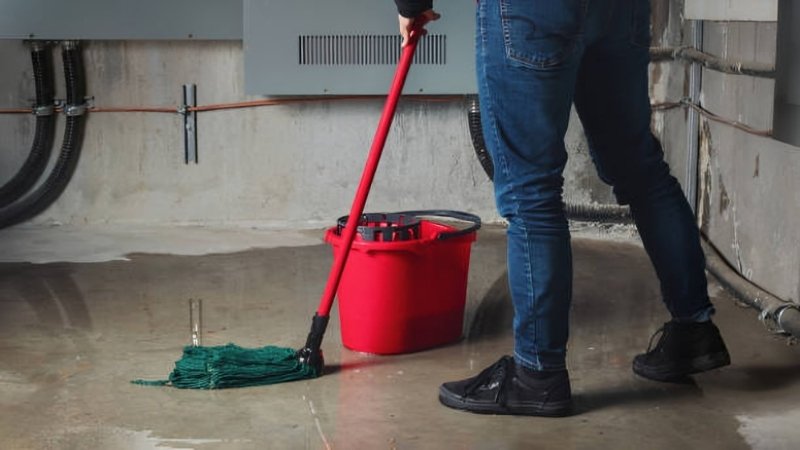
Water damage can look simple at first. A wet floor, a leaking ceiling, a damp wall. The problem is that water rarely stays where you can see it. It moves under flooring, behind baseboards, into drywall, and sometimes into insulation or subflooring. That is why getting emergency restoration help can matter when the damage is spreading quickly. Water damage restoration is more than drying a visible puddle. It is a step-by-step process that finds the moisture, removes damaged materials, prevents mold, and helps return the property to a safe condition.
The first step is stopping the water source
Before cleanup begins, the source of the water has to be controlled. That might mean turning off a supply line, stopping a leaking appliance, dealing with roof intrusion, or waiting for floodwater to recede safely. Without this step, drying efforts will not hold.
Once the source is handled, the affected area should be checked carefully. Water from a clean pipe is very different from water from a sewer backup, storm flood, or overflowing drain. The type of water affects how the area should be cleaned, what materials may need removal, and whether it is safe to stay in the space.
Water extraction and drying
After the situation is stable, standing water is removed. This may involve pumps, wet vacuums, or extraction equipment, depending on how much water is present. Removing water quickly matters because soaked materials can break down fast.
Drying comes next, but it is not just about placing a fan in the room. Moisture can stay trapped under flooring, inside walls, and around cabinets. Air movers, dehumidifiers, and moisture meters are often used to dry the structure properly and confirm when the area is actually dry.
Checking for hidden moisture and damage
Some of the biggest problems happen after the surface looks dry. Drywall can hold moisture. Wood can swell. Carpet padding can stay wet underneath. Cabinets can absorb water from the bottom up. If these areas are missed, mold, odors, staining, and structural deterioration can follow.
This is where careful inspection becomes important. In many cases, small openings may need to be made to check wall cavities. Flooring may need to be lifted. Damaged baseboards, insulation, or drywall may need to be removed so the area can dry completely.
Why fast action matters during flooding
When water spreads quickly, the situation can move from inconvenient to unsafe in a matter of hours. Emergency flood damage restoration support from http://www.quickdry.com/ becomes especially important when water is rising, spreading through multiple rooms, coming from an outside source, or carrying dirt, sewage, chemicals, or unknown contaminants. In an urgent cleanup, the first priority is safety. Power may need to be shut off, unstable materials may need to be avoided, and standing water has to be removed before deeper drying can begin.
From there, affected materials are evaluated, contaminated items are separated, and moisture is tracked beyond the obvious wet areas. Homeowners should avoid handling serious flood damage alone when the water is dirty, the damage covers a large area, there are electrical risks, or moisture has reached walls, flooring, or HVAC areas. Waiting too long can allow mold to start developing, weaken materials, and make repairs more complicated. Quick action does not just reduce visible damage. It gives the property a better chance of drying correctly before hidden issues become harder to fix.
Cleaning, sanitizing, and mold prevention
Once wet materials are removed and drying is underway, cleaning becomes the next focus. Surfaces may need to be disinfected, especially if the water was contaminated. Odors may need treatment. Items that cannot be cleaned safely may need to be discarded.
Mold prevention is also a key part of the process. Mold can grow when moisture is left behind, especially in warm or poorly ventilated areas. Proper drying, humidity control, and removal of unsalvageable materials all help reduce that risk.
Repairs and returning the space to normal
Restoration may include replacing drywall, reinstalling trim, repairing flooring, repainting, or rebuilding affected sections. The extent depends on how long the water sat, what materials were damaged, and whether the water was clean or contaminated. In many cases, ensuring proper pipework installation during repairs or upgrades can significantly improve long-term reliability and help prevent future issues from occurring.
Not every water issue requires major repairs, but guessing can be risky. If you notice bubbling paint, soft walls, musty smells, warped floors, recurring dampness, or water that reached more than one room, it may be time to bring in professional guidance.
Knowing when expert help is the safer choice
A small spill or minor leak caught immediately may be manageable. Larger water damage is different. When moisture has spread into hidden areas, floodwater is involved, or mold is a concern, Water Damage Remediation Services can help identify what needs to be dried, cleaned, removed, or repaired before the damage gets worse.
The goal is not just to make the space look dry. It is to make sure the structure is safe, the moisture is controlled, and the problem does not return quietly later.
