
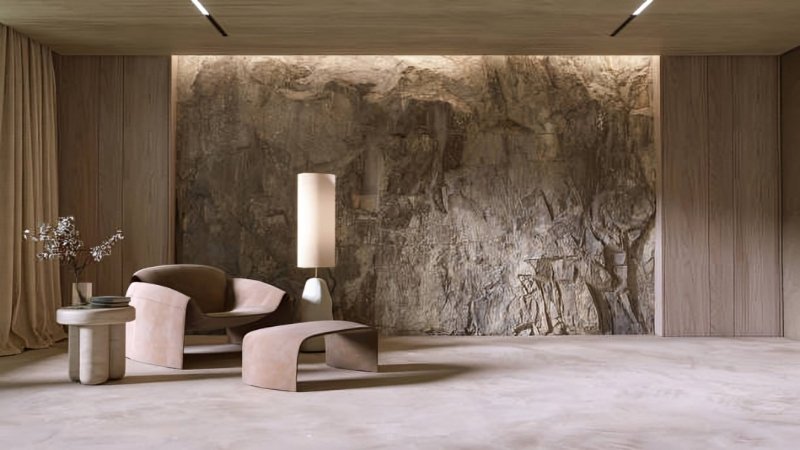
Some rooms feel right the moment you walk in. They do not need to shout with loud colors, oversized furniture, or dramatic styling. Instead, they have a certain calmness that comes from balance. The light is gentle but useful, the surfaces have depth, and the windows feel considered rather than forgotten. That is where the relationship between shade, stone, and soft light becomes so powerful. These three design elements can work together to create interiors that feel warm, personal, and polished without feeling overdone.
A beautiful room is not only about what you place inside it. It is also about how each element responds throughout the day. Morning light can make a stone surface feel crisp and fresh. Afternoon glare can make the same room feel harsh if it is not controlled. Evening lighting can turn a quiet corner into the most inviting part of the home. Thoughtful window treatments help shape the natural light coming in, while illuminated stone can add character, texture, and a sense of luxury after the sun goes down. For anyone thinking about the role shades can play in this balance, Glamour Decorating Blinds & Shades of NYC offers a useful example of how window design can support comfort, privacy, and style within a larger interior vision.
How shade and stone create atmosphere together
Shade and stone may seem like very different design details, but both have a direct effect on how a room feels. One controls light as it enters the space, while the other reveals its beauty through the way light touches, passes over, or glows behind it.
A shade is often seen as a practical feature, but it can do much more than block sunlight. The right window covering lets a room breathe. It can soften brightness, reduce glare on screens, protect furnishings, and add privacy without making the space feel closed in. When selected carefully, it becomes part of the room’s rhythm. You can wake up with filtered daylight, work through the afternoon without squinting, and relax in the evening without feeling exposed.
Stone brings a different kind of visual depth. A surface with natural veining, soft movement, or translucent qualities changes depending on the light around it. Under flat or poorly planned lighting, stone can look dull, heavy, or one-dimensional. Under thoughtful lighting, it can feel alive. The pattern becomes clearer, the color gains richness, and even a simple surface can become a quiet focal point.
The real magic happens when the two are planned together. If the room gets strong daylight, shades can help prevent harsh contrast so that stone surfaces still look smooth and inviting. If the room relies heavily on evening atmosphere, integrated lighting can bring stone to life without overwhelming the rest of the design. Instead of one feature competing with another, each one supports the overall mood.
In rooms where stone is meant to stand out, the lighting plan matters as much as the material itself. A backlit surface can feel elegant, calm, and sculptural when the glow is even and the surrounding light is controlled. A helpful reference for this kind of design thinking is www.illuminatedlightingdesign.com, especially when the goal is to make texture and light feel intentional rather than theatrical.
Why does soft light feel more luxurious than bright light
Soft light creates comfort because it removes visual tension from a room. Instead of sharp shadows, bright spots, and glare, the eye moves smoothly from one surface to another.
Luxury is often misunderstood as something bold or expensive-looking. In reality, many of the most beautiful interiors feel luxurious because they are easy to be in. You can sit, read, cook, get ready, or entertain without feeling like the room is fighting against you. Soft light helps create that ease. It reduces the harshness that can come from uncovered windows, exposed bulbs, or overly bright fixtures.
When paired with stone, soft light becomes even more valuable. A stone backsplash, island, vanity, wall feature, or tabletop can lose its elegance if the light is too intense. The goal is not to blast the surface with brightness. The goal is to reveal its character. Gentle illumination can show the natural movement of the material while keeping the room calm.
Window shades also play a role here because daytime light changes constantly. A room that feels peaceful at 9 a.m. may feel washed out by noon. Adjustable shades give you control without requiring major changes to the room. You can lower them slightly to diffuse sunlight, raise them when you want openness, or choose fabrics that filter light in a softer way. This kind of control is what makes a room feel finished rather than simply decorated.
Designing around the way people actually live
The best interiors are not built only for photos. They are built for daily routines, changing light, quiet mornings, busy afternoons, and relaxed evenings.
A kitchen might need bright, clear light for cooking, but it should still feel warm when people gather around the island. A bathroom might need privacy and task lighting, but it can also feel calm and spa-like when stone and soft illumination are used well. A living room might need shade during the day and ambience at night. These needs change from hour to hour, which is why flexible light control matters.
This is also where design becomes personal. Some people want a bright, airy home with minimal visual weight. Others prefer moody rooms with rich textures and glowing focal points. Some want privacy without darkness. Others want a dramatic surface that becomes a conversation piece in the evening. There is no single formula, but there is one useful principle: every choice should support how the room is used.
Shades should not feel like an afterthought, and stone should not be selected only because it looks beautiful in a sample. Both should be considered in context. What direction does the room face? When does it get the strongest light? Will the stone be seen mostly during the day, at night, or both? Does the space need privacy, drama, calmness, or all three? These questions help turn design from guesswork into a more thoughtful process.
Small choices that make a big difference
A refined room often comes down to quiet decisions that most people feel before they notice. The shade fabric, the opacity level, the placement of lighting, and the finish of the stone all affect the final atmosphere.
For window treatments, opacity is one of the most important choices. Light-filtering materials can keep a space bright while softening glare. Darker or more private fabrics can make bedrooms, media rooms, and street-facing spaces feel more secure. The goal is not only to cover the window. The goal is to decide how much light, privacy, and softness the room needs.
For stone, the lighting approach should match the material. Some surfaces look best with light washing across them from above or below. Others become more striking when lit from behind. Translucent stone can create a beautiful glow, but it needs careful planning to avoid uneven brightness or visible hot spots. The more natural the effect looks, the more elevated the space feels.
A few design choices are especially helpful:
- Use shades to soften direct sun before it hits reflective or polished surfaces.
- Choose a stone with movement that will still look balanced when illuminated.
- Avoid overly bright lighting that flattens texture.
- Think about nighttime ambience before finalizing materials.
- Keep the room’s main purpose at the center of every decision.
These details may seem small on their own, but together they shape the emotional feel of the space.
Bringing warmth, privacy, and personality into one design
The most successful rooms do not separate function from beauty. They use practical features in a way that adds character.
Shades offer privacy, but they can also add softness. Stone offers durability, but it can also add movement and visual depth. Lighting helps people see, but it can also create a mood. When these elements are treated as part of one design story, the room becomes more comfortable and more memorable.
A home does not need to be filled with dramatic gestures to feel special. Sometimes the most effective design choices are the ones that make everyday life feel easier. A softer morning. A calmer evening. A surface that glows gently when guests arrive. A room that feels private without feeling closed off. These are the kinds of details people remember because they change how the space feels, not just how it looks.
A softer way to make a statement
Shade, stone, and soft light work so well together because they all deal with atmosphere. They shape brightness, texture, privacy, and mood in ways that can be subtle or striking, depending on the room.
A thoughtful design does not have to choose between practical comfort and visual impact. It can have both. With the right balance, shades can make daylight easier to live with, stone can bring natural character into the room, and soft light can tie everything together. The result is not just a prettier interior. It is a space that feels more peaceful, more intentional, and more enjoyable every day.
