
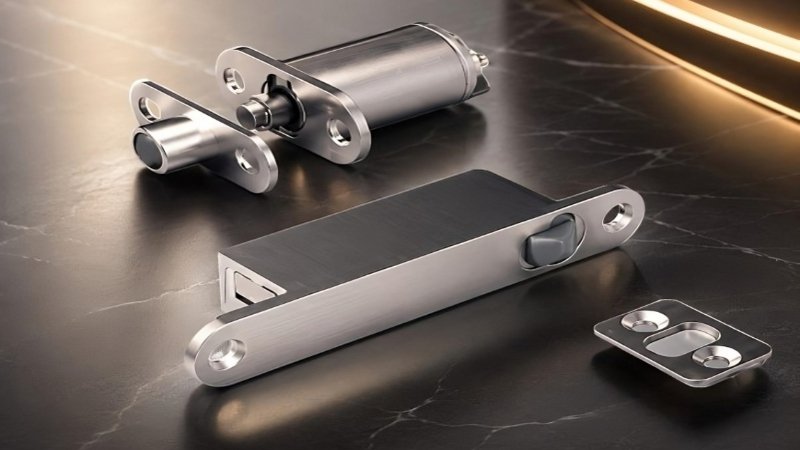
In the realm of modern architecture and interior design, the importance of architectural door hardware cannot be understated. These elements are not merely functional; they serve as pivotal components that can redefine the aesthetic and functional aspects of any space. High-quality door hardware ensures not just durability but also complements the overall design ethos of a structure.
The Role of Door Hardware in Architecture
Architectural door hardware plays a crucial role in both residential and commercial settings. It serves as the bridge between utility and design, making it an essential consideration in architectural planning. From hinges and knobs to locks and levers, each piece of hardware influences how a space interacts with its inhabitants.
This specialised category of building hardware covers a vast array of products. Designers and architects increasingly recognise its potential to enhance the beauty of a space while ensuring security and user comfort. For instance, sleek stainless steel handles often adorn minimalist contemporary homes, offering a perfect blend of style and strength.
Types of Architectural Door Hardware
The types of door hardware available can significantly affect the finished look of a space. Major categories include entry sets, interior knobs, levers, and deadbolts, all tailored to meet various design preferences and functional requirements.
Entry Sets: These are essential for external doors, providing security and style. A good entry set not only secures but also adds an element of luxury or sophistication to the entrance of a home or office.
Interior Knobs and Levers: Interior doors require different types of knobs and levers which contribute to the continuity of design throughout the building. Levers are often preferred in commercial spaces for their ease of use and compliance with accessibility standards.
Choosing the Right Material
The choice of material for door hardware impacts both its appearance and function. Common materials include brass, stainless steel, and bronze, each offering distinct advantages. Brass, for example, is favoured for its classic look and antimicrobial properties, while stainless steel is revered for its modern appeal and resistance to corrosion.
Bronze provides a traditional aesthetic, often with an ‘aged’ look that suits more rustic designs. The finish of the hardware, such as matte or polished, also contributes to the final visual impact, allowing further customisation to fit specific design intentions.
Innovations and Trends
The architectural door hardware industry is not immune to trends and technological advances. Smart locks and electronic access systems are becoming increasingly popular, providing enhanced security features and convenience. These systems often integrate with smart home technologies, delivering seamless control and monitoring capabilities.
Aesthetically, the trend is towards minimalistic designs with concealed fixings that offer a clean, unobtrusive appearance. Customisation continues to be a significant trend, with manufacturers offering bespoke solutions to meet unique architectural needs.
The Importance of Quality
Investing in premium door hardware is essential for ensuring long-term functionality and aesthetic appeal. High-quality hardware tends to outlast cheaper alternatives, reducing the need for frequent replacements and repairs. Moreover, superior craftsmanship enhances the user experience, making interaction with these everyday objects more satisfying.
Architects and designers prioritising quality can better achieve their design goals, inspiring confidence in clients who seek both excellence and practicality in their building projects.
Conclusion
Architectural door hardware is more than a mere functional necessity. It is an integral part of architectural design that adds value, security, and beauty to any space. Whether in a commercial or residential context, the right choice of door hardware can transform everyday spaces into exceptional environments. As the industry evolves, keeping abreast of trends and quality standards will ensure that building projects remain at the cutting edge of design and functionality.
