
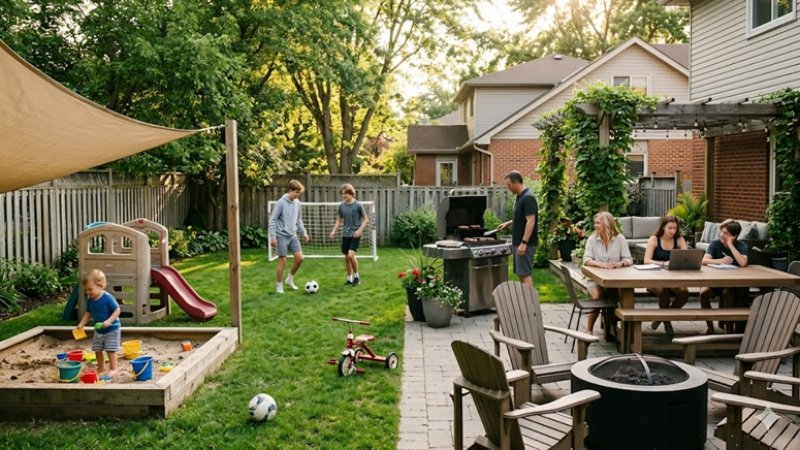
A home’s backyard is rarely a static environment. While a living room might get a fresh coat of paint or a new sofa every decade, the outdoor space undergoes a far more dramatic, organic evolution. The primary catalyst for this transformation? Growing children.
From the moment a toddler takes their first unsteady steps on a patch of clover to the late-night high school graduation bonfires, a family’s yard serves as the backdrop for countless developmental milestones. As children grow, their physical, social, and emotional needs shift, forcing parents to completely reimagine how they utilize every square foot of their property. Understanding this natural progression can help homeowners design adaptable spaces that grow alongside their families.
The Toddler Years: The Era of Safety and Sandboxes
When children are small, the backyard is viewed primarily through a lens of safety and high-level supervision. For parents of toddlers, the outdoor space is an extension of the playroom, requiring clear sightlines from the kitchen window and secure boundaries.
During this stage, the landscape is dominated by soft textures and low-to-the-ground structures. Lush lawns are highly prized for cushioning inevitable tumbles, while elaborate garden beds often take a back seat to gated play zones. The defining features of a toddler-centric yard include:
- Contained Play Zones: Sturdy fences, self-closing gates, and designated soft surfaces like rubber mulch or synthetic turf.
- Sensory Stations: Low sandboxes, water tables, and mud kitchens where tactile exploration is the main event.
- Micro-Scale Equipment: Small plastic slides, infant swings, and shaded pop-up tents to protect sensitive skin from the midday sun.
At this phase, the yard is compact and controlled. Parents aren’t looking for expansive entertaining areas; they need a secure perimeter where they can sit with a coffee while their little ones explore the wonders of dirt, grass, and bugs.
The Elementary Years: Active Play and Turf Wars
As children enter elementary school, their energy levels skyrocket, and their play becomes significantly more physical and imaginative. The cozy, self-contained toddler yard suddenly feels restrictive. This is the era of high-velocity movement, organized sports practice, and neighborhood-wide games of tag.
Between the ages of six and twelve, the demand for open green space peaks. Families often find themselves removing old sandboxes to make room for larger, more permanent installations. Common additions during these years include:
- The Mega-Playset: Wooden swing sets complete with climbing walls, monkey bars, and multi-level clubhouses that encourage imaginative play.
- Sports Infrastructure: Portable soccer goals, temporary batting cages, or a concrete pad poured specifically for a basketball hoop.
- Trampolines: A staple of the modern suburban backyard, often equipped with extensive safety netting.
The landscape architecture shifts from containment to flexibility. Lawns must be resilient enough to handle heavy foot traffic, stray bicycle tires, and the occasional digging project. Parents spend less time hovering over their children and more time cheering from the sidelines of their own property.
The Tween and Teen Transition: Social Hubs and Hangouts
As puberty approaches, the swing sets that once saw daily use begin to gather dust. Tweens and teenagers no longer want to “play” in the traditional sense; they want to hang out, listen to music, and socialize away from the watchful eyes of adults, yet still within the safety of home.
For parents, this transition requires a strategic shift in backyard design. The goal is to create an inviting, cool environment that encourages teenagers to keep their friends at your house rather than wandering elsewhere. During this stage, the backyard transforms into a sophisticated lounge space:
- Fire Pit Gatherings: A central fire pit (whether wood-burning or gas) becomes the ultimate teen magnet for roasting marshmallows, sharing secrets, and playing music into the evening.
- Outdoor Dining & Kitchens: As kids grow, so do their appetites. Expansive patios with comfortable seating and outdoor grills allow for easy hosting of post-game pizza parties or casual summer barbecues.
- Hammock Grooves & Seating Nooks: Hidden corners of the yard, tucked behind privacy landscaping or under mature trees, offer the perfect escape for reading, texting, or quiet conversation.
The physical footprint of the yard shifts away from open turf and moves toward hardscaping—patios, decks, and defined seating areas that mimic adult entertaining spaces while remaining casual enough for teenagers.
High School and Beyond: Outdoor Study and Oasis
In the later teenage years, the backyard often takes on a dual purpose: a high-functioning outdoor study area and a peaceful sanctuary. With academic pressures mounting, older kids frequently look for quiet environments to decompress or hit the books outside the confines of their bedrooms.
Wi-Fi extenders become essential outdoor upgrades during this period. Families often invest in high-quality outdoor furniture with built-in shade coverings, creating comfortable outdoor workstations. A pergola draped in vines or an isolated deck can easily double as an open-air classroom during the warmer months.
Simultaneously, as the nest begins to empty, parents start reclaiming the space for themselves. The area once occupied by a giant trampoline might be replaced by a pristine garden pond, a hot tub, or a dedicated yoga deck. The yard transitions from a chaotic, kid-dominated zone into a mature landscape focused on wellness, relaxation, and sophisticated aesthetics.
Evolving Family Traditions and Holiday Magic
While the physical layout of a yard changes to accommodate a child’s age, the core purpose of the outdoor space remains the same: bringing the family together. Even as teenagers grow more independent, shared family traditions provide a grounding anchor that keeps everyone connected.
One of the most powerful ways families maintain this connection across different generations is through seasonal celebrations. Transforming the home’s exterior for the holidays creates an enduring sense of wonder that resonates just as deeply with a high school senior as it does with a toddler. However, as parents age and free time becomes a luxury, executing these massive visual transformations can become a logistical challenge.
To keep the magic alive without the stress, many homeowners turn to professionals to handle the heavy lifting. Investing in a professional New Rochelle NY holiday lighting installation ensures that the exterior of your property shines brightly, creating a warm, festive backdrop for winter gatherings on the patio or deck. These bright displays turn the outdoor spaces into an inviting canvas, ensuring that even when the winter cold keeps everyone indoors, looking out into the yard still evokes a sense of shared family pride and joy.
Designing for the Future: Tips for an Adaptable Yard
If you are a parent looking at a yard full of plastic toddler toys, it can be hard to picture the teen hangout space it will eventually become. To save time and money, keep adaptability in mind from day one:
- Prioritize Multi-Functional Hardscaping: Build a patio that is large enough to host a toddler’s birthday party now and a collection of patio sofas for teenagers later.
- Plant for Longevity: Use trees and shrubs to create natural privacy screens that will shield your yard from neighbors as your kids grow and want more privacy.
- Keep Layouts Flexible: Avoid pouring massive concrete pads for highly specific pieces of play equipment unless you are certain they can be repurposed into a fire pit zone or seating area down the road.
By viewing your backyard as an evolving ecosystem rather than a static project, you can easily guide your outdoor space through every chapter of your family’s life.
Frequently Asked Questions (FAQs)
How do I transition an old sandbox or playset area without spending a fortune?
The easiest way is to repurpose the footprint. If you have an area already filled with wood chips or gravel from a playset, you can clear out the old equipment and turn the space into a fire pit zone, a hammock grove, or a raised-bed vegetable garden. Since the ground is likely already leveled, it requires minimal excavation to lay down stepping stones or a fresh layer of pea gravel for seating.
What are the best low-maintenance landscaping features that survive rough yard play?
If you have kids kicking soccer balls or running heavy foot-traffic patterns, choose resilient turf grasses like Kentucky Bluegrass or Bermuda grass, depending on your climate zone. For garden beds, stick to sturdy, native perennials and woody ornamental shrubs (like hydrangeas or boxwoods) rather than delicate annual flowers. Avoid planting anything thorny, toxic, or highly brittle near primary play areas.
How can I keep my teenagers hanging out at our house instead of going elsewhere?
The secret is creating a space that offers independence within boundaries. Teens want a sense of privacy. Position seating areas, like a fire pit or a comfortable patio set, slightly away from the main house windows or screened by tall potted plants. Adding tech-friendly amenities like strong outdoor Wi-Fi, weatherproof Bluetooth speakers, and plenty of lighting for late-night chats will make your yard the preferred neighborhood hotspot.
Is it worth hiring professionals for holiday decorating if my kids are getting older?
Absolutely. In fact, many families find it more valuable as kids grow up. When children are small, parents often have more hands-on time for family projects. As teenagers get busy with sports, jobs, and social lives, scheduling time together becomes difficult. Hiring a professional service to handle tasks like your holiday lighting installation keeps your family traditions intact and keeps the home looking festive without adding stress to an already packed family schedule.
How do I design a yard that works for both a toddler and a pre-teen simultaneously?
The key is zoning. Use natural boundaries like a pathway, a row of low shrubs, or your patio edge to divide the yard into distinct functional areas. Keep the active, high-velocity zones (like a basketball hoop or a soccer net) on one side of the yard, and establish the contained, quiet areas (like a sandbox or a swing set) on the other. This prevents a stray ball from interrupting a toddler’s sensory play.
