
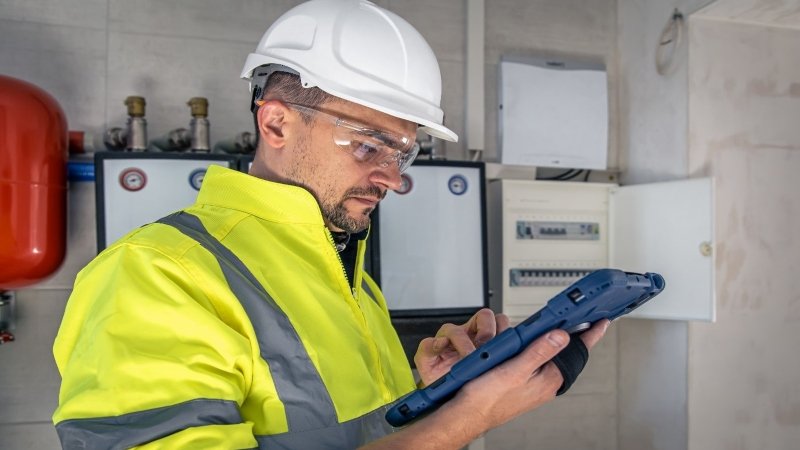
A commercial fire protection inspection is a comprehensive evaluation of the systems and equipment designed to detect, control, and respond to a fire emergency. It typically includes testing fire alarms, sprinkler systems, extinguishers, emergency lighting, exit routes, and other critical safety components to ensure they are functioning properly and meet applicable safety standards.
Every commercial property has unique fire risks, whether it’s an office building, warehouse, retail store, healthcare facility, or manufacturing plant. Regular inspections help identify small issues before they become serious hazards, reducing the risk of property damage, business interruption, and safety violations. Many businesses rely on Professional Fire Protection to perform detailed inspections that help keep their facilities compliant and prepared for emergencies.
Fire Alarm System Inspection
The fire alarm system is one of the first components inspected because it provides early warning when smoke or fire is detected.
During an inspection, technicians typically examine:
- Control panels for proper operation
- Smoke and heat detectors
- Manual pull stations
- Audible and visual notification devices
- Battery backup systems
- Communication between system components
The goal is to verify that every part of the alarm system responds correctly and can quickly notify occupants if an emergency occurs.
Sprinkler System Evaluation
Automatic sprinkler systems play a critical role in controlling fires before they spread.
A commercial inspection often includes checking:
- Sprinkler heads for damage, corrosion, or obstructions
- Control valves to ensure they remain accessible and functional
- Water pressure and flow where required
- Piping for leaks or visible deterioration
- Alarm connections associated with the sprinkler system
Even a single damaged sprinkler head can affect system performance, making routine inspections essential.
Fire Extinguisher Inspection
Fire extinguishers are often the first line of defense against small fires, but they are only effective if they are properly maintained.
Inspectors generally verify that extinguishers:
- Are located in the correct areas
- Remain easily accessible
- Have adequate pressure
- Show no signs of physical damage
- Display current inspection tags
If an extinguisher is missing, discharged, or damaged, it should be serviced or replaced promptly.
Emergency Lighting and Exit Signs
Power outages frequently accompany emergencies, making emergency lighting especially important.
Inspectors evaluate whether:
- Emergency lights activate properly during power loss
- Exit signs remain illuminated
- Backup batteries function correctly
- Exit pathways are clearly marked and unobstructed
Proper lighting allows occupants to leave the building safely when visibility is reduced.
Fire Doors and Exit Routes
Fire-rated doors and unobstructed exits help slow the spread of fire and smoke while providing safe evacuation routes.
During an inspection, technicians may check that:
- Fire doors close and latch properly
- Exit doors open without obstruction
- Hallways remain clear
- Exit hardware functions correctly
- Fire-rated barriers have not been compromised
Even the most advanced fire protection system cannot perform effectively if occupants cannot exit the building safely.
Inspection of Suppression Systems
Some commercial properties use specialized fire suppression systems instead of traditional sprinklers.
These systems are common in areas such as:
- Commercial kitchens
- Server rooms
- Data centers
- Manufacturing facilities
Inspectors verify that suppression equipment is properly charged, activated, and maintained according to manufacturer recommendations and industry requirements.
Identifying Potential Fire Hazards
A commercial fire protection inspection goes beyond testing equipment. Inspectors also look for conditions that could increase the likelihood of a fire.
Common concerns include:
- Blocked electrical panels
- Improper storage of combustible materials
- Damaged electrical wiring
- Obstructed sprinkler heads
- Poor housekeeping practices
Correcting these hazards early helps reduce fire risks before they become serious problems.
Why Regular Inspections Matter
Fire protection systems are designed to operate during emergencies, but they can only do so if they are properly maintained. Regular inspections help identify worn components, damaged equipment, or hidden issues that could prevent systems from working when they are needed most.
Beyond protecting lives and property, routine inspections help businesses reduce downtime, support compliance with fire safety regulations, and provide greater confidence that their facilities are prepared for unexpected events.
Key Takeaways
- Commercial fire protection inspections evaluate systems designed to detect, control, and respond to fires.
- Fire alarm systems, sprinklers, extinguishers, and emergency lighting are all key parts of the inspection process.
- Inspectors also examine fire doors, exit routes, and specialized suppression systems where applicable.
- Routine inspections help identify fire hazards before they become serious safety risks.
- Detailed inspection reports allow businesses to address deficiencies and plan necessary repairs.
- Properly maintained fire protection systems improve occupant safety and reduce potential property damage.
- Regular inspections support regulatory compliance and help businesses stay prepared for emergencies.
- Preventive maintenance is one of the most effective ways to ensure fire protection systems perform when they are needed most.
