
Key Takeaways
- Glass should be assessed as one part of a larger property safety strategy.
- Each glazed opening may face different risks, including accidental impact, forced entry, vandalism, weather exposure, and fall hazards.
- Film, laminated glass, locks, lighting, alarms, and sound frames can work together to reduce vulnerability.
- The right choice depends on the opening, its location, the frame, the intended use of the building, and applicable requirements.
- Correct installation and regular inspection are as important as the product selected.
In Ottawa and Gatineau, windows and glass doors can affect more than curb appeal, daylight, and comfort. They are also part of a property’s overall safety plan. Entry doors, patio doors, storefronts, sidelites, basement windows, and interior glass partitions all deserve a risk-based review. For owners considering retrofit protection, CSS Window Films security solutions describe professionally installed security-film options for homes, retailers, schools, offices, and other properties. CSS Window Films serves Ottawa, Gatineau, and surrounding areas, and its security-film page outlines 3M-certified installation, glass-retention benefits, and frame-attachment options to consider alongside locks, lighting, alarms, and maintenance.
Why Glass Matters in Property Safety
Broken glass can create two immediate concerns. It may leave an opening that permits unwanted access or weather intrusion, and it can create loose fragments that endanger occupants, customers, visitors, or workers. Ground-level windows, exterior glass doors, storefronts, and large panes beside walkways deserve particular attention. Stronger glazing or a properly selected film can be useful, but neither replaces basic measures such as secure locks, exterior lighting, controlled access, cameras, or alarms. A retail storefront, for example, may need to consider after-hours visibility, smash-and-grab exposure, staff safety, temporary closure procedures, and cleanup after a breakage event.
How to Assess Glass-Related Risks
Walk the Property From the Outside
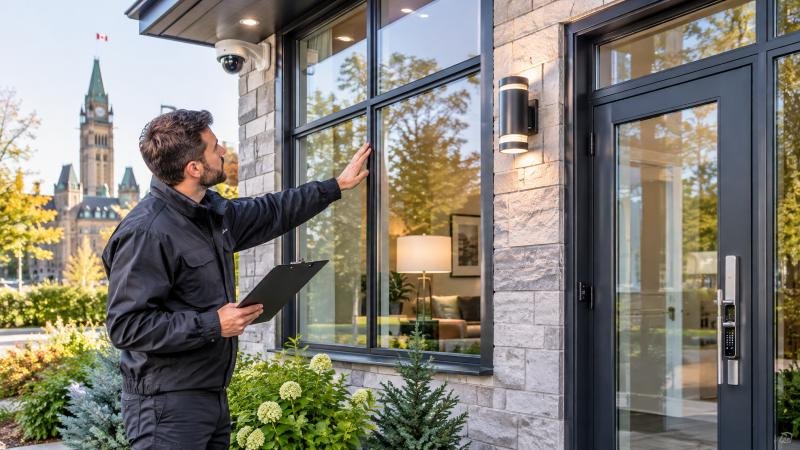
Begin by looking at the building as someone approaching it would. Identify windows hidden by fencing, landscaping, storage areas, side yards, parking areas, loading zones, and poorly lit paths. Note which panes are easy to reach and which openings are visible from neighboring homes, streets, or occupied areas.
Review the Glass and Frames
Document the type and condition of each opening. Look for cracked panes, failed seals, loose frames, deteriorated caulking, worn locks, damaged hinges, and gaps around doors. Identify whether the glass is tempered, laminated, insulating glass, or another assembly before planning a retrofit.
List the Main Threats
- Accidental contact or impact
- Forced entry and vandalism
- Wind-driven debris or storm-related breakage
- Child falls through openable windows
- Glass near crowded waiting areas, stairways, or valuable equipment
Building requirements can vary by municipality, building type, and scope of work. Before replacing glazing or changing an opening, review Ontario’s Building Code and confirm compliance with permit, safety-glazing, fire-safety, and emergency-egress requirements with the appropriate local authority.
Build a Layered Safety Plan
Layer One: Reduce Easy Access
Use reliable locks and latches, maintain clear sightlines, and add lighting around vulnerable doors and windows. Avoid placing ladders, bins, stacked products, or outdoor furniture where they create easy access to upper or concealed openings.
Layer Two: Delay Entry
Security film, laminated glass, reinforced frames, shutters, or purpose-designed security glazing may help increase the time and effort needed to breach an opening. Prioritize locations that are accessible yet difficult to monitor, rather than applying the same treatment everywhere.
Layer Three: Detect Activity
Glass-break sensors, door contacts, cameras, monitored alarms, and access-control systems can provide early notice of a problem. Test these systems after installation, renovations, or landscaping changes that affect views and sensor coverage.
Layer Four: Protect People After Breakage
Where appropriate, choose systems intended to retain broken glass and reduce fragment hazards. Keep beds, desks, play areas, waiting chairs, and displays away from particularly exposed panes when possible. A written response plan should cover area isolation, cleanup, temporary boarding, and reporting procedures.
Compare Common Glass Safety Options
- Tempered glass: Often used where safety glazing is needed. It is stronger than ordinary annealed glass, but it can still break.
- Laminated glass: Uses an interlayer between panes that can help retain fragments after breakage.
- Security window film: A retrofit option applied to existing glass. Its performance depends on the film, glass, frame, and installation method.
- Window guards or limiting devices: Intended to address opening size and fall prevention, not forced-entry resistance.
- Security glazing systems: May be appropriate for higher-risk environments, but usually require more extensive design, budgeting, and coordination.
Ask for current product documentation and clear information about the intended use of any system. Terms such as “security,” “impact resistant,” or “shatter resistant” do not mean that a pane is unbreakable or suitable for every threat.
Why Installation and Frame Attachment Matter
The glass assembly matters as much as the material itself. Film installation requires proper surface preparation, accurate trimming, and suitable curing conditions. If a security-film system is attached to the frame, that attachment can affect how the assembly behaves after the glass breaks. Before hiring an installer, ask about experience with your glass type and frame, installer training, warranty terms, tested configurations, cleaning guidance, and post-installation support. Avoid treating any film as bulletproof glass or as a guarantee that entry cannot occur.
Adjust the Plan for Different Property Types
Homes and Condominiums
Focus on patio doors, sidelites, basement windows, entry doors, and concealed ground-floor openings. Consider child safety, emergency escape needs, privacy, and condominium approval requirements before altering exterior-facing glass.
Retail, Offices, Schools, and Public Buildings
Retailers should review storefront glass, display windows, rear doors, and service entrances. Offices may need to include reception areas and interior partitions. Schools and public buildings should consider entrances, busy corridors, waiting areas, and glass near activity zones while preserving visibility and accessibility.
Maintenance and Inspection Checklist
- Inspect glass for cracks, chips, edge damage, bubbling, or peeling.
- Check frames, hinges, locks, sensors, alarms, and weather seals.
- Use suitable non-abrasive cleaning products on treated glass.
- Keep exits and egress routes clear of furniture and stored goods.
- Recheck lighting and camera coverage after construction or landscaping changes.
- Arrange professional repair when glass, framing, or attachment components are compromised.
Common Questions
Can security film replace a window?
Security film is generally a retrofit measure for existing glass. The glass, frame, film, and attachment method should be evaluated together before installation.
Does security film make glass unbreakable?
No. It may help retain fragments and delay access in suitable applications, but it does not make glass unbreakable or guarantee prevention of entry.
Should every window receive the same treatment?
No. A hidden basement window, a patio door, and an upper-floor office pane can have very different exposure, safety, and access concerns.
Conclusion
For Ottawa and Gatineau properties, a practical glass-safety plan starts with inspection and prioritization. Property owners should identify vulnerable windows and doors, consider how each opening is used, and address damaged or outdated components before adding new security measures. Combining appropriate glazing or film with maintained frames, dependable locks, exterior lighting, detection systems, and a clear response plan can provide several layers of protection. Regular inspections are also useful for identifying loose hardware, damaged glass, worn locks, or other changes that may reduce security over time. The goal is not to rely on a single product to do every job, but to create a coordinated approach that addresses physical barriers, visibility, detection, and response. This layered strategy can help reduce risk while keeping security practical for everyday property use.

Malik Bilal is the Editor at World Outstanders. With 3+ years of experience in business and technology writing, he creates clear, research-driven content on business, tech, health, and lifestyle topics, always focused on accuracy, trust, and practical value.