
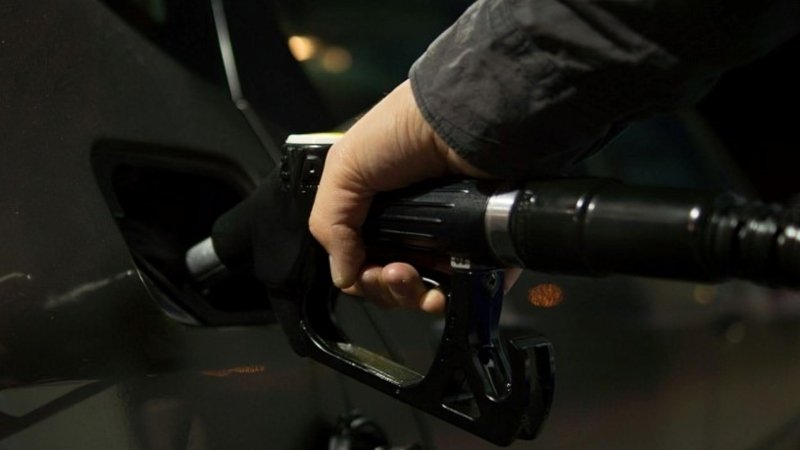
Premium fuel makes normal fuel suspicious. Drivers may question whether they’re shortchanging their automobile by choosing the cheaper option, given the higher price, cleaner pump label, and silent promise of superior performance. Some automobiles require premium fuel. Many see it as an expensive habit disguised as maintenance. Your engine’s construction determines the answer, not what the petrol station clerk thinks is responsible.
Reputable suppliers of premium auto parts, such as Parts Avenue, may educate regular drivers that car maintenance works best when grounded in facts, not guesswork, to help them make smarter choices. Same with fuel. The owner’s manual or fuel door usually lists the best fuel for your car. If the manufacturer recommends normal unleaded, your car will run on it. Extra premium payments may not harm anything but may not provide the desired benefits.
The Meaning of Premium Fuel
Octane determines premium fuel. It gauges engine fuel resistance to preignition. Knocking, pinging, or early starting can affect engine health. Premium fuel is better for high-pressure engines due to its higher octane rating. Not all vehicles may use cleaner, stronger, or more powerful premium fuel. Fuel does not boost horsepower in an unprepared engine. This fuel resists pressure combustion better than conventional fuel.
When Premium Fuel Pays off
Some autos demand premium gas. These requirements influence many high-performance, premium, turbocharged, and high-compression engines. These engines’ high-pressure combustion chambers require slow-igniting fuel. If your manual transmission needs premium fuel, the engine may stress, knock, and perform poorly. Modern engines include sensors that adjust timing to prevent damage, but regular fuel is still harmful. The automobile defends itself. Premium fuel doesn’t help. This is essential for vehicle operation.
When Premium Fuel Is Probably Wasted
No need for premium gasoline if your automobile suggests unleaded. Small cars, sedans, SUVs, and work vehicles operate well on unleaded petrol. Premium in these cars seems to be about engine care, but it’s hardly obvious. Some drivers think premium fuel gets better mileage. Improvements in most regular-fuel vehicles are too little to justify the cost. Some people believe premium fuel cleans the engine better. Detergent quantities are not octane-dependent. Modern cleaning standards apply to decent, regular petrol. Maintenance typically works better. Clean filters, spark plugs, tire pressure, and oil boost performance more than premium fuel.
Recommendations Matter
Manual wording matters. Premium fuel is required. ‘Recommended’ means premium fuel may improve engine performance, but normal fuel is acceptable. Under hard driving, towing, or hot weather, acceleration or reaction may improve. Regular fuel is usually sufficient for city driving and commuting. For clarity, compare each over several full tanks while noting mileage and performance. Avoid judging results from a single fill-up due to traffic, weather, and driving patterns.
The Smart Pump Choice
Premium fuel is beneficial to your engine when needed. When your engine is not working, it is wasteful. The ideal option is not the most expensive. It best complements your vehicle’s design. Before spending more at the petrol station, read the instructions, comprehend the vocabulary, and consider how you drive. No premium maintenance is needed for a healthy, regular-fuel car. You need the right gas, proper maintenance, and a driver who knows when to spend more.
