
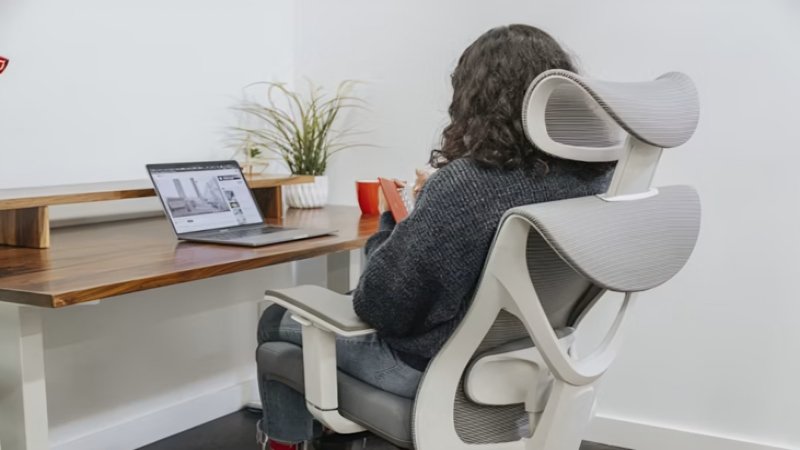
In today’s fast-paced world, the importance of workplace safety and efficiency cannot be overstated. Organisations are increasingly looking to experts who can help design spaces that promote health, comfort, and productivity. But what does an ergonomics consultant do? These professionals specialise in assessing and optimising environments to reduce physical strain and enhance overall well-being. Employing a blend of science and design, ergonomics consultants offer invaluable insights to improve various settings, from corporate offices to industrial facilities.
Understanding Ergonomics: A Science of Work
Ergonomics is the scientific discipline concerned with understanding the interactions among humans and other elements of a system. The goal is to optimise human well-being and overall system performance. It encompasses a range of factors, including human anatomy, physiology, engineering, and psychology. Ergonomics aims to design tasks, equipment, and environments to fit the user, rather than forcing the user to fit the system.
Key Responsibilities of an Ergonomics Consultant
Ergonomics consultants have a pivotal role in numerous industries, regularly undertaking a variety of tasks to ensure optimal work environments.
Workplace Assessments
A core duty of an ergonomics consultant is to carry out comprehensive workplace assessments. These evaluations help identify potential stressors that could lead to discomfort or injury. They scrutinise everything from the physical layout of a workstation to the cognitive demands placed on an employee. By identifying areas of risk, consultants can suggest modifications that mitigate potential health issues.
Equipment Design and Recommendations
Ergonomics consultants often collaborate with designers and manufacturers to create and recommend tools and equipment that align with ergonomic principles. This may involve designing chairs that support natural posture or keyboards that reduce the risk of repetitive strain injuries. Consultants ensure that equipment design meets both the functional requirements of a job and the ergonomic needs of the user.
Training and Education
Educating employees on proper ergonomic practices is another key aspect of a consultant’s duties. This could include training sessions on correct postures, the effective arrangement of workstations, and the use of ergonomic equipment. Training empowers workers to make informed decisions that can enhance their comfort and efficiency in daily tasks.
The Impact of Ergonomics on Workforce Productivity
Ergonomics consultants significantly impact productivity by designing environments that facilitate ease of use and minimise fatigue. When workstations are ergonomically optimised, employees can maintain higher levels of focus and efficiency. This directly correlates with increased productivity and a reduction in the number of work-related injuries or absenteeism.
Ergonomics in Different Work Settings
The role of ergonomics varies considerably across different industries and environments.
Office Ergonomics
In office settings, ergonomics focuses on desk layouts, screen placements, and seating arrangements. Consultants assess factors such as lighting, noise levels, and equipment positioning to create an ideal workspace. The result is often seen in improved comfort and reduced incidences of musculoskeletal disorders.
Industrial Ergonomics
In industrial environments, the emphasis is placed on the physical demands of manual labour. Ergonomics consultants may assess workflows, task execution, and machinery design to ensure safety and efficiency. They aim to minimise repetitive motions and awkward body positions that can lead to injuries, enhancing both safety and production output.
Healthcare Ergonomics
Within healthcare, ergonomics plays a crucial role in the design of medical instruments and patient care settings. Consultants consider the physical demands on healthcare workers and the comfort of patients. An ergonomic focus in healthcare settings can lead to improved care delivery and reduced risk of injury among staff.
Collaboration and Innovation
Ergonomics consultants work closely with a range of stakeholders, from HR teams to engineering departments. Their role often involves collaboration with architects and interior designers to create ergonomic spaces from the ground up. By remaining abreast of the latest research and innovations, ergonomics consultants can apply cutting-edge solutions to complex ergonomic challenges.
Addressing Emerging Ergonomic Challenges
The evolving nature of work presents new ergonomic challenges. With the rise of remote work, ergonomics consultants must address the unique needs of home offices, where individuals may lack suitable workstations. Remote setup assessments and virtual consultations have become vital tools in maintaining ergonomic standards outside traditional workplaces.
Linking Ergonomics with Technology
Modern ergonomics increasingly intersects with technology. Ergonomics consultants are exploring ways to integrate wearable devices and smart technologies into ergonomic solutions. These innovations can offer real-time data on posture and movement, enabling timely interventions that prevent injury and enhance performance.
Future Directions for Ergonomics Consultancy
As the workplace continues to evolve, the role of ergonomics consultants is likely to expand. The increasing focus on health and well-being in the workplace will drive greater demand for ergonomic expertise. Future trends may include personalised ergonomic solutions and broader applications of ergonomic principles in digital environments.
The role of an ergonomics consultant is not only pivotal to creating safer, more effective work environments but also integral to fostering a culture of well-being and efficiency. By understanding the nuanced needs of various work settings and keeping pace with technological advancements, ergonomics consultants help navigate and shape the future of work. To delve deeper into this fascinating field, visit What Does an Ergonomics Consultant Do to explore more about this vital profession.
