
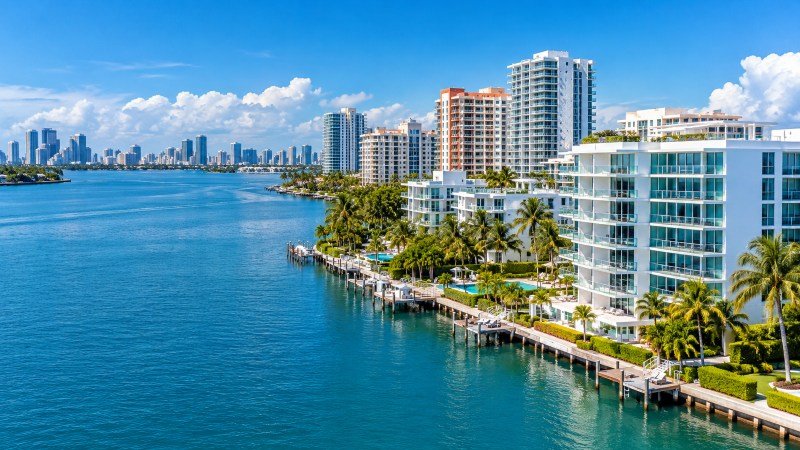
Buying near the ocean or bay in Miami Beach, Florida, is about more than choosing a view, a floor plan, or a favorite block. The right property should work for daily life while fitting a realistic plan for insurance, maintenance, building requirements, and future resale.
Buyers comparing homes for sale in Miami Beach can use Carmenate / Duchon’s localized property-search resource to compare residences across South Beach, Mid-Beach, North Beach, and nearby coastal communities. Their focus on local residential searches is useful because Miami Beach buyers often need to weigh building type, proximity to water, walkability, parking, and ownership rules simultaneously.
Why Coastal Due Diligence Matters
Miami Beach homes are exposed to humidity, wind-driven rain, salt air, high tides, and intense summer downpours. Those conditions do not make a property unsuitable, but they make preparation important. Two similarly priced homes can create very different ownership experiences if one has newer impact protection, better drainage, updated mechanical systems, or stronger building reserves. A water view also does not automatically provide a dock, direct water access, or the same degree of privacy and storm protection as another waterfront property.
Set A Realistic Budget
Build a budget that includes the purchase price, down payment, closing costs, property taxes, insurance, association fees, and a maintenance reserve. Condo buyers should also allow for possible special assessments. Home buyers should set aside funds for roofs, HVAC systems, windows, plumbing, drainage, and waterfront features.
For example, a lower-priced condo can cost more each month than a higher-priced alternative if its association fee is materially higher, its insurance needs are greater, or major building work is anticipated. Compare the complete monthly picture before deciding which home represents the better value.
Check Flood Risk And Elevation
Review the flood zone, available elevation certificate, drainage history, prior water intrusion, permits, and seller disclosures during due diligence. The City of Miami Beach notes that most local buildings are within a Special Flood Hazard Area, so buyers should use the city’s flood insurance guidance to understand local risk, coverage considerations, and available flood-related information.
Documents To Request
- Current flood-zone and elevation information, when available.
- Records of flood repairs, water intrusion, drainage work, and insurance claims.
- Permits for additions, enclosures, seawalls, docks, and major renovations.
- Notices involving required mitigation work or unresolved code issues.
Review Insurance Costs Before Making An Offer
Request insurance quotes during the inspection period rather than waiting until closing approaches. Ask licensed insurance professionals about homeowners, windstorm, and flood coverage; deductibles; replacement-cost limits; and whether roof age, electrical systems, windows, claim history, or elevation affect eligibility or pricing. Premiums can vary significantly by address, construction, coverage selection, and property characteristics.
Inspect The Property For Coastal Wear
A general inspection is essential, but coastal homes can require specialist input. Prioritize roof age and condition; impact windows and doors; shutters; electrical panels; corrosion around outdoor HVAC equipment; plumbing; water heaters; moisture; mold; and signs of repeated intrusion. For waterfront homes, arrange a qualified review of seawalls, docks, drainage features, and water access. Older roofs, unusual designs, and substantial renovations are additional reasons to bring in appropriate licensed specialists.
Evaluate Condo Buildings Carefully
A condo purchase is also an investment in a shared building system. Review the current budget, financial statements, reserves, recent and pending assessments, meeting minutes, master insurance coverage, and inspection or structural-review records. Minutes can reveal discussions about concrete restoration, balconies, elevators, roofs, plumbing, or other expensive projects. A low monthly fee may be less attractive if reserves are limited and significant work is approaching.
Compare Miami Beach Areas By Lifestyle
There is no single best Miami Beach area for every buyer. Instead, match the property to your priorities:
- Walkability: Test access to dining, groceries, parks, beaches, and daily services.
- Quiet living: Visit around nightlife hours, events, school drop-off, and weekends.
- Water access: Verify whether a listing offers beach access, a bay view, a dock, or only a partial outlook.
- Second-home needs: Check security, management services, parking, and rental rules.
- Resale appeal: Consider views, outdoor space, layout, parking, condition, and nearby development.
When possible, revisit a favorite property in both dry and rainy conditions. That simple step can provide a clearer sense of traffic flow, noise, parking, and drainage.
Use Market Data Without Chasing Headlines
Use recent comparable sales, inventory, days on market, price reductions, and sale-to-list-price patterns to frame negotiations. Citywide or countywide trends may not reflect a specific tower, street, or waterfront segment. Recent Miami Beach vacation-home market reporting also underscores the importance of studying cash activity and local demand rather than relying on a single headline.
Questions To Ask Before Making An Offer
- Which comparable sales support the asking price?
- Are there known flood, insurance, permit, structural, or repair concerns?
- What is included with the sale, including parking, storage, appliances, or dock equipment?
- Are there pending assessments, association disputes, rental limits, or remodeling restrictions?
- How flexible is the seller on inspection repairs and closing timing?
Complete A Pre-Closing Review
- Confirm inspection findings and agreed repairs.
- Secure acceptable insurance coverage and review deductibles.
- Review title, survey, permits, disclosures, and association documents.
- Verify financing, appraisal, and final cash-to-close figures.
- Complete a final walkthrough and confirm keys, access devices, parking, and storage.
Conclusion
Buying a Miami Beach home near the water requires a careful balance of lifestyle goals and practical review. By evaluating flood exposure, insurance, property condition, association finances, neighborhood fit, and local comparable sales before submitting an offer, buyers can reduce surprises and choose a home that supports both coastal living and long-term ownership.

Malik Bilal is the Editor at World Outstanders. With 3+ years of experience in business and technology writing, he creates clear, research-driven content on business, tech, health, and lifestyle topics, always focused on accuracy, trust, and practical value.