
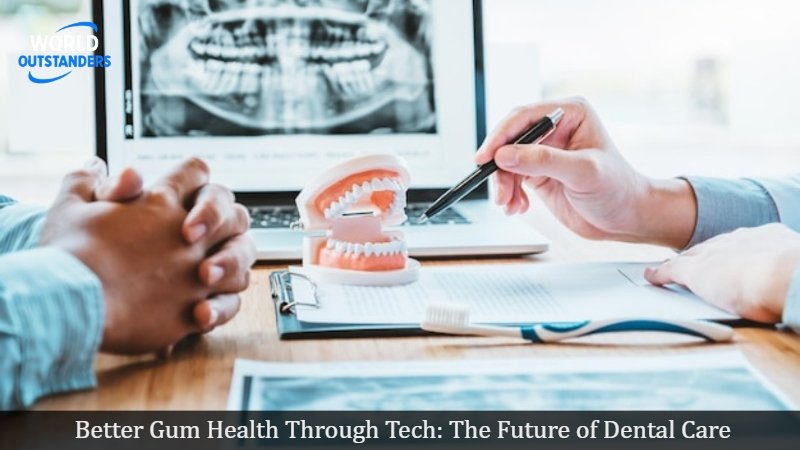
Maintaining healthy gums has long been a cornerstone of overall oral wellness. With advances in technology, dental care is no longer limited to routine cleanings and manual treatments. Modern tools and procedures are transforming the way dentists approach gum health, making treatments more precise, effective, and patient-friendly. From minimally invasive procedures to digital monitoring, technology is helping prevent gum disease before it becomes a serious issue.
Laser Treatments for Sensitive Gums
One of the most significant innovations in gum care is the use of lasers. Unlike traditional surgical methods, laser technology allows dentists to target problem areas with extreme accuracy, reducing pain, bleeding, and recovery time. Patients with sensitive gums, who may have previously avoided professional treatments due to discomfort, can now experience effective care that is gentle on tissue. Those seeking advanced options can explore ways to discover minimally invasive laser gum treatment for sensitive gums, which offers an improved patient experience and enhanced long-term results.
Laser treatments are particularly effective for treating periodontal disease. The technology works by removing inflamed tissue, sterilising pockets around teeth, and promoting faster healing. For individuals with chronic gum issues, lasers provide a minimally invasive option that can be repeated if necessary, reducing the need for more extensive surgeries in the future.
Digital Monitoring and Diagnostics
The integration of digital technology into dentistry is also revolutionising preventive care. Tools such as intraoral scanners, digital x-rays, and 3D imaging enable dentists to detect early signs of gum disease with remarkable precision. These technologies not only improve diagnostic accuracy but also allow patients to visualise the state of their oral health in real time.
For example, digital scanning can identify areas of gum recession or inflammation long before symptoms become noticeable. Dentists can then design personalised treatment plans that address the underlying cause rather than simply managing symptoms. This proactive approach is particularly beneficial for patients prone to gum disease or those with systemic health conditions such as diabetes, which can exacerbate oral health problems.
Smart Dental Devices at Home
Beyond clinical settings, technology is making daily gum care more efficient. Smart toothbrushes, oral irrigators, and even connected dental devices now provide real-time feedback on brushing technique, pressure, and coverage. By tracking oral hygiene habits, these devices help prevent plaque buildup and early gum inflammation.
Some smart devices even sync with mobile apps to remind users when it’s time for a check-up or cleaning, creating a seamless connection between home care and professional monitoring. This integration empowers patients to take charge of their gum health, reducing the risk of long-term problems and the need for invasive interventions.
Advanced Periodontal Therapies
Technological innovation has also expanded the range of treatment options for advanced gum disease. In addition to lasers, regenerative procedures now allow dentists to restore lost gum and bone tissue using biocompatible materials. These therapies help patients regain oral function and aesthetics while maintaining a healthy foundation for natural teeth.
Combined with accurate imaging and digital planning, regenerative therapies can be tailored to each patient’s unique anatomy, ensuring higher success rates. The use of guided surgical techniques further minimises complications and shortens recovery times, marking a significant shift from traditional, more invasive periodontal surgeries.
Personalized Dental Care Through AI
Artificial intelligence (AI) is beginning to play a role in customised dental care. Machine learning algorithms analyse patient data to predict the risk of gum disease. This allows dentists to recommend personalised preventive strategies for each patient. AI-driven tools also optimise treatment plans by simulating outcomes. They evaluate the effectiveness of different approaches before procedures are performed.
For patients, this means treatments are not only more precise but also more predictable, reducing uncertainty and improving satisfaction. Dentists can focus on evidence-based interventions, and patients gain confidence knowing their care is guided by comprehensive, data-driven insights.
Integration With Restorative Dentistry
Healthy gums are crucial for the success of restorative dental procedures such as crowns, bridges, and implants. Maintaining gum integrity ensures that restorative work lasts longer and functions better. As technology advances, dentists are able to combine gum treatments with restorative procedures, optimising both health and aesthetics. For a comprehensive overview, patients can explore different types of dental restoration procedures to understand how gum health supports overall oral restoration outcomes.

Malik Bilal is the Editor at World Outstanders. With 3+ years of experience in business and technology writing, he creates clear, research-driven content on business, tech, health, and lifestyle topics, always focused on accuracy, trust, and practical value.