
Joint problems often start slowly after years of small habits adding up, such as sitting too long, moving the wrong way, or ignoring little aches because you’re busy. However, joints respond incredibly well to small lifestyle shifts. You don’t need an extreme fitness routine or a strict wellness overhaul. It’s often the subtle, everyday adjustments that keep your knees, hips, shoulders, and spine working smoothly for decades. Let’s explore a few surprisingly effective habits that can make a real difference over time.
Move Often
Human joints were designed for motion, but the problem is that modern life prefers stillness. Long hours at desks, on couches, or in cars cause joints to stiffen and the surrounding muscles to weaken. When muscles lose strength, joints absorb more stress than they should.
Instead of relying on one daily workout, think in terms of regular movements throughout the day. Stand every 30 to 40 minutes. Stretch our hips, walk while taking phone calls, and use stairs instead of elevators when possible. These micromovements keep joints lubricated and prevent the gradual stiffness that often leads to long-term issues.
Perform Strength Exercises
People often think flexibility protects joints. It helps, but strength is the real guardian. Strong muscles act like shock absorbers. They stabilize joints and reduce pressure on cartilage and ligaments. You don’t need to become a gym enthusiast.
Two or three strength sessions per week are enough to build supportive muscle around key areas like the knees, hips, and shoulders. Focus on movements that mimic real life, like squats, lunges, push-ups, and rows. These exercises train the body to move efficiently, which helps joints stay aligned during everyday activities like climbing stairs, carrying groceries, or lifting luggage. Consulting with experts at Physical Therapy The Woodlands can provide personalized guidance to ensure exercises are performed safely and effectively, maximizing joint support and mobility.
Pay Attention to Sitting and Standing
Posture sounds boring, but it shapes joint health over the years. When your head leans forward toward a screen, the neck and shoulder points carry extra weight. When your hips stay tucked under a slouched chair, the lower back stiffens, and the knees compensate. Try a simple posture reset a few times a day:
- Sit tall
- Roll the shoulders back
- Keep feet flat on the floor
Standing posture matters too. Balanced weight across both feet reduces strain on one side of the body. Small corrections today can prevent uneven joint wear later.
Treat Small Discomforts
One of the most common mistakes people make is ignoring minor aches. A little stiffness after exercise, a knee that feels slightly unstable when going downstairs, or a shoulder that clicks during certain movements are early signals of your body’s warning system.
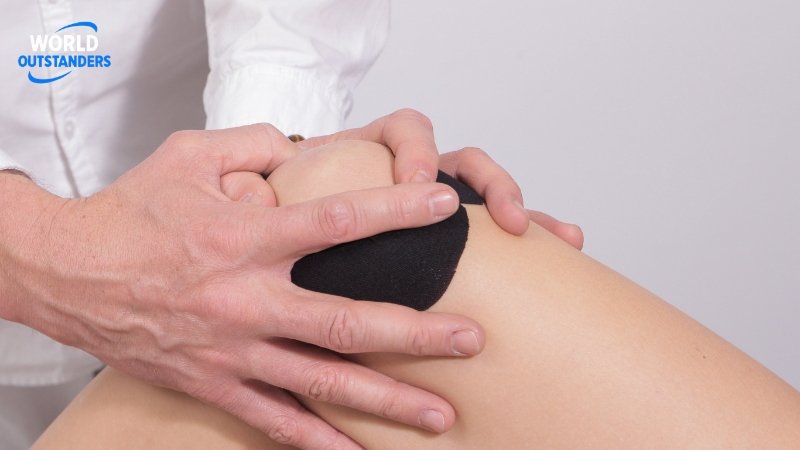
Many people begin exploring solutions for managing knee pain only after the discomfort becomes persistent. This is not supposed to be so. Addressing small mobility issues early can prevent these mild symptoms from turning into chronic conditions. In some cases, complementary therapies such as deep tissue massage may also help improve circulation and reduce muscle tension around the joint, supporting overall recovery and mobility.
Maintain a Healthy Body Weight
Joints are remarkably resilient, but they do have limits. Every extra pound of body weight adds several pounds of pressure to weight-bearing joints, particularly the knees and hips. Over time, that additional load accelerates cartilage breakdown. Modest weight changes can significantly reduce joint stress.
Endnote
Long-term joint health is the result of dozens of small decisions repeated daily. Move more, strengthen your muscles, pay attention to posture, and respond early to discomfort instead of ignoring it. These simple habits compound over time, protecting the structures that allow you to walk, explore, work, and stay active.
