
If you’re preparing for a drug test, one of the most important questions isn’t just if you’ll be tested. It’s also how the test will be conducted. Because not all drug tests are the same.
Two of the most common methods, urine and saliva tests, work very differently, detect different timeframes, and can lead to completely different outcomes depending on your situation.
Understanding these differences is crucial for drawing the line between guessing and actually being prepared.
Why the Type of Drug Test Matters
Most people focus only on how long substances stay in the body. But that’s only part of the picture. The type of test determines:
- What is being detected (recent use vs past use)
- How long substances remain detectable
- How sensitive the test is
- How easy it is to pass or fail
This is why someone might pass one type of test and fail another, even within the same timeframe. This is especially important with THC testing, since it tends to stick around for way longer than other substances.
How Urine and Saliva Tests Actually Work
Both urine and saliva tests are designed to detect drugs, but they do so in fundamentally different ways.
Urine tests focus on metabolites, which are byproducts your body creates after processing substances. These metabolites stay in the system long after the effects wear off.
Saliva tests, on the other hand, typically detect active substances or very recent presence in the mouth and bloodstream.
Key differences in what they measure:
- Urine tests detect processed metabolites stored in the body
- Saliva tests detect recent use, often within hours
- Urine reflects past exposure, while saliva reflects recent activity
This difference alone explains why their detection windows vary so much.
Urine vs Saliva Drug Test Comparison
Here’s a clear side-by-side breakdown:
| Feature | Urine Test | Saliva Test |
| What it detects | Metabolites (e.g. THC-COOH) | Active drug compounds |
| Detection window | Days to weeks | Hours to a few days |
| Best for | Identifying past use | Identifying recent use |
| Accuracy | High (lab-confirmed) | Moderate to high |
| Common use cases | Employment, legal testing | Roadside, workplace checks |
| Collection method | Urine sample | Mouth swab |
| Invasiveness | Moderate | Low |
| Tampering risk | Higher (but monitored) | Lower |
| Time to results | Minutes to days | Minutes |
| THC detection (typical) | 3–30+ days | 1–3 days |
This table highlights the core truth: urine tests look further back, while saliva tests focus on the present.
Why Urine Tests Are More Common
Urine testing has been the standard for years, especially in employment and legal settings. The reason is simple – it provides a longer detection window and more consistent results.
Here’s why urine testing is still widely used:
- It can detect drug use from days or even weeks ago
- It provides measurable metabolite levels
- Established lab confirmation processes support it
Because of this, urine tests are often seen as more reliable when screening for patterns of use rather than just recent exposure.
Where Saliva Testing Fits In
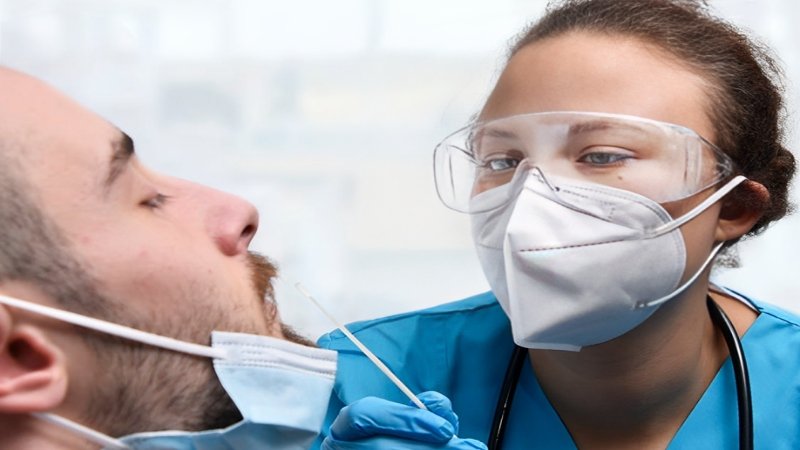
Saliva testing is becoming more popular, especially in situations where recent use matters more than past behavior.
For example, roadside testing or workplace safety checks often rely on saliva tests because they can indicate if someone may have used substances recently.
However, the shorter detection window also means they’re less useful for identifying long-term patterns.
Different Tests, Different Outcomes
One of the most confusing aspects of drug testing is that results can vary depending on the method used. Someone might test negative on a saliva test but still test positive on a urine test days later. This isn’t an error. It’s simply a reflection of what each test is designed to detect and how it detects the targeted substance.
This is where many people make mistakes. They assume a single timeline applies to all tests, when in reality, the method changes everything.
How To Understand Your Timeline
Because urine tests can detect substances for much longer, preparation often requires more awareness of your personal detox timeline.
Tools like a THC detox calculator can help estimate how long metabolites may remain detectable based on your usage patterns and body composition.
While not exact, this gives you a more realistic expectation compared to generic timelines, AND it takes your individual factors into consideration.
Why At-Home Testing Gives You an Advantage
When dealing with urine testing in particular, relying on assumptions can be risky.
Using a 5-panel at-home urine test allows you to check your status before any official screening. Test kits, like Exploro’s, match the cutoffs and standards of the official Federal 5 test. So, instead of guessing, you can see whether substances are still detectable and track your progress over time.
This is especially useful because urine detection windows can vary so widely between individuals.
Smart Preparation Based on Test Type
Preparing for a drug test isn’t just about time. You need to understand which test you’re facing and adjust accordingly, whether it’s with habit changes or testing at home up front.
A few practical strategies include:
- Identifying the type of test ahead of time whenever possible
- Allowing extra buffer time for urine tests due to longer detection times
- Avoiding last-minute assumptions based on general timelines
- Monitoring your status rather than relying on guesswork
This approach reduces uncertainty and helps you make informed decisions.
Final Thoughts
Urine vs saliva drug tests aren’t just different methods, because they measure completely different things. Urine tests look at past use and can detect substances for extended periods, while saliva tests focus on recent activity and clear much faster.
Understanding this difference is key.
Because when you know what kind of test you’re dealing with, you’re preparing with intention. And when it comes to drug testing, that’s what actually matters.
