
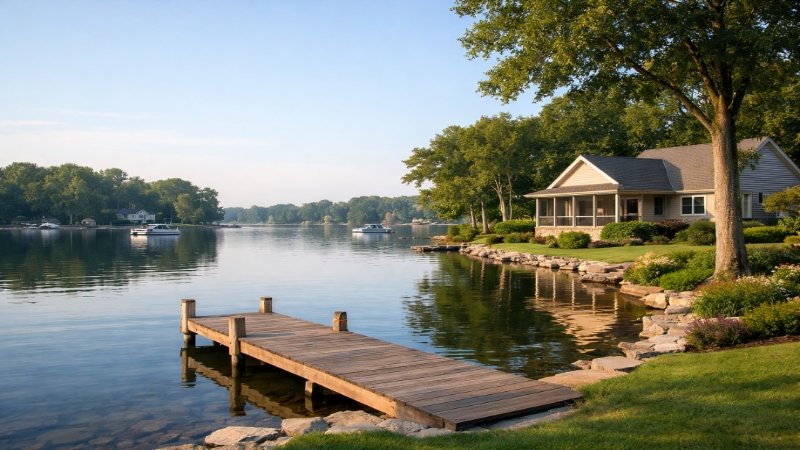
Investing in a lakefront property in Indiana offers a unique blend of serene landscapes and recreational opportunities. However, it’s crucial to understand the specific considerations that come with such a purchase to ensure it aligns with your lifestyle and financial goals. Collaborating with local experts, such as the Lake Tippecanoe IN real estate experts Deb Paton Showley Group, can provide invaluable insights into the nuances of lakefront properties in the region. The Deb Paton Showley Group, led by third-generation Lake Property Specialist Deb Paton Showley, offers extensive local knowledge and a competitive edge in the real estate market, serving the entire Kosciusko County area, including Warsaw, Syracuse, Winona Lake, and Leesburg.
Key Takeaways
- Understand the unique aspects of lakefront properties, including maintenance and community dynamics.
- Evaluate the financial implications, such as property taxes and insurance costs.
- Consider the importance of working with local real estate experts familiar with Indiana’s lakefront market.
Understanding Lakefront Property Dynamics
Lakefront homes are not just about picturesque views; they also possess distinctive characteristics that set them apart from traditional residential properties. Factors such as shoreline rights, water access, and community regulations play a significant role in the ownership experience. For example, some lakes feature private waterfronts, offering exclusive access to homeowners, while others provide shared or public access, which can affect privacy and usage rights. This variability can affect a property’s value and desirability. Additionally, owning a lakefront home often requires understanding intricate local regulations and maintaining good relationships within the community. Overall, these unique aspects make lakefront living a special and potentially rewarding experience.
Financial Considerations
Owning a lake home often entails higher costs than owning a standard home. These can include increased property taxes due to higher assessed values, additional insurance coverage for potential flood risks, and ongoing maintenance expenses for docks, seawalls, and septic systems. It’s essential to budget for these expenses to avoid unexpected financial burdens. Furthermore, the remote location of many lake properties can lead to higher utility costs and limited access to certain amenities. Seasonal upkeep and specialized repairs may also be necessary, further increasing overall financial considerations. Regular inspections and proper planning can help manage these additional expenses effectively.
Maintenance and Upkeep
The proximity to water creates unique maintenance challenges for lake homes. Moisture, shifting soil, and wind exposure can accelerate wear and tear on the property. Regular inspections and maintenance of structures like decks, siding, and seawalls are necessary to maintain the property’s value and safety. Homeowners should also consider protective measures, such as sealing wood surfaces and installing weather-resistant materials, to minimize damage. Additionally, routine assessments help identify potential issues early, preventing costly repairs later.
Community and Lifestyle Fit
Each lake community in Indiana has its own unique culture and pace. Some are bustling with boating activities and lively social events, creating a vibrant atmosphere for residents and visitors alike. Others offer a more tranquil environment, perfect for those seeking peace and relaxation by the water. Visiting potential communities during different seasons can provide valuable insight into the area’s rhythm and help determine if it aligns with your lifestyle preferences. It is also helpful to talk to current residents to gain a firsthand perspective on daily life and community involvement. Taking the time to explore these nuances ensures you find a community that truly fits your needs.
Legal and Environmental Regulations
Understanding local regulations is crucial when purchasing a lakefront property. This includes zoning laws, building restrictions, and environmental protections that may affect property modifications or usage. Consulting with local authorities or a knowledgeable real estate agent can help navigate these regulations effectively. Being aware of these rules early in the process can save time and prevent potential legal issues. Additionally, understanding property development restrictions can influence your future plans for the property, ensuring they align with local laws.
The Importance of Local Expertise
Working with a local real estate expert who specializes in lake properties can provide invaluable insights. They can guide you through the complexities of shoreline rights, community dynamics, and market trends specific to Indiana’s lakes. For example, the Deb Paton Showley Group, known as Lake Tippecanoe, IN real estate experts, offers extensive local market knowledge and can help you find a property that suits your needs.
Evaluating Resale Potential
Even if you’re planning a long-term stay, considering the property’s resale value is a wise decision. Factors such as lake frontage quality, community amenities, and overall demand in the area can influence future marketability. Properties on popular lakes with good access and well-maintained facilities tend to hold their value better over time. Additionally, market trends and local development plans can also impact future value, so researching the area’s growth prospects is beneficial. Investing in a property with strong infrastructure and community support further enhances its potential for appreciation.
Conclusion
Buying a lake home in Indiana is a significant investment that requires careful consideration of factors ranging from financial implications to lifestyle compatibility. By thoroughly researching and consulting with local experts, you can make an informed decision that leads to years of enjoyment and a sound investment.
