
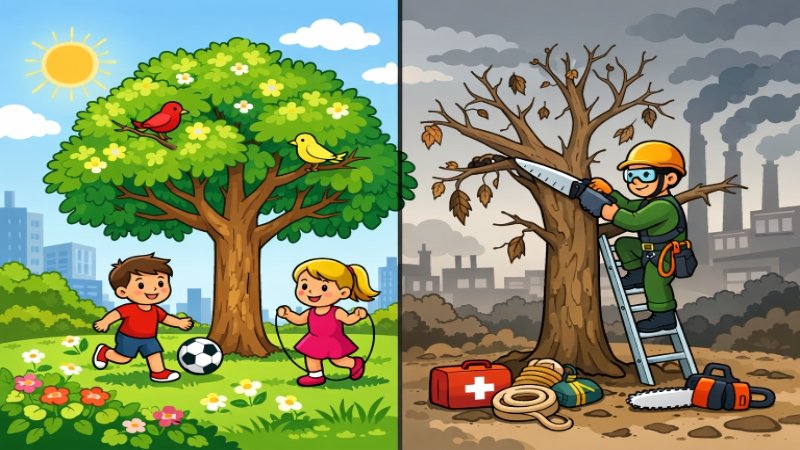
Maintaining healthy trees is crucial for the safety and well-being of Jacksonville’s neighborhoods. Trees not only enhance the aesthetic appeal of our communities but also play a significant role in environmental health and public safety. For over 60 years, Bushor’s Tree Surgeons, a reputable Jacksonville tree care company, has been dedicated to providing expert tree services to the local community. Their team of ISA-certified arborists offers comprehensive services, including trimming, pruning, removal, and emergency care, ensuring that Jacksonville’s urban forest remains both beautiful and safe.
Key Takeaways
- Healthy trees contribute to environmental stability and reduce hazards.
- Regular tree maintenance prevents potential safety risks.
- Professional tree care services are essential for managing urban forests.
The Importance of Tree Health in Urban Areas
In urban settings like Jacksonville, trees provide numerous benefits, including air purification, temperature regulation, and stormwater management. However, when trees are neglected, they can become liabilities, posing risks such as falling branches or uprooted trunks during storms. Regular maintenance by professionals, such as those at Bushor’s Tree Surgeons, helps mitigate these risks and preserves the health of the urban canopy.
Common Tree-Related Hazards
Unhealthy trees can lead to several safety concerns:
- Falling Branches: Dead or weak branches can break off, potentially injuring pedestrians or damaging property.
- Uprooted Trees: Trees with compromised root systems may topple during high winds, blocking roads and causing power outages.
- Obstructed Visibility: Overgrown trees can obstruct traffic signs and signals, increasing the risk of accidents.
Case Study: Atlantic Beach Tree Preservation Efforts
In Atlantic Beach, residents have expressed concerns over the removal of large, legacy trees due to development projects. The city has faced challenges in balancing development with tree preservation, highlighting the need for proactive urban forestry management. Engaging professional services can help create strategies that balance growth and environmental conservation.
Best Practices for Tree Maintenance
To ensure tree health and neighborhood safety, consider the following practices:
- Regular Inspections: Schedule periodic assessments to identify and address potential issues early.
- Pruning: Remove dead or diseased branches to promote healthy growth and reduce hazards.
- Soil Care: Ensure proper soil nutrition and drainage to support robust root systems.
When to Seek Professional Tree Care Services
While some tree maintenance tasks can be handled by homeowners, certain situations require professional expertise:
- Large Tree Removal: Safely removing large trees near structures or power lines.
- Disease Management: Diagnosing and treating tree diseases to prevent spread.
- Emergency Response: Addressing storm-damaged trees that pose immediate risks.
Community Involvement in Urban Forestry
Engaging the community in tree care initiatives fosters a sense of ownership and responsibility. Programs that educate residents on the benefits of healthy trees and involve them in planting and maintenance efforts can significantly enhance neighborhood safety and cohesion.
Neighborhood Safety Benefits of Healthy Trees
Healthy trees serve as a crucial buffer between neighborhoods and hazards posed by Florida’s unpredictable weather. For example, a well-maintained tree canopy helps reduce wind speeds at ground level, offering protection during hurricane season. Studies have shown that shaded areas beneath healthy trees are up to 10 degrees cooler than those without tree cover, enhancing comfort and reducing the risk of heat-related incidents. Tree roots also stabilize soil, minimizing erosion and water runoff that can flood streets and homes during storms.
Additionally, trees act as natural noise barriers by absorbing and dispersing sound waves. This effect is especially noticeable in highly trafficked urban neighborhoods. Residents often report a greater sense of peace and privacy in communities with mature, well-cared-for trees. Maintaining these buffers is vital for both comfort and long-term property value.
Economic and Environmental Impacts
The presence of healthy, mature trees in a neighborhood has been directly linked to higher property values. According to real estate data, homes with substantial shade and landscaping from established trees sell faster and at a premium compared to those lacking tree coverage. On a larger scale, healthy urban forests also reduce municipal costs by lowering the demand for stormwater treatment infrastructure and filtering air pollutants, which can translate to fewer resources spent on healthcare related to poor air quality.
On the environmental side, an acre of mature trees can absorb the same amount of carbon dioxide annually as a car produces in 26,000 miles of driving. In Jacksonville’s rapidly growing urban areas, this carbon absorption plays an important role in mitigating the city’s overall carbon footprint and supporting climate resiliency goals.
How to Choose a Tree Care Service
When selecting a tree care provider, always look for ISA-certified arborists who understand the unique needs of Jacksonville’s climate and tree species. Certified professionals not only possess the proper training in safety and equipment but can also assess trees for potential hazards invisible to the untrained eye. Request references and verify licensing, particularly for large-scale tree removal or treatment of infectious diseases like oak wilt, which has impacted cities throughout northeast Florida.
Inquire about environmentally friendly practices, such as organic fertilizers or integrated pest management. With the right guidance, you can make informed decisions that sustain both your landscape and the surrounding community for years to come.
Conclusion
Prioritizing tree health is essential to maintaining safe, vibrant neighborhoods in Jacksonville. By implementing regular maintenance practices and seeking professional assistance when necessary, residents can enjoy the numerous benefits that healthy trees provide while mitigating potential risks.
Frequently Asked Questions (FAQ)
How often should trees be inspected?
It’s recommended to have trees inspected at least once a year, preferably before storm season.
What are the signs that a tree may be hazardous?
Indicators include dead branches, leaning trunks, cracks in the bark, and signs of disease such as discolored leaves.
Can I remove a tree on my property in Jacksonville without a permit?
Regulations vary; it’s advisable to consult local ordinances or a professional tree service to determine if a permit is required.
