
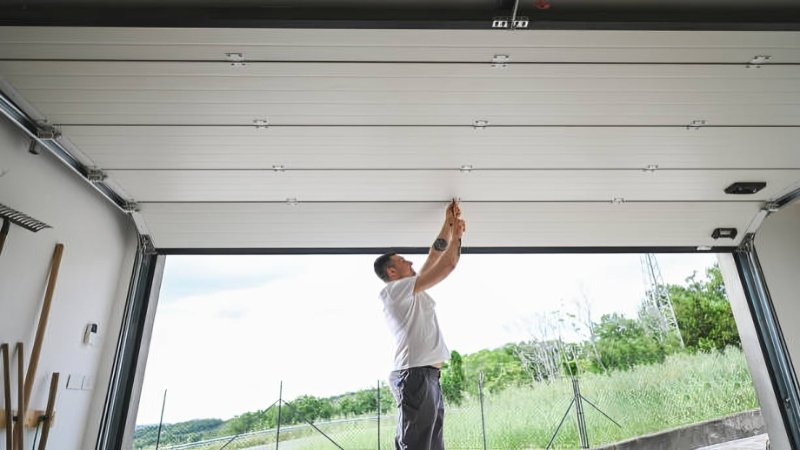
A loud door can turn a simple morning routine into a frustrating start, especially when every open and close comes with grinding, rattling, squealing, or banging. Many homeowners start searching for quick fixes, but solving noisy garage opening issues usually begins with understanding where the sound is coming from and what the door is trying to tell you. Noise is not always a sign of a major problem, but it should never be ignored. A garage system has moving parts under tension, and small issues can grow into bigger ones when they are left alone for too long.
Why Your Garage Door Gets so Loud
Garage doors are large, heavy, and used more often than most people realize. Over time, vibration, friction, worn parts, loose hardware, and poor balance can all make the system noisier.
Some sounds are easy to explain. A sharp squeak often points to dry metal parts. A deep grinding sound may come from rollers, hinges, or opener strain. A loud bang could mean something has shifted suddenly or that the spring system is struggling. Even a simple rattle can be a warning that bolts, brackets, or tracks have loosened from daily movement.
The tricky part is that one sound can have several causes. That is why guessing usually leads to frustration. The better approach is to inspect the system carefully, listen for patterns, and avoid forcing the door to run when something clearly feels off.
Start With the Simple Stuff First
Before assuming the worst, it makes sense to look at the easier causes. Many noisy garage doors are not broken. They are just dry, dirty, loose, or slightly out of alignment.
Lubrication is one of the most common missing pieces. Hinges, rollers, springs, and bearing plates all need the right garage door lubricant to move smoothly. A dry system creates friction, and friction creates noise. Still, more is not always better. Thick grease can attract dirt and make the problem worse. A light, garage-rated lubricant is usually the smarter choice.
Loose hardware is another common culprit. Each time the door opens and closes, the system vibrates. Over months and years, that movement can loosen nuts, bolts, brackets, and hinges. Tightening visible hardware can reduce rattling, but anything connected to springs, cables, or high-tension parts should be left alone. Those components can be dangerous without the right tools and experience.
Pay Attention to the Rollers
Rollers do a lot of the hard work, even though they are easy to overlook. They guide the door along the tracks and help keep movement smooth. When rollers wear down, crack, wobble, or stop spinning properly, the door may sound rough every time it moves.
Metal rollers can be louder than nylon rollers, especially on older systems. If the noise has been getting worse over time, worn rollers may be part of the problem. A roller that drags instead of turning can also strain the opener, which may cause even more noise from the motor.
If the rollers look damaged or the door shakes as it travels, it may be time to have them replaced. Smooth roller movement can make a huge difference in how the whole system sounds and feels.
Do Not Ignore the Tracks
The tracks help guide the entire door, so even a small issue can create a lot of noise. Dirt, dents, gaps, and misalignment can cause scraping, popping, or uneven movement.
A quick visual check can tell you a lot. Look for bends, loose brackets, or areas where the rollers seem to rub harder than they should. The tracks should be secure and properly aligned. If they look severely bent or the door appears crooked while moving, do not keep using the system. Continued use can put extra stress on the door, opener, rollers, and cables.
It is also important not to hammer tracks back into shape casually. That can create new alignment problems. Tracks need to be positioned carefully so the door moves safely and evenly.
When the Opener Is Part of the Noise
Sometimes the door itself is not the main source of the sound. The opener may be working too hard, vibrating against the ceiling, or showing signs of wear.
Chain-drive openers tend to be louder than belt-drive models. That does not always mean something is wrong, but if the noise has changed recently, it is worth looking closer. A strained opener may hum, grind, jerk, or shake during operation. This can happen when the door is too heavy for the opener to lift smoothly, when the door is out of balance, or when internal opener parts are wearing down.
The opener should not be doing all the work. A properly balanced door should move with less resistance. When the opener is forced to lift a door that is dragging, binding, or too heavy, noise is often one of the first signs of trouble.
The Spring System Deserves Respect
Springs help counterbalance the weight of the door. When they are working correctly, the door moves with control. When they are worn, stretched, or close to failure, the entire system can become loud and uneven.
A noisy spring may creak, snap, groan, or pop. These sounds should be taken seriously. Garage door springs are under extreme tension, and they are not safe to adjust without proper training. If the door feels heavier than usual, closes too quickly, opens unevenly, or makes sudden loud sounds near the spring area, stop using it until it can be checked.
Trying to quiet a spring problem with lubricant alone may hide the warning sign without fixing the real issue. Safety should always come first.
When Professional Help Is the Smarter Move
There is nothing wrong with handling basic maintenance, but some problems call for a trained technician. If the door is shaking, crooked, stuck, unusually heavy, or making sharp grinding or banging noises, it is better to get it checked before more damage happens.
The key point is simple: a dependable service can inspect the full system, identify the real cause of the noise, and fix worn or unsafe parts before they create a bigger problem. A trusted option can be found at https://tjsgaragedoor.com/, especially when the issue involves springs, cables, rollers, tracks, or opener strain that should not be handled through guesswork.
Professional help is also useful when the noise keeps returning after lubrication or tightening. Recurring sound usually means the root cause has not been solved yet.
Quiet Operation Starts With Regular Care
The best way to avoid loud operation is to treat the garage door as a system, not a single moving panel. Every part depends on another part. When one component starts to wear, the rest of the system often has to work harder.
A simple maintenance rhythm can help. Listen to the door once in a while without rushing away. Watch how it moves. Notice whether it shakes, sticks, drags, or closes unevenly. Keep the visible moving parts clean and properly lubricated. Tighten ordinary loose hardware when it is safe to do so. Schedule service when something feels beyond basic maintenance.
Small habits make the door quieter, smoother, and safer. They can also help extend the life of the opener and reduce the chance of surprise breakdowns.
Give Your Garage Door a Smoother Future
A noisy garage door is more than an annoyance. It is often an early warning that the system needs attention. Sometimes the fix is simple, like lubrication or tightening visible hardware. Other times, the sound points to worn rollers, track trouble, opener strain, or spring issues that should be handled carefully.
The smartest move is to respond early. Listen to the sound, look for obvious changes, and avoid forcing the door when it seems to struggle. With the right care and timely help, your garage door can return to smooth, quiet, reliable movement without the stress of constant rattling, grinding, or squeaking.

Malik Bilal is the Editor at World Outstanders. With 3+ years of experience in business and technology writing, he creates clear, research-driven content on business, tech, health, and lifestyle topics, always focused on accuracy, trust, and practical value.