
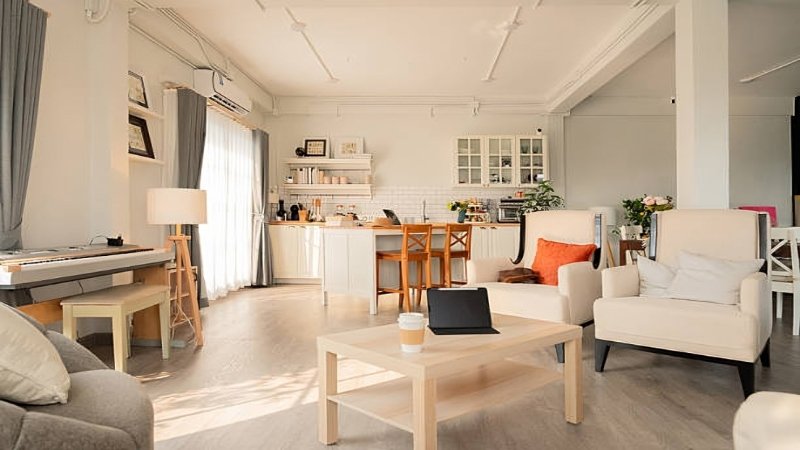
Most homes have at least one area that quietly sits below its potential. It might be a dim basement, a cramped attic, a spare room that collects boxes, a closed-off kitchen, or an awkward corner that never seems to serve a real purpose. These spaces are easy to ignore because they technically exist, but they do not truly support everyday life. The exciting part is that unused space does not always require a dramatic reinvention to become valuable.
Sometimes, the right layout, better lighting, smarter storage, and a clearer purpose can turn forgotten square footage into the most loved part of the home. Homeowners can start by thinking about how they actually live, then compare that vision with practical guidance from skilled builders in the area, especially when structure, safety, or long-term planning is involved. That balance between imagination and practicality is what turns an idea into a space that works beautifully day after day.
Start with the way the home should feel
Before choosing paint colors, fixtures, cabinets, flooring, or furniture, it helps to pause and ask a deeper question: what should this space make daily life feel like?
A family might want mornings to feel calmer, with a kitchen that has room for breakfast, backpacks, coffee, and conversation without everyone bumping into each other. Someone who works from home might need a quiet room that feels separate from the rest of the house, even if it is carved out of an attic, basement, or unused guest space. Another household may want a flexible area where kids can play, guests can stay, and hobbies can finally have a proper place.
This is where good planning becomes more personal than technical. A successful project is not just about filling space. It is about solving friction. Maybe laundry always piles up because the current setup is inconvenient. Maybe the dining room never gets used because the kitchen feels disconnected. Maybe the basement is large enough to be useful, but it feels cold, dark, and unfinished.
A room might look fine on paper and still fail in real life. That is why the best renovation ideas usually begin with routines, not materials. Think about the busiest hour of the day. Think about where people gather, where clutter builds, where privacy is missing, and where the home feels harder to use than it should. Those answers often reveal which areas deserve attention first.
The biggest mistake is assuming every unused space should become a showpiece. A beautiful room is great, but beauty alone will not fix an inconvenient layout or an unclear purpose. A finished attic that nobody uses is still wasted space. A basement with expensive finishes but poor lighting will still feel uninviting. A kitchen with premium surfaces but limited movement will still frustrate people. Function has to guide the design.
A helpful way to approach the project is to imagine the space five years from now, not just the day it is finished. Will it still make life easier? Will it still support the household as needs change? Will it feel timeless enough to avoid regret? This long-term mindset is especially important for flexible spaces, according to Ten Key Home & Kitchen Remodels OKC, because comfort and usefulness should grow with the home. That perspective keeps the project focused on daily value, not short-lived excitement.
Give forgotten rooms a real purpose
Unused spaces often stay unused because they have no clear role. Once a room has a defined purpose, design decisions become much easier.
An attic, for example, can become a quiet office, a reading room, a guest retreat, or a creative studio. A basement can become a family room, media space, workout area, playroom, or extra living zone. A small spare room might become a functional storage hub, craft room, homework nook, or private place for calls and focused work. Even a wide hallway, landing, or alcove can become useful with built-in storage, seating, shelving, or better lighting.
The key is to avoid forcing a trend onto a home where it does not belong. Not every household needs a home gym. Not every basement should become a bar. Not every attic needs to become a bedroom. A space should answer a real need, not simply copy something popular online.
Once the purpose is clear, the details start to make sense. A guest room needs comfort, privacy, outlets, lighting, and storage. A home office needs quiet, good airflow, task lighting, and a background that feels professional enough for video calls. A playroom needs durable surfaces, soft edges, easy cleanup, and storage that children can actually use. A media room needs lighting control, seating flow, and sound considerations.
The best spaces often feel simple when they are finished, but that simplicity usually comes from thoughtful decisions made early.
Make light, movement, and comfort work together
A space can be technically finished and still feel uncomfortable if it lacks light, flow, or warmth. These three elements often determine whether people actually use the room.
Lighting is one of the biggest mood changers. Natural light is ideal when available, but not every unused area has large windows or ideal exposure. Layered lighting can make a huge difference. Ceiling lights create general brightness, wall sconces add warmth, lamps make the room feel lived in, and task lighting supports specific activities. In darker rooms, lighter finishes, mirrors, glass doors, and thoughtful fixture placement can help the space feel more open.
Movement is just as important. A room should be easy to enter, easy to move through, and easy to use without awkward obstacles. This matters in kitchens, basements, additions, bathrooms, and converted spaces. A beautiful layout that creates bottlenecks will quickly become annoying. Walkways, door swings, furniture placement, storage access, and sightlines all deserve attention.
Comfort ties everything together. Good insulation, proper ventilation, moisture control, sound management, and durable materials can make the difference between a room people love and one they avoid. This is especially important for basements and attics, where temperature, humidity, ceiling height, and airflow can create challenges.
Use storage as part of the design
Storage is rarely the most glamorous part of a project, but it is often what makes a space feel calm and usable long after the renovation is complete.
Built-ins, cabinets, drawers, benches, shelves, closets, and hidden compartments can make a room feel intentional instead of crowded. In smaller spaces, storage should work harder without overwhelming the design. A window seat can hold blankets. A mudroom bench can hide shoes. A bathroom vanity can reduce counter clutter. A kitchen island can store cookware, small appliances, or pantry overflow. A basement wall can become a clean storage system instead of a pile of bins.
Good storage also protects the purpose of the room. A guest room stops feeling restful when it becomes a dumping ground. A home office loses focus when paperwork spreads everywhere. A playroom becomes stressful when toys have no clear place to go. A kitchen becomes frustrating when everyday items are hard to reach.
The goal is not to hide everything. The goal is to give every important item a sensible home.
Plan for flexibility without making the room vague
Flexible spaces are incredibly useful, but they still need structure. A room that tries to do everything can end up doing nothing well.
The trick is to choose a primary purpose and one or two secondary uses. A guest room can also serve as an office if the desk, bed, lighting, and storage are planned together. A basement can support movie nights and playtime if zones are clearly defined. A dining area can double as a homework or project space if storage and lighting are included from the start.
Flexibility works best when the design feels intentional. Sliding doors, foldaway desks, built-in storage, durable flooring, modular furniture, and multi-use seating can help a space shift roles without feeling messy. This is especially helpful for growing families, remote workers, empty nesters, and homeowners who want their homes to adapt over time.
Turn comfort into lasting value
A renovation does not need to be extravagant to make a home feel more valuable. Often, the most rewarding projects are the ones that remove daily frustration.
When an unused area becomes comfortable, the whole home can feel bigger without necessarily adding major square footage. A finished basement gives people room to spread out. A better kitchen makes routines smoother. A converted attic creates privacy. A refreshed bathroom makes mornings easier. A thoughtful addition can give a household the space it has needed for years.
The strongest projects combine personal comfort with practical decisions. They improve how the home feels today while making sense for tomorrow. That means choosing durable materials, planning around real routines, respecting the home’s structure, and designing spaces that feel natural rather than forced.
Unused space is not just empty square footage. It is an opportunity waiting for a clearer purpose. With the right plan, a forgotten part of the home can become a place where people gather, rest, work, create, and live more comfortably every day.

Malik Bilal is the Editor at World Outstanders. With 3+ years of experience in business and technology writing, he creates clear, research-driven content on business, tech, health, and lifestyle topics, always focused on accuracy, trust, and practical value.