
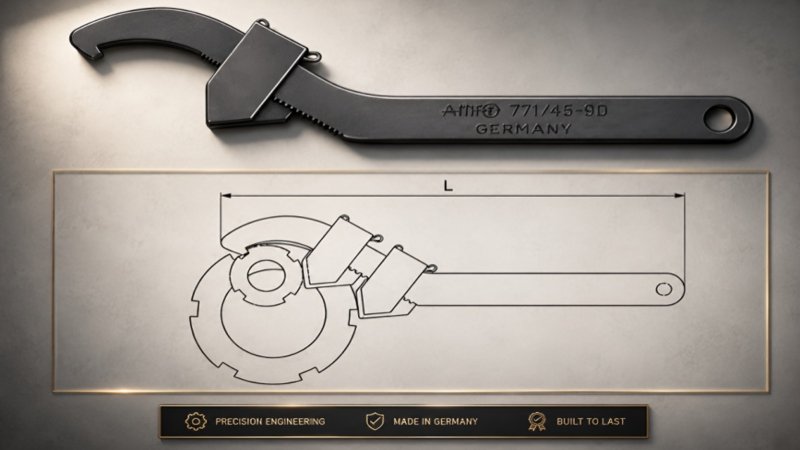
In the world of hand tools, one particular instrument often stands out for its versatility and precision: the Adjustable C Wrench. This essential tool is indispensable across various sectors, from mechanical maintenance to engineering, due to its adaptability and precision in handling a range of nuts and bolts. This article delves into the features that make the Adjustable C Wrench a vital component of any toolkit.
Understanding the Adjustable C Wrench
The Adjustable C Wrench, also known as a crescent wrench or adjustable spanner, is designed to handle different sizes of fasteners. Its key feature is an adjustable jaw which can be widened or narrowed to fit a particular size, thereby increasing its functionality across different applications. The adjustable nature of the C Wrench makes it ideal for situations where a standard fixed-size wrench would not suffice.
Applications and Uses
Adjustable C Wrenches are predominantly used in situations requiring variable tension or unique sizing. They are commonly found in automotive, plumbing, and industrial maintenance environments. For instance, an engineer might require a precise tool that can adjust to different bolt sizes without the need to change tools frequently, thus saving time and increasing productivity.
Key Features of Quality Adjustable C Wrenches
High-quality Adjustable C Wrenches are crafted from durable materials, such as chrome-vanadium steel, ensuring longevity and resistance to corrosion. Additionally, a precise moving jaw and a comfortable grip handle enhance the tool’s usability, providing both function and ease of use.
Material and Design
The selection of a durable material is essential for the longevity of the wrench. Chrome-vanadium steel not only provides strength but also offers resistance against rust and wear. This makes it suitable for various environmental conditions and prolongs the life of the tool.
Precision and Ease of Use
The ability to make precise adjustments is largely dependent on the design of the wrench’s moving parts. Quality models ensure smooth operation through a well-engineered mechanism that allows users to adjust the jaw width swiftly and accurately. A well-designed grip is also crucial, as it reduces hand fatigue during prolonged use.
Pros and Cons of Using Adjustable C Wrenches
Like any tool, Adjustable C Wrenches have their advantages and limitations. One significant advantage is their versatility, reducing the need for multiple wrenches. However, they may not provide the torque needed for tightening or loosening large or very tight fasteners. It is important to assess the demands of each task to determine whether an adjustable wrench is the most suitable tool.
Maintaining Your Adjustable C Wrench
Proper maintenance is crucial for extending the life of your Adjustable C Wrench. Regularly checking the adjustment mechanism for wear and ensuring the moving parts are lubricated can lead to smoother operation. Additionally, keeping the tool clean and stored properly when not in use can prevent corrosion and other damage.
Choosing the Right Adjustable C Wrench
When selecting an Adjustable C Wrench, consider the tasks it will be used for. Ensure it is made of high-quality material and provides the appropriate jaw size range for your needs. Comfort and grip are also important factors, particularly if the tool will be used frequently.
Finding the Right Supplier
Ensuring you purchase from a reputable supplier is essential for acquiring a genuine and high-quality product. Suppliers like Maxiloc offer a range of industrial supplies that are trusted by professionals. Their products undergo stringent quality checks, making them a reliable choice.
Conclusion
Mastering the use of an Adjustable C Wrench not only increases efficiency but also ensures that tasks are performed with precision and care. Its versatility and adaptability make it an invaluable tool in both professional and home settings. By selecting a quality wrench and maintaining it properly, users can enjoy the benefits of this essential tool for years to come. Understanding the tool’s features, applications, and maintenance requirements are key to getting the most out of it.

Malik Bilal is the Editor at World Outstanders. With 3+ years of experience in business and technology writing, he creates clear, research-driven content on business, tech, health, and lifestyle topics, always focused on accuracy, trust, and practical value.