
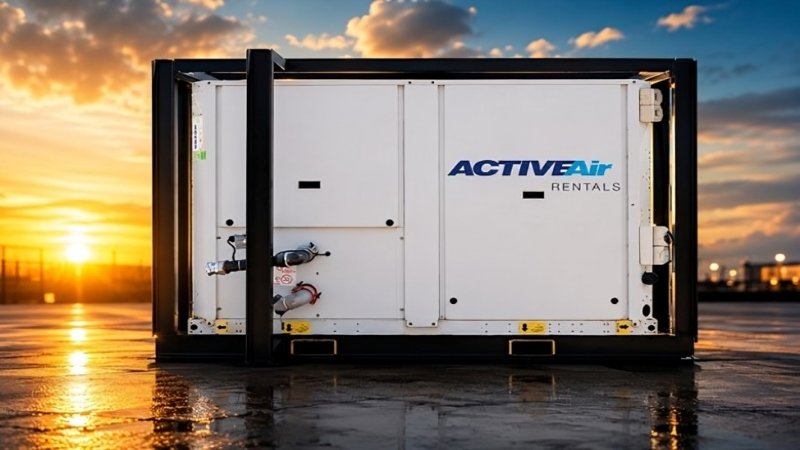
When it comes to finding the ideal cooling solution for various applications, a portable chiller often stands out as a versatile and efficient option. Whether you are in need of temporary cooling for an event, a backup solution for your industrial processes, or any other application that requires flexible cooling capacity, portable chillers answer many challenges efficiently.
Understanding Portable Chillers
Portable chillers are compact, mobile units that provide cooling capabilities without the permanent infrastructure associated with stationary systems. They are designed to be easily transported from one location to another, making them ideal for temporary or supplemental usage. In essence, their functionality mirrors that of central chilling systems but on a smaller, more adaptable scale.
Applications of Portable Chillers
Portable chillers can be used across a myriad of applications, from industrial processes to commercial and domestic needs. Industries such as manufacturing, medical, food and beverage, and events frequently turn to portable chillers to manage their cooling requirements efficiently. These units are particularly beneficial in scenarios where traditional fixed systems might be unsuitable or overly complicated.
Industrial Use
In industrial settings, portable chillers serve as excellent backup systems or as supplements to existing cooling infrastructure. They can help manage the cooling needs during maintenance of permanent systems or coalesce seamlessly as part of a modular system to increase capacity without a full overhaul.
Events and Exhibitions
For events and exhibitions, the demand for a temporary yet reliable cooling solution is paramount. Portable chillers offer the perfect blend of convenience and performance, ensuring that climate control needs are met without committing to permanent installations.
Key Features to Consider
When selecting a portable chiller, several key features should be considered to ensure it effectively meets your needs. These features can significantly impact performance and cost-effectiveness, both in the short and long term.
Cooling Capacity
The cooling capacity of a portable chiller is critical and should align with your specific requirements. Whether you need light cooling for a small event or substantial capacity for industrial processes, understanding and matching the chilling power to your needs is crucial.
Energy Efficiency
Energy efficiency not only contributes to overall cost savings but also impacts the environmental footprint of your operations. Opt for chillers that are designed with energy-saving technologies to maximise efficiency without compromising on performance.
Choosing the Right Model
Selection also depends heavily on the environment in which the chiller will operate. Consideration should be given to factors such as ease of installation, mobility, and maintenance support. Thoroughly evaluating these elements can aid in selecting a model that provides an optimal balance of performance, durability, and convenience.
Environment and Mobility
Ensure that the chiller is suited to the physical and logistical needs of your specific environment. Models that are easily manoeuvrable and adaptable to different locations and climates will be more beneficial for dynamic operational setups.
Maintenance and Support
Easy availability of maintenance services and support plays a critical role in the long-term viability of portable chillers. Opt for models that are known for reliability and come with robust service agreements.
Conclusion
Choosing the perfect portable chiller requires a comprehensive assessment of your specific needs and the unit’s features. By considering factors such as cooling capacity, energy efficiency, and operational environments, you can select a chiller that not only meets your immediate demands but also supports long-term costs and efficiency goals. With the right choice, a portable chiller can offer a flexible and effective solution to a wide variety of cooling challenges.

Malik Bilal is the Editor at World Outstanders. With 3+ years of experience in business and technology writing, he creates clear, research-driven content on business, tech, health, and lifestyle topics, always focused on accuracy, trust, and practical value.