
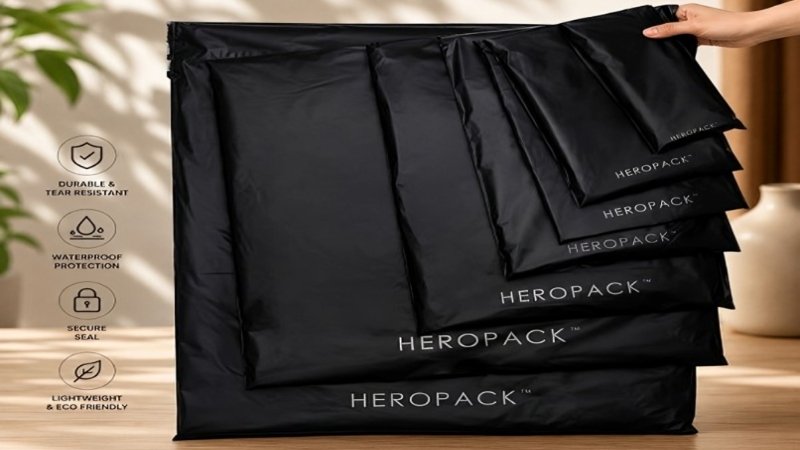
With the rise of environmental awareness, businesses and consumers are increasingly seeking more sustainable packaging options. One such innovation that’s gaining considerable traction is compostable mailers. These mailers represent a significant step forward in reducing the ecological footprint of packaging materials.
Understanding Compostable Mailers
Compostable mailers are packaging materials made to naturally decompose in composting conditions, eventually turning into nutrient-rich soil. Most are produced using plant-based materials and are created to break down at a similar pace as other organic waste. This makes them an excellent alternative to traditional plastic mailers, which can take hundreds of years to degrade.
The Benefits of Compostable Mailers
The primary benefit of compostable mailers is their environmental impact. By choosing compostable over plastic, companies help reduce landfill waste and the contamination of natural resources. These mailers contribute to lowering carbon emissions during the production and decomposition processes.
Reduction in Plastic Waste
Compostable mailers help to significantly reduce plastic waste. Traditional packaging contributes largely to the growing problem of plastic pollution, but compostable mailers offer a viable solution by breaking down quickly and safely in compost facilities.
Renewable Resources
The materials used in compostable mailers are often derived from renewable resources. Unlike petroleum-based plastics, these mailers are made from sustainable sources like cornstarch or cellulose, making them a far more environmentally friendly option.
How Compostable Mailers Compare to Other Eco-friendly Options
While recyclable mailers also provide an environmentally friendly alternative to traditional packaging, compostable mailers have the added benefit of returning to the earth quickly without requiring industrial recycling processes. This makes them a particularly attractive option for businesses committed to sustainability.
Compostable vs. Biodegradable
It’s important to note the distinction between compostable and biodegradable mailers. While both break down naturally, compostable materials require specific conditions to decompose efficiently, such as the right temperature, humidity, and microbial activity. This specificity often results in a faster breakdown compared to biodegradable counterparts.
Market Adoption and Consumer Demand
The demand for compostable mailers is driven by growing consumer preference for sustainable products. As environmental awareness increases, more businesses are responding by adopting eco-friendly practices, including the use of compostable packaging solutions.
Brands Leading the Way
Several forward-thinking brands have begun integrating compostable mailers into their packaging strategies. These companies recognise the benefits not only for the planet but also in appealing to environmentally conscious consumers who prioritise sustainable practices in their purchasing decisions.
The Role of Government and Policy
Government policies can significantly influence the adoption of compostable mailers. Policies that support research, development, and implementation of sustainable packaging solutions can accelerate the transition away from traditional plastics. Furthermore, incentives and regulations that encourage the use of compostable materials can promote industry-wide change.
Challenges and Considerations
Despite their benefits, compostable mailers face challenges. The availability of industrial composting facilities is still limited in some regions, which can impact the effectiveness of these products. Moreover, educating the public and businesses about the correct disposal methods is crucial to ensuring that these mailers fulfil their ecological potential.
Overcoming Challenges
Industry stakeholders and policymakers need to address these challenges through investment in composting infrastructure and public education campaigns. By doing so, the full benefits of compostable mailers can be realised, enhance their role in sustainable packaging.
Conclusion
As businesses and consumers seek more sustainable packaging options, compostable mailers stand out as a promising solution. They offer environmental benefits by reducing plastic waste, using renewable resources, and closing the loop of the product lifecycle through composting. Increased consumer awareness and supportive government policies are essential for the widespread adoption of compostable mailers, paving the way for a more sustainable future.

Malik Bilal is the Editor at World Outstanders. With 3+ years of experience in business and technology writing, he creates clear, research-driven content on business, tech, health, and lifestyle topics, always focused on accuracy, trust, and practical value.