
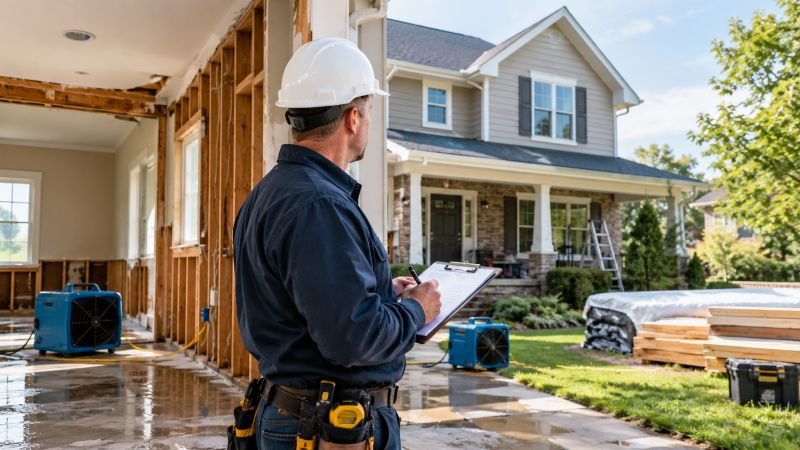
Understanding Home Restoration vs. Renovation and Remodeling
When a homeowner faces significant damage, the terms “restoration,” “renovation,” and “remodeling” are often used interchangeably, yet they represent distinct approaches with different goals, processes, and outcomes. Understanding these differences is crucial for making informed decisions about your property.
Home Restoration focuses on repairing and rebuilding a property to its pre-damage condition, or as close to it as possible, after an event like a fire, flood, or storm. The primary objective is damage remediation and structural stabilization. This often involves specialized techniques to address issues like water extraction, fire mitigation, smoke remediation, and mold cleanup, aiming to preserve the home’s original character and structural integrity.
Home Renovation, on the other hand, involves updating or improving existing structures without necessarily changing their original purpose or layout. This could mean replacing outdated fixtures, refreshing surfaces, or upgrading systems like plumbing or electrical. While it enhances aesthetics and functionality, it typically doesn’t address severe structural damage.
Home Remodeling takes a step further than renovation, often involving significant changes to a home’s layout or function. This might include moving walls, adding new rooms, or transforming a basement into a living space. Remodeling aims to adapt the home to new needs or modern trends, potentially altering its original design.
Here’s a comparison to clarify the distinctions:
Feature Home Restoration Home Renovation Home Remodeling Primary Goal Repair damage, return to pre-loss condition Update aesthetics, improve functionality Change layout/function, adapt to new needs Scope Damage remediation, structural stabilization Surface updates, system upgrades Structural changes, space reconfiguration Permit Needs Often required for structural, electrical, plumbing Sometimes for major system upgrades Frequently required for structural changes Timeline Varies greatly by damage severity, often urgent Days to weeks for small, months for large Weeks to months, depending on complexity Cost Drivers Damage extent, specialized equipment, materials Material quality, labor, design choices Structural work, new layouts, high-end finishes
Core Types of Property Damage Requiring Restoration
Various incidents can necessitate the specialized services of a home restoration contractor. These professionals are equipped to handle complex situations that go beyond routine home repairs.
- Water Damage: This is one of the most common issues, stemming from burst pipes, appliance leaks, overflowing fixtures, or natural flooding. Restoration involves immediate water extraction, industrial-grade drying, and dehumidification to prevent secondary damage like mold growth.
- Fire Damage: Beyond the visible charring, fire damage includes smoke and soot contamination throughout the property. Restoration entails comprehensive smoke remediation, soot removal, and often structural repairs to areas compromised by flames or heat.
- Mold Damage: Often a consequence of unchecked water damage or persistent moisture, mold can pose health risks and degrade building materials. Mold cleanup and remediation require specialized containment, removal, and air purification techniques to ensure a healthy environment.
- Storm Damage: High winds, hail, heavy rain, and ice can cause significant damage to roofs, siding, windows, and even structural components. Storm recovery involves securing the property, repairing exterior damage, and addressing any interior water intrusion.
- Structural Failure: This can result from foundation issues, prolonged water exposure, pest infestation, or severe weather. Addressing structural failure requires expert assessment and precise structural framing and reinforcement to ensure the home’s safety and longevity.
Historic and Older Home Rehabilitation
West Central Illinois is rich with homes that carry significant historical value and architectural charm. Restoring these properties presents unique challenges and requires a deep understanding of historic preservation principles. Unlike modern construction, older homes often feature distinct materials and construction methods that demand specialized care.
When working on historic properties, restoration contractors focus on masonry pointing, period carpentry, and preserving vintage detailing. This means sourcing appropriate materials, employing traditional techniques, and ensuring that any repairs or replacements maintain the home’s original aesthetic and structural integrity. For instance, integrating modern HVAC and energy-efficient systems must be done subtly to avoid compromising the historic character. Contractors specializing in historic rehabilitation also navigate regulations like those found in the Ontario Heritage Act (or similar local heritage guidelines), ensuring that work complies with preservation standards while upgrading the building envelope and implementing energy retrofitting solutions. This delicate balance ensures the home remains functional and comfortable for contemporary living without sacrificing its historical essence.
Comprehensive Services Provided by Expert Home Restoration Contractors
When disaster strikes, the immediate aftermath can be overwhelming. Expert home restoration contractors offer a comprehensive suite of services designed to address every aspect of property recovery, from emergency response to the final touches of reconstruction. These professionals act as a single point of contact, streamlining a complex process that often involves multiple specialists.
From initial emergency mitigation to full-scale structural reconstruction and interior build-outs, these contractors manage the entire project. They coordinate various trades, ensuring that everything from mechanical repairs to custom finish carpentry adheres to the highest standards. For those seeking a reliable partner to navigate these challenging times, Expert home restoration contractors provide the expertise and resources needed to bring a property back to life.
Emergency Mitigation and Site Containment
The first and most critical phase of any restoration project is emergency mitigation. This involves immediate actions to prevent further damage and secure the property.
- Water Extraction and Drying: For water-related incidents, this means rapid water extraction using powerful pumps and vacuums, followed by industrial dehumidification and specialized drying equipment to thoroughly remove moisture from affected areas. This is crucial to prevent mold growth and structural weakening.
- Soot and Smoke Removal: In fire damage scenarios, emergency teams focus on soot removal and smoke remediation. This includes cleaning affected surfaces, neutralizing odors, and containing airborne contaminants.
- Site Stabilization: For properties with structural damage, site stabilization may involve temporary shoring or boarding up compromised areas to prevent collapse and secure the property from external elements.
- Shrink-Wrap Containment: In cases of severe roof or exterior damage, shrink-wrap containment can provide a temporary, weather-tight seal, protecting the interior from further exposure while reconstruction plans are developed.
- Biohazard Cleaning: Certain situations, like sewage backups, require specialized biohazard cleaning to safely remove contaminants and disinfect affected areas.
Structural Reconstruction and Interior Build-Outs
Once the immediate threat is mitigated and the property is safe, the focus shifts to rebuilding and restoring the home to its pre-damage state. This phase, often referred to as reconstruction, is where the expertise of a general contractor truly shines.
- Framing Repair: This involves repairing or replacing damaged structural elements, such as wall studs, floor joists, and roof trusses, ensuring the home’s foundational integrity.
- Drywall Replacement: Water, fire, and mold damage often necessitate the removal and replacement of drywall, followed by expert finishing and painting.
- Subfloor Reconstruction: Damaged subflooring must be carefully removed and replaced to provide a stable base for new flooring materials.
- Architectural Millwork and Custom Finish Carpentry: For homes with unique architectural features, restoration contractors can replicate or repair intricate millwork, trim, and custom cabinetry, preserving the home’s character.
- Code Upgrades: During reconstruction, contractors ensure that all work complies with current building codes, which may include updating electrical, plumbing, or HVAC systems to modern safety and efficiency standards. This is an opportunity to enhance the home’s long-term durability and value.
Navigating Restoration Costs, Timelines, and Insurance Claims
Understanding the financial aspects and time commitments of a home restoration project, as well as how to navigate insurance claims, is vital for homeowners. The complexity of restoration work means that costs and timelines can vary significantly based on the extent and type of damage.
Working with Insurance Adjusters and Claims
One of the most stressful aspects of property damage is dealing with insurance. Professional restoration contractors play a crucial role in simplifying this process. They act as an intermediary, working directly with insurance companies and adjusters to facilitate a smooth claim.
- Damage Documentation: Reputable contractors meticulously document all damage with photos, videos, and detailed reports. This comprehensive evidence is critical for substantiating your claim.
- Itemized Estimates: They prepare thorough, itemized estimates, often using industry-standard software like Xactimate, which is recognized by most insurance providers. This ensures transparency and accuracy in cost assessment.
- Adjuster Coordination: Contractors communicate regularly with your insurance adjuster, providing updates, answering questions, and negotiating on your behalf to ensure all covered damages are accounted for.
- Direct Billing: Many restoration companies offer direct billing to your insurance provider, reducing your upfront financial burden and simplifying payment.
- Claim Approval: By providing clear documentation and estimates, contractors help expedite the claim approval process, allowing restoration work to begin sooner.
Local Permits and Building Code Compliance in West Central Illinois
Permits and adherence to local building codes are non-negotiable aspects of any significant home restoration project, especially in West Central Illinois. These regulations are in place to ensure the safety, structural integrity, and long-term value of your property.
- Municipal Permits: Depending on the scope of work, you will likely need municipal permits for structural changes, electrical work, plumbing, or HVAC system replacements. A professional contractor will be knowledgeable about local requirements and handle the permit application process on your behalf.
- Building Inspections: Throughout the project, local building inspectors will conduct inspections at various stages to ensure compliance with codes. Your contractor will coordinate these inspections and address any findings.
- Structural Compliance: Any work involving the home’s foundation, load-bearing walls, or roof structure must meet strict structural compliance standards.
- Safety Standards: All work, especially electrical and plumbing, must adhere to current safety standards to protect occupants.
- Utility Coordination: If utilities are affected, the contractor will coordinate with local providers for disconnections and reconnections.
- Historical Guidelines: For historic properties, additional guidelines may apply to preserve architectural integrity, requiring careful consideration during the permitting process.
Selecting the Right Restoration Partner for Your Property
Choosing the right home restoration contractor is one of the most critical decisions you’ll make during a challenging time. A reputable and experienced partner can make all the difference in the quality of the restoration, the efficiency of the process, and your overall peace of mind.
Qualifications of Expert Home Restoration Contractors
When vetting potential contractors, look for specific qualifications that indicate professionalism, expertise, and reliability.
- IICRC Certification: The Institute of Inspection, Cleaning and Restoration Certification (IICRC) is a globally recognized standard for the inspection, cleaning, and restoration industries. Look for contractors with IICRC-certified technicians, especially for water, fire, and mold remediation.
- General Liability Insurance: Ensure the contractor carries comprehensive general liability insurance. This protects you from financial responsibility if property damage or injury occurs during the project.
- Workers’ Compensation Insurance: If the contractor has employees, they should have workers’ compensation insurance. This protects their workers and prevents you from being liable for their medical expenses or lost wages if they are injured on your property.
- Trade Licensing: Verify that the contractor and any subcontractors (e.g., electricians, plumbers) hold all necessary state and local trade licenses required for the work in West Central Illinois.
- Local References: Ask for references from past clients, particularly those with similar types of damage or property. Contacting these references can provide valuable insight into the contractor’s reliability, communication, and quality of work.
Here is a list of essential questions to ask a restoration contractor during your selection process:
- Are you licensed and insured for restoration work in West Central Illinois?
- How many years of experience do you have specifically in home restoration?
- Can you provide references from past clients, and may we contact them?
- What is your typical process for handling a project from assessment to completion?
- How do you handle changes or unexpected issues that arise during the project?
- What is your communication protocol? Who will be my main point of contact?
- Do you offer any warranties or guarantees on your work?
- How do you coordinate with insurance companies and adjusters?
- What is your estimated timeline for this project, and how do you track progress?
- Can you provide a detailed, written contract outlining the scope of work, materials, and payment schedule?
Why Hire Expert Home Restoration Contractors Over DIY Approaches
While the idea of a DIY project might seem appealing for cost savings, home restoration is a complex field where professional expertise is invaluable.
- Safety Mitigation: Damage from fire, water, or mold can create hazardous conditions. Professionals have the training and equipment to safely mitigate these risks, protecting both themselves and your family.
- Advanced Moisture Detection: Water damage, in particular, can hide within walls and subfloors. Restoration experts use advanced moisture detection tools to identify hidden moisture, preventing future mold growth and structural issues that DIY efforts might miss.
- Structural Integrity: Repairing structural damage requires specialized knowledge of building codes and engineering principles. Professionals ensure that all repairs restore the home’s structural integrity, preventing long-term problems.
- Building Code Compliance: Navigating local building codes and obtaining necessary permits can be daunting. Restoration contractors are familiar with these requirements and ensure all work meets regulatory standards.
- Property Value Retention: Improperly executed restoration can diminish your home’s value and lead to costly future repairs. Professional restoration preserves and often enhances your property’s value.
- Specialized Equipment: Restoration requires industrial-grade equipment for drying, air purification, and specialized cleaning that is not typically available to homeowners.
Frequently Asked Questions About Home Restoration
Navigating a home restoration project often brings a host of questions. Here, we address some of the most common inquiries homeowners have.
How long does a typical home restoration project take?
The duration of a home restoration project varies significantly based on the type and extent of the damage. A small water damage repair might take a few days for drying and minor repairs, while a large-scale fire or flood restoration involving structural reconstruction could span several months to over a year.
The process typically involves several phases:
- Emergency Mitigation/Drying Phase: This initial phase, including water extraction and structural drying, can take anywhere from 3 to 7 days, depending on the severity of water saturation.
- Demolition and Cleanup: Removing damaged materials can take a few days to a couple of weeks.
- Material Lead Times: Sourcing specialized materials, especially for historic homes, can add weeks or even months to the schedule.
- Structural Reconstruction: This phase, involving framing, electrical, plumbing, and HVAC work, can take several weeks to months.
- Finishing and Interior Build-Out: Installing drywall, flooring, cabinetry, and painting can add another few weeks to months.
- Municipal Inspection Scheduling: Coordinating required inspections can also impact the overall timeline.
An experienced contractor will provide a detailed project timeline with clear milestones during the assessment phase.
Does homeowner insurance cover the full cost of home restoration?
Homeowner’s insurance typically covers the cost of restoration for sudden and accidental damage caused by covered perils, such as fire, storms, or burst pipes. However, whether it covers the “full cost” depends on several factors:
- Policy Limits: Your policy will have limits on how much it will pay for dwelling coverage, personal property, and additional living expenses. If the damage exceeds these limits, you may be responsible for the difference.
- Covered Perils: Ensure the cause of damage is explicitly covered by your policy. For instance, flood damage from natural disasters is often excluded from standard homeowner’s policies and requires separate flood insurance. Gradual damage, like slow leaks causing mold over time, may also be excluded.
- Deductible Requirements: You will be responsible for paying your deductible before your insurance coverage kicks in.
- Claim Documentation: Proper and thorough documentation of the damage and restoration costs is crucial for maximizing your claim. A professional restoration contractor can greatly assist with this.
It’s always advisable to review your policy with your insurance agent to understand your specific coverage and limitations before an incident occurs.
How does restoration work improve energy efficiency and property value?
Professional home restoration, especially after significant damage, often presents an opportunity to implement upgrades that enhance both energy efficiency and property value.
- Modern Insulation: When walls or ceilings are opened for repair, it’s an ideal time to upgrade to modern insulation materials. Improved insulation reduces heat transfer, leading to lower heating and cooling costs and a more comfortable indoor environment.
- Energy-Efficient Windows and Doors: If windows or doors were damaged, replacing them with energy-efficient models can significantly reduce drafts and improve thermal performance.
- Updated Electrical and HVAC Systems: Restoration often involves updating or replacing damaged electrical wiring or HVAC components. This can lead to more efficient systems, reducing energy consumption and improving indoor air quality.
- Resale Appraisal Value: A professionally restored home, free from hidden damage and updated with modern, efficient systems, will typically have a higher resale appraisal value. Buyers are often willing to pay more for a home that has been meticulously repaired and brought up to current standards.
- Long-Term Durability: By addressing underlying issues and using quality materials, restoration work contributes to the home’s long-term durability, reducing the need for future repairs and protecting your investment.
These improvements not only save money on utility bills but also contribute to a healthier, safer, and more comfortable living space, making the home more attractive to potential buyers.
Conclusion
The journey through home restoration can be challenging, but with the right partnership, it transforms from a daunting task into a pathway toward renewal. In West Central Illinois, homes are not just structures; they are repositories of memories, history, and future dreams. When these spaces are threatened by unforeseen damage, the expertise of professional home restoration contractors becomes indispensable.
We’ve explored the critical distinctions between restoration, renovation, and remodeling, highlighting how restoration is a specialized field focused on bringing a property back from distress while preserving its essence. From the immediate response to water and fire damage to the intricate work of structural reconstruction and historic preservation, these professionals offer a comprehensive suite of services. They navigate complex insurance claims, ensure compliance with local building codes, and ultimately deliver structural resilience and architectural revival.
Choosing an expert restoration partner means entrusting your home to qualified hands that prioritize safety, quality, and your peace of mind. Their specialized knowledge, advanced equipment, and commitment to detail ensure that your property not only recovers but often emerges stronger, more efficient, and with enhanced value. Investing in professional restoration is an investment in the longevity of your property, safeguarding your home and your future.

Malik Bilal is the Editor at World Outstanders. With 3+ years of experience in business and technology writing, he creates clear, research-driven content on business, tech, health, and lifestyle topics, always focused on accuracy, trust, and practical value.