
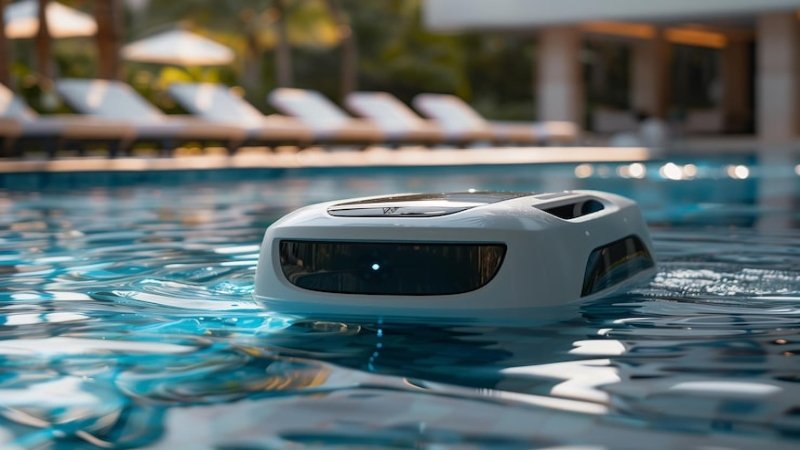
The transition to battery-powered outdoor maintenance equipment has completely revolutionized how homeowners manage their properties. By eliminating restrictive power cables and clumsy extension cords, we have ushered in an era of unprecedented convenience and safety. At the absolute heart of this cordless revolution lies a remarkable piece of chemical engineering: the lithium-ion battery pack. These dense power cells store large amounts of electrical energy. They deliver steady, high-voltage power to drive heavy impellers, spin scrubbing brushes, and run complex navigational microprocessors underwater.
However, a common and costly misconception among homeowners is that a lithium-ion battery has a predetermined, fixed expiration date. Many assume that after two or three seasons, the battery will naturally die, forcing an expensive replacement or the purchase of a completely new machine. In reality, the lifespan of a lithium-ion power cell is highly variable and almost entirely dictated by user habits. How you charge your device in the heat of summer and store it during the cold of winter directly affects its lifespan. Poor care may limit the machine to two years, while proper maintenance can help it last five or more. To protect your investment and keep your hardware running through every cleaning cycle, you need to understand battery chemistry and follow proper charging and storage practices.
The Invisible Enemy: Thermal and Chemical Stress
To maximize the lifespan of your equipment, you must first understand what actually causes a battery to degrade. Lithium-ion cells generate power by moving lithium ions back and forth between a positive cathode and a negative anode through a liquid electrolyte. This chemical transfer is highly sensitive to environmental stress, specifically extreme temperatures and extreme states of charge.
When a battery is completely drained to zero percent, it falls into a state of deep discharge. If left in this state, the internal chemistry begins to break down permanently. The copper in the anode can dissolve into the electrolyte, and when the battery is finally recharged, that copper precipitates out as microscopic metallic spikes called dendrites. These dendrites can pierce the internal separators, causing irreversible capacity loss and eventually short-circuiting the entire cell.
Conversely, holding a battery constantly at one hundred percent capacity places immense mechanical stress on the internal components. It is akin to overinflating a car tire and leaving it sitting in the hot sun; the internal pressure creates microscopic damage over time. Furthermore, heat is the ultimate destroyer of lithium-ion technology. Charging a battery while it is physically hot, or leaving it sitting in direct ultraviolet sunlight, accelerates parasitic reactions inside the cells, permanently reducing the total volume of energy the battery can hold.
Optimal Active-Season Charging Protocols
During the active summer season, your machine will likely see daily or bi-weekly use. Establishing a disciplined charging routine during these months of heavy rotation is your first line of defense against premature battery degradation. Ignore the old advice of draining a battery completely before charging it; that applied to outdated nickel-cadmium batteries, not modern lithium-ion cells.
- The Post-Extraction Cool-Down: Never plug your hardware into the charger immediately after pulling it out of the water. The internal motors and the rapid discharge of energy generate significant ambient heat inside the sealed chassis. If you apply high-voltage charging current to an already hot battery, you exponentially accelerate cellular degradation. Park the unit in a shaded, dry area and allow the internal components to cool to room temperature for at least forty-five minutes before initiating the charging sequence.
- Shaded Charging Environments: The charging base must be located in a highly controlled environment. Never charge the machine on the open concrete deck under the glaring summer sun. The combination of ambient solar heat and the thermal energy generated by the charging process will cook the battery chemistry. Set up your charging station inside a cool garage, a ventilated utility shed, or under a deeply shaded patio awning.
- The Disconnect Rule: While modern battery management systems are equipped with overcharge protection algorithms, leaving a lithium-ion device plugged into the wall constantly for days on end keeps the battery in a high-stress, high-voltage state. Once the indicator light signals a full charge, physically unplug the transformer from the wall or disconnect the charging cable from the machine.
- Avoiding Deep Depletion: Try to intervene before the machine completely dies in the water. If you notice the device has finished its primary mapping and scrubbing routine, pull it out. Keeping the battery operating within the twenty to eighty percent charge range as often as possible is the absolute best way to preserve its long-term health.
Executing these daily habits directly impacts the mechanical efficiency of your hardware. When you invest in a premium, high-efficiency Aiper cordless robotic pool cleaner, you are paying for its ability to utilize advanced algorithmic mapping to cover a massive submerged footprint. If the internal battery has been degraded by poor charging habits, the unit will experience severe voltage sag. The microprocessor detects the drop in power and forces the machine to end its cleaning cycle early. As a result, it may park near a wall before fully scrubbing the deep end. By protecting the battery chemistry, you help ensure the machine has the stamina to complete its complex navigational path from start to finish.
Winterizing and Long-Term Off-Season Storage
While summer heat is a major threat, improper winter storage is the number one cause of sudden battery death. Many homeowners toss their equipment into a freezing shed in October and are shocked to find a completely unresponsive machine in May. Lithium-ion batteries naturally lose a small percentage of their charge every month they sit idle. If you put a machine away with a low battery, that natural parasitic drain will push the cells into a fatal deep discharge state during the winter. To ensure your hardware wakes up fully functional in the spring, you must execute a strict winterizing protocol.
- Complete Decontamination and Drying: Before the machine enters long-term storage, it must be surgically clean. Remove the internal filter baskets and wash them thoroughly. Flush the impeller port and the drive tracks with fresh water to remove any lingering chlorine or calcium dust. Most importantly, ensure the charging pins and the entire chassis are completely bone dry. Trapped moisture inside a storage box will cause the charging terminals to oxidize and rust over the winter, destroying the electrical connection entirely.
- Achieving the Storage Sweet Spot: Never store the machine with a completely dead battery, and avoid storing it at a full one hundred percent charge. The chemical sweet spot for long-term lithium-ion hibernation is exactly fifty to sixty percent capacity. This specific voltage level minimizes internal cell stress while providing a large enough buffer to survive the natural parasitic drain over the next six months. Run the machine for a partial cycle, or charge it halfway, to hit this exact metric before putting it in the protective box.
- Selecting a Climate-Controlled Safe Zone: Freezing temperatures alter the molecular structure of the liquid electrolyte inside the power cells. Do not store the machine in an uninsulated outdoor shed or under a tarp in the backyard. The hardware must be stored in a climate-controlled environment where the temperature consistently remains between fifty and seventy degrees Fahrenheit. A heated garage, a basement utility room, or an interior hall closet are the only acceptable winter storage locations.
- Executing the Mid-Winter Voltage Audit: Do not simply forget about the machine until the spring thaw. Set a calendar reminder for the exact midpoint of your off-season (usually late January or early February). Bring the machine out, plug it into the charger for exactly thirty to forty-five minutes to gently bump the capacity back up to the fifty percent sweet spot, and then return it to storage. This mid-winter audit eliminates the risk of the battery slipping into a fatal deep discharge.
Treating your cordless aquatic hardware like a standard, disposable household appliance is a fast track to mechanical failure. The lithium-ion battery inside the chassis is a highly complex, chemically sensitive powerhouse that requires proactive management. Let the machine cool before charging, and keep it out of direct sunlight. Avoid extreme charge levels and follow a strict, climate-controlled winterizing process. These steps help you take control of your equipment’s lifespan. Battery degradation is not inevitable. With proper care, you can manage it and protect your investment for reliable, untethered performance season after season.

Malik Bilal is the Editor at World Outstanders. With 3+ years of experience in business and technology writing, he creates clear, research-driven content on business, tech, health, and lifestyle topics, always focused on accuracy, trust, and practical value.