
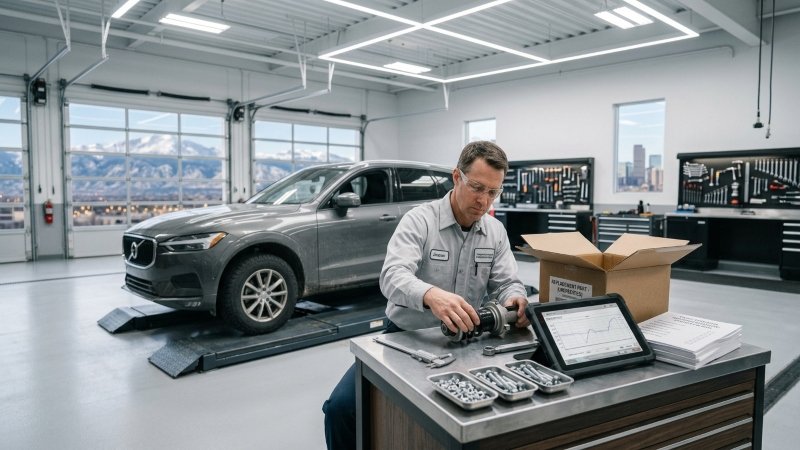
Buying a replacement part in Denver means considering more than a product photo and a price. From stop-and-go city driving to mountain trips, changing temperatures, and long stretches of highway, a vehicle needs components that match its exact configuration and intended use. Whether you are comparing filters, brake components, lighting, or specialized Bentley auto parts, accurate fitment should be the first checkpoint.
A careful purchase can prevent warning lights, installation delays, return-shipping costs, and repeat repairs. Start with confirmed vehicle information, then compare the part’s condition, quality, warranty, compliance status, and installation requirements before placing an order.
Why Fitment Matters
Two parts can look nearly identical while serving different engines, brake packages, production dates, or electronic systems. A connector may have a different pin arrangement, a rotor may have the wrong diameter, or a sensor may communicate differently with the vehicle module. Even vehicles with the same model name can use different components based on trim, drivetrain, optional equipment, or factory revisions.
“Fits most models” is not the same as verified compatibility. Poor fitment can lead to leaks, vibration, uneven wear, warning lights, reduced performance, or a part that cannot be installed at all. Match the exact application instead of relying on appearance.
Gather The Right Vehicle Details
Collecting complete vehicle information before shopping makes every later step easier. Record the model year, full model name, trim, body style, engine, transmission, drivetrain, mileage, and the symptoms that prompted the repair. The VIN is especially useful for identifying factory equipment.
Also, photograph the old component, its label, electrical connectors, mounting points, and nearby hose or wiring locations. If a technician has removed the original part, ask for its manufacturer’s number. A VIN is an excellent starting point, but some components still depend on production dates, software versions, prior repairs, or optional packages.
Compare Part Types
There is no single best category for every repair. Consider the purpose of the part and the evidence available for its quality.
- Original-equipment parts: Often provide a direct match for the vehicle’s original design. Confirm the correct revision and warranty terms.
- Aftermarket parts: Can offer more choices in price, materials, or performance. Verify the maker, testing information, and exact application.
- Remanufactured parts: May reduce cost and waste when a core has been professionally rebuilt and tested. Check what was replaced and whether a core charge applies.
- Used parts: May be practical for older or hard-to-source vehicles, but condition and donor-vehicle history are important.
Price alone does not establish quality. A lower-cost part may be suitable for some repairs, while a higher-priced option should still be checked for proper fit, coverage, and documentation.
Identify Safety-Critical Components
Brakes, steering parts, suspension links, tires, wheels, lighting, airbags, seat-belt assemblies, cameras, radar units, and restraint sensors deserve additional scrutiny. These systems can affect vehicle control, occupant protection, or visibility, so unknown conditions and incomplete documentation are meaningful risks.
For example, dangerous replacement air bag inflators have prompted federal safety warnings. Never attempt to inspect or dismantle an airbag yourself. When a vehicle has a crash history, deployed airbags, or uncertain repair records, arrange an inspection by a qualified technician before driving it.
Check Quality Before Buying
Review the listing or repair estimate closely. Look for a complete manufacturer name, a traceable part number, clear photos, stated condition, and a warranty that explains exclusions. Confirm whether the item is new, rebuilt, refurbished, or used.
- Compare the part number with the old component or service information.
- Read return rules before opening packaging or attempting installation.
- Check for required seals, clips, fasteners, fluids, or companion parts.
- Review calibration, torque, or programming notes.
- Be cautious when a safety-related part is priced far below comparable documented options.
Packaging, finish, and weight may offer clues, but they do not prove a component is correct or safe. Verified fitment and reputable documentation matter more.
Review Compliance Requirements
Replacement lighting, emissions equipment, catalytic converters, oxygen sensors, and performance modifications may have legal or inspection implications. Denver-area owners should confirm the applicable requirements before ordering emissions-related parts, particularly when replacing or modifying exhaust equipment.
The EPA explains that an aftermarket catalytic converter must be appropriate for the vehicle and properly installed. Keep invoices and any applicable certification information, since repair documentation can be useful if a vehicle later needs inspection, diagnosis, or resale records.
Calculate The Full Repair Cost
The listed price is only one part of the repair budget. Include taxes, shipping, return shipping, labor, diagnostic time, required fluids, seals, hardware, core charges, alignment, programming, and sensor calibration.
For example, a less expensive sensor can become the costlier option if it arrives with the wrong connector, requires a second installation attempt, or cannot be returned after use. Compare the complete installed cost, not just the checkout total.
Plan The Installation
Read the service procedure before buying. Determine whether special tools, lift access, scan-tool functions, calibration equipment, or replacement fasteners are required. Follow specified torque values rather than tightening by feel, and use new seals or single-use hardware when the procedure calls for them.
Skilled do-it-yourself work can be appropriate for some routine maintenance, but fuel systems, high-voltage components, complex modules, restraint systems, and safety-critical repairs often require professional service. Test an appropriate repair in a safe area before returning to normal driving.
Avoid Common Buying Mistakes
- Ordering by vehicle name alone.
- Replacing a part before confirming the diagnosis.
- Ignoring the VIN, production date, or installed part number.
- Mixing components intended to operate as a matched system.
- Skipping warranty and return policy details.
- Forgetting programming, calibration, or alignment needs.
- Discarding the old part before verifying the replacement fits.
Use This Parts-Buying Checklist
- Vehicle details and VIN confirmed.
- Diagnosis completed before ordering.
- Exact part number recorded where available.
- Part condition and warranty understood.
- Safety and emissions considerations reviewed.
- Tools, labor, programming, and follow-up services are budgeted.
- Receipts and installation records saved.
Conclusion
Choosing replacement car parts in Denver, Colorado, requires more than finding a similar-looking component. Confirm the diagnosis, match the part to the exact vehicle, assess quality and compliance, and plan for the full installation cost. Those extra steps can help protect your vehicle, your budget, and your time on the road.
Frequently Asked Questions
Is an original-equipment part always better?
Not necessarily. Original-equipment parts can offer a straightforward match, while a well-documented aftermarket or remanufactured option may also be appropriate. The right choice depends on the component, vehicle, warranty, and intended use.
Can a part fit physically but still be wrong?
Yes. A component may bolt on but have the wrong connector, sensor range, software version, load rating, or material specification.
Should safety parts be bought used?
Use extra caution. Airbags, restraint components, tires, and crash-related pieces can be difficult to evaluate without a reliable history and professional inspection.

Malik Bilal is the Editor at World Outstanders. With 3+ years of experience in business and technology writing, he creates clear, research-driven content on business, tech, health, and lifestyle topics, always focused on accuracy, trust, and practical value.