
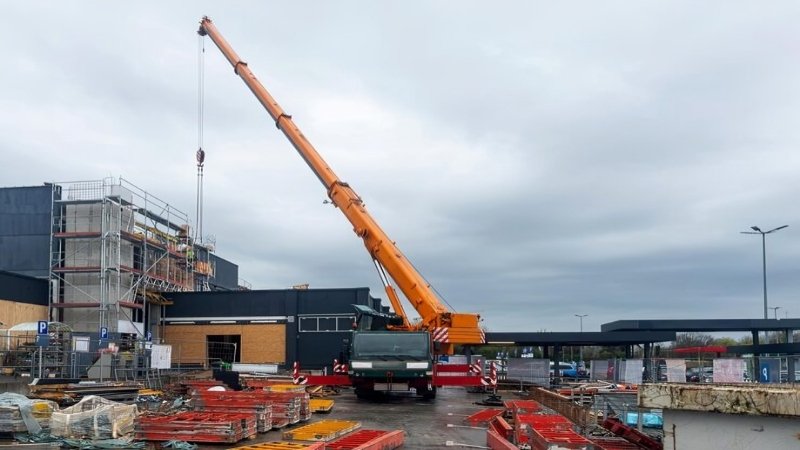
Manual handling remains one of the most persistent sources of workplace strain and injury, particularly in industries that rely on lifting, carrying, or repositioning heavy materials. From warehouses to manufacturing plants and construction environments, workers often face physical demands that can lead to fatigue, musculoskeletal disorders, and long-term health challenges. As operations expand and productivity expectations rise, relying solely on human strength becomes less sustainable and more hazardous.
Crane system setups provide a practical way to shift the burden from workers to engineered solutions, allowing tasks to be completed with greater consistency and reduced physical stress. By integrating lifting systems into workflows, organizations can create safer environments while maintaining efficiency and precision in material handling processes.
Crane System Setups
How Crane Systems Transform Handling Tasks
Crane systems fundamentally change how materials are moved within a workspace by replacing repetitive lifting with controlled mechanical motion. Instead of workers manually carrying loads over long distances or lifting items to different heights, cranes handle these tasks with accuracy and stability. This transformation reduces the likelihood of injuries caused by overexertion, awkward postures, and sudden strain. When lifting is automated or assisted, workers can focus on guiding loads rather than bearing their weight, which significantly lowers physical risk.
The structured movement provided by cranes also minimizes unpredictable shifts that can occur during manual handling. As a result, workflows become smoother and more predictable, creating an environment where safety and efficiency align naturally without placing excessive demands on the workforce.
Ergonomic Benefits and Worker Well-Being
One of the most notable advantages of crane system setups lies in their ability to support ergonomic practices. Poor ergonomics often leads to repetitive strain injuries, especially when workers perform the same lifting motions throughout the day. Crane systems allow loads to be positioned at optimal heights, reducing the need for bending, twisting, or reaching. This adjustment not only improves comfort but also helps maintain proper posture during tasks.
Over time, such improvements contribute to reduced fatigue and fewer reported injuries. The introduction of custom jib crane system setups further enhances adaptability, enabling facilities to tailor lifting solutions to specific workstations and operational needs. By aligning equipment design with human capabilities, businesses can foster a healthier work environment where employees experience less physical stress and greater long-term well-being.
Enhancing Precision and Load Control
Manual handling often involves a degree of unpredictability, particularly when dealing with bulky or uneven loads. Crane systems introduce a level of precision that is difficult to achieve through manual effort alone. Operators can control the speed, direction, and placement of materials with greater accuracy, ensuring loads are positioned exactly where needed. This precision reduces the risk of dropped items, collisions, or damage to surrounding equipment. It also helps maintain product integrity, which is especially important in industries handling fragile or high-value materials.
By improving control over load movement, crane setups contribute to a safer environment, reducing the likelihood of accidents. The consistency provided by mechanical lifting also allows teams to work more confidently, knowing that the system supports their efforts rather than introducing additional risk.
Reducing Repetitive Strain and Fatigue
Repetition is a major factor in workplace injuries, particularly when tasks involve lifting or carrying heavy objects repeatedly over a shift. Crane systems reduce the need for repetitive manual effort by taking over the most physically demanding aspects of these tasks. Workers no longer need to exert the same level of force repeatedly, which helps prevent cumulative strain on muscles and joints. This reduction in physical demand leads to lower levels of fatigue, allowing employees to maintain focus and productivity over longer periods.
When fatigue is minimized, the likelihood of errors and accidents also decreases. Crane setups, therefore, play a dual role in enhancing safety and maintaining operational efficiency. By addressing the root causes of strain, these systems create a more sustainable approach to material handling that benefits both workers and organizations.
Supporting Safer Workflow Design
Integrating crane systems into a facility requires thoughtful planning, which often leads to improvements in overall workflow design. When lifting equipment is strategically positioned, it promotes a more organized layout, reducing unnecessary movement and congestion. This organization helps prevent situations where workers must navigate tight spaces while carrying heavy loads, a common source of accidents. Crane systems also enable task separation, ensuring that lifting operations do not interfere with other activities.
By creating designated zones for material handling, businesses can reduce the risk of collisions and improve coordination among team members. A well-designed workflow not only enhances safety but also streamlines operations, making it easier to maintain consistent productivity without compromising worker well-being.
Adapting to Different Industrial Environments
Crane system setups are highly adaptable, making them suitable for a wide range of industries and applications. In manufacturing, they facilitate the movement of components between assembly stations. In warehouses, they assist with loading and unloading goods. On construction sites, they handle heavy materials that would be impractical to move manually. This adaptability ensures that each environment can benefit from reduced manual handling risks, regardless of its specific challenges.
The flexibility of crane systems also allows for modifications as operational needs evolve. Whether adjusting the reach of a jib crane or reconfiguring a gantry system, businesses can refine their setups to match changing demands. This ability to adapt ensures that safety measures remain effective over time, supporting continuous improvement in workplace conditions.
Training and Operational Awareness
While crane systems reduce physical strain, their effectiveness depends on proper training and awareness among operators. Workers must understand how to use the equipment safely, including controlling loads and responding to potential hazards. Training programs play a crucial role in ensuring that employees are confident and competent when operating crane systems. This knowledge helps prevent misuse and ensures that safety features are utilized effectively.
In addition to technical skills, training promotes a culture of safety in which workers remain vigilant and proactive. When employees are well-informed, they are more likely to recognize potential risks and take appropriate action. This combination of mechanical assistance and human awareness creates a balanced approach to safety that addresses both physical and procedural aspects of manual handling.
Crane system setups play a significant role in reducing manual handling risks by transforming how materials are lifted, moved, and positioned within various work environments. By minimizing physical strain, improving precision, and supporting ergonomic practices, these systems address many of the challenges associated with manual labor. Their ability to enhance workflow design and adapt to different industrial settings further strengthens their value as a safety solution.
When combined with proper training and a commitment to safe practices, crane systems contribute to a more sustainable and efficient approach to material handling. As industries continue to prioritize worker well-being, adopting crane setups is a practical step toward creating safer, more resilient workplaces.

Malik Bilal is the Editor at World Outstanders. With 3+ years of experience in business and technology writing, he creates clear, research-driven content on business, tech, health, and lifestyle topics, always focused on accuracy, trust, and practical value.