
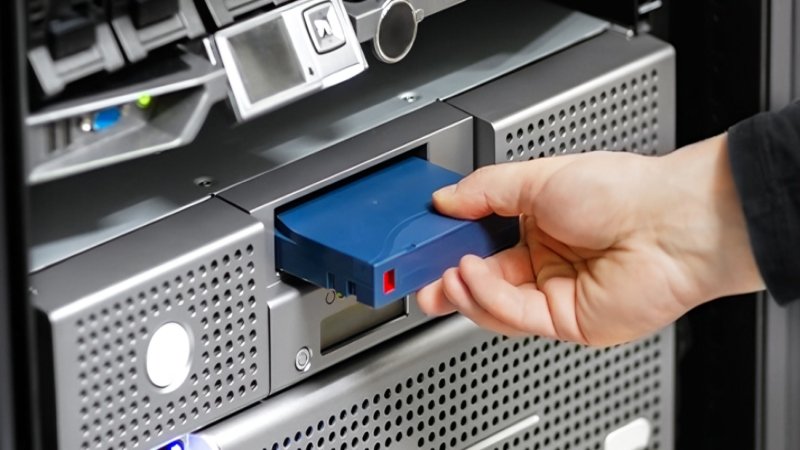
In the realm of data storage and management, tape data migration stands as a critical process for businesses transitioning archival data into accessible digital formats. This guide explores the intricacies of tape data migration and its importance in modern data management strategies.
Understanding Tape Data Migration
Tape data migration involves moving data stored on magnetic tape media to more up-to-date storage solutions, such as cloud-based platforms or modern data centres. This process helps in unlocking and utilising historical data that otherwise remains locked in outdated formats.
The Importance of Tape Data Migration
As technology evolves, the accessibility and usability of data stored on legacy systems decline. Tape data migration is essential to ensure that valuable data remains accessible and is integrated into current business applications and analysis tools.
Challenges in Tape Data Migration
Migrating tape data presents several challenges, including the need for specialised hardware to read older tape formats. There may also be issues related to data integrity and potential loss during the migration process, making it vital to have a well-planned strategy.
Planning for a Successful Migration
A successful tape data migration project requires thorough planning. It involves assessing the volume, format, and value of the data, as well as selecting appropriate technologies for the migration. This preparation can help in preventing data loss and ensuring that the migration process is efficient.
Key Phases of Tape Data Migration
Typically, tape data migration occurs in several phases. Initially, there is an assessment and analysis of the existing tapes. This is followed by preparation, which includes cleaning and organising tapes for migration. The actual transfer forms the next phase, and finally, data validation ensures that all transferred data is accurate and functional.
Technology Utilised in Tape Data Migration
Various specialised tools and systems are used in tape data migration to facilitate the process. These include advanced tape drives, data transfer software, and error correction techniques that help in maintaining the integrity of the data during migration.
The Role of Cloud Computing
Cloud computing plays a significant role in modern tape data migration strategies by providing scalable and flexible storage solutions. Cloud platforms offer high-speed data transfer capabilities, which can expedite the migration process and enhance data accessibility.
Data Security and Compliance
Migrating data requires stringent security protocols to ensure compliance with data protection regulations. It is crucial for businesses to protect sensitive information during migration to avoid breaches or loss of data.
Choosing the Right Partner
Engaging with experienced data migration service providers such as Tape Ark can be beneficial. These providers offer expertise and infrastructure that ensure a smooth and secure migration process.
Ensuring Long-term Data Management
Post-migration, it is important to establish a robust data management strategy. This includes regular data audits, updates, and ensuring that the new storage solution remains aligned with future business objectives.
Benefits of Efficient Tape Data Migration
An efficient tape data migration process can lead to enhanced data accessibility, reduced storage costs, and improved disaster recovery frameworks. It also aids in freeing up physical storage spaces and reducing environmental impacts.
Industry Applications of Tape Data Migration
Many industries, including healthcare, finance, and media, rely on tape data migration to keep decades’ worth of archived data accessible and usable for analytics and reporting purposes.
Future Trends in Data Migration
The future holds promising developments in data migration technologies with the rise of AI and machine learning, potentially increasing automation and accuracy in migration processes.
Conclusion
Tape data migration is a vital process for organisations looking to maintain data accessibility and relevance in a digital-driven era. By understanding the challenges and planning strategically, businesses can efficiently transition their archival data into modern digital environments, ensuring that valuable information remains a key asset.

Malik Bilal is the Editor at World Outstanders. With 3+ years of experience in business and technology writing, he creates clear, research-driven content on business, tech, health, and lifestyle topics, always focused on accuracy, trust, and practical value.