
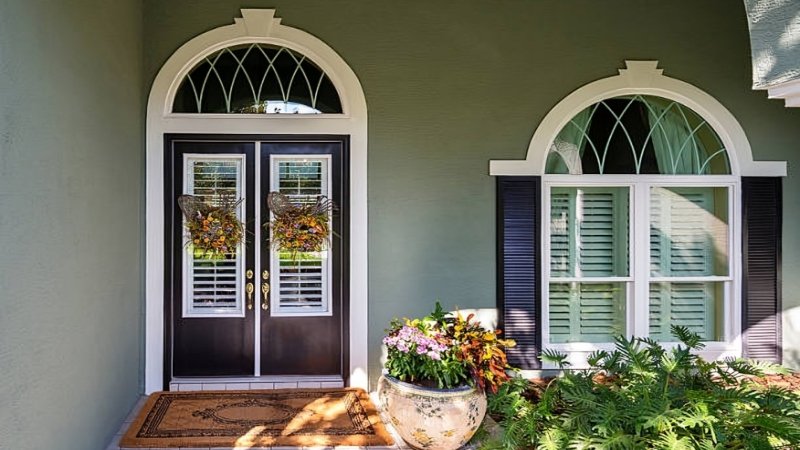
Entryways are the first impression visitors get of your home, and every detail matters. One often-overlooked but highly impactful design choice is adding a transom window above your front door. Historically, these windows were used to promote ventilation and bring extra daylight into darker foyer spaces. Today, a single front door with transom above not only brightens interiors but also infuses your entry with a touch of elegance and architectural charm.
Key Takeaways
- Transom windows enhance natural light and add architectural interest to entryways.
- Various styles and materials allow customization to complement any home design.
- Proper installation and maintenance ensure longevity and energy efficiency.
What Is a Front Door Transom Window?
Transom windows are defined by their placement above doors or other windows, typically as a fixed or operable pane of glass. Their position allows them to channel daylight deep into your home while transforming a standard entry into an inviting architectural focal point.
With the evolution of home design, transom windows have become available in a wide array of styles and materials. Homeowners can now select options that best align with both their aesthetic preferences and practical needs.
The increased presence of natural light improves not only the look but also the functionality of your entryway, an area that is often prone to feeling dim. Because transom windows are so adaptable, they suit everything from stately traditional homes to clean-lined contemporary spaces.
Transom windows can be tailored to just about any type of home by selecting the right combination of shape and construction material. The most common styles include:
- Rectangular: Timeless and versatile, rectangular transoms lend an understated elegance that works well in both modern and traditional homes.
- Arched: Arched or eyebrow transoms deliver classic architectural grace, pairing beautifully with ornate entry doors and historic facades.
- Fan-Shaped: These radiate out like a sunburst, often adding a dramatic, artistic feel to a home’s entrance.
Material choices are equally varied. Wood provides warmth and historical fidelity, especially for craftsman or colonial homes. Aluminum, steel, and fiberglass are popular for their sleek appearance, durability, and low-maintenance properties in contemporary or minimalist exteriors. Vinyl stands out as an affordable, energy-efficient solution, well-suited for various climates. Choosing the best style and material hinges on your home’s architecture, your budget, and the level of upkeep you prefer.
For a deep dive into window materials and energy efficiency, consider the Department of Energy’s window guide, which offers valuable insights.
Benefits of Transom Windows
- Increased Natural Light: Allowing additional sunlight to pour through your entryway, transom windows help cultivate a warm and welcoming ambiance. Sunlit spaces have been shown to positively impact mood and energy levels, making these windows a smart design decision for well-being.
- Enhanced Aesthetic Appeal: From bold arches to subtle horizontal panes, transom windows introduce a refined flourish that elevates curb appeal. They visually elongate walls and draw the eye upward, making ceilings seem higher, and rooms feel more expansive.
- Improved Ventilation: By opting for operable transom windows, you can boost cross-ventilation. This feature helps freshen indoor air and can make a noticeable difference in homes where air flow is otherwise limited.
Popular Styles and Materials
Transom windows can be tailored to just about any type of home by selecting the right combination of shape and construction material. The most common styles include:
- Rectangular: Timeless and versatile, rectangular transoms lend an understated elegance that works well in both modern and traditional homes.
- Arched: Arched or eyebrow transoms deliver classic architectural grace, pairing beautifully with ornate entry doors and historic facades.
- Fan-Shaped: These radiate out like a sunburst, often adding a dramatic, artistic feel to a home’s entrance.
Material choices are equally varied. Wood provides warmth and historical fidelity, especially for craftsman or colonial homes. Aluminum, steel, and fiberglass are popular for their sleek appearance, durability, and low-maintenance properties in contemporary or minimalist exteriors. Vinyl stands out as an affordable, energy-efficient solution, well-suited for various climates. Choosing the best style and material hinges on your home’s architecture, your budget, and your desired level of upkeep.
Design Ideas for Entryways
- Pairing with Sidelights: Matching transom windows with sidelights on either side of the entry door dramatically increases natural light and creates a truly grand entryway. This combination is especially popular in homes aiming for a stately, traditional look.
- Stained Glass Transoms: Custom-stained or etched glass in transoms adds a pop of color and intricate design, turning the doorway into a unique work of art. This is a favorite option for vintage-inspired homes or those seeking to add a personal touch to their entry space.
- Modern Minimalism: Choosing a plain, clear-glass transom in a simple rectangular or square shape brings a crisp, contemporary look. Minimalistic frames in black or metallic finishes enhance the effect and pair seamlessly with modern home designs.
Enhancing your entryway goes beyond windows and doors. Explore ideas and inspiration from authoritative design sites like Homes & Gardens’ entryway guide to see creative ways transoms can elevate curb appeal.
Installation Considerations
Correct installation is critical to maximize the performance, beauty, and lifespan of your transom window. If you’re replacing an existing door or window, structural modifications might be necessary to accommodate the new transom. Ensuring the rough opening is the appropriate size and confirming there is proper structural support are vital for safety and longevity. Because the process can involve significant changes to load-bearing walls, consulting a licensed contractor or builder is highly recommended.
Additionally, compliance with local building codes is necessary, including energy efficiency requirements and glass safety standards. Properly installed and sealed transom windows prevent unwanted air or water intrusion, contributing to your home’s overall energy efficiency.
Maintenance and Care
Maintaining your transom window is straightforward with regular attention. Periodically clean the panes with a non-abrasive glass cleaner to keep them sparkling and streak-free. Be sure to inspect the window frame and caulking for any signs of wear, cracks, or moisture intrusion.
For operable transoms, check the hinges and locking mechanisms to ensure smooth operation and tight closure, which helps keep your home comfortable and secure. Promptly address any compromised seals or visible damage to avoid costly repairs in the future and to maintain the window’s insulating properties.
Conclusion
Transom windows remain a perennial favorite among homeowners for good reason. They flood entryways with natural light, elevate curb appeal, and can even help with ventilation. With a wide variety of styles, shapes, and materials available, every home can benefit from the timeless appeal of a transom window. Focusing on quality installation and routine maintenance ensures these windows will serve as both a functional and beautiful architectural accent for many years to come.

Malik Bilal is the Editor at World Outstanders. With 3+ years of experience in business and technology writing, he creates clear, research-driven content on business, tech, health, and lifestyle topics, always focused on accuracy, trust, and practical value.