
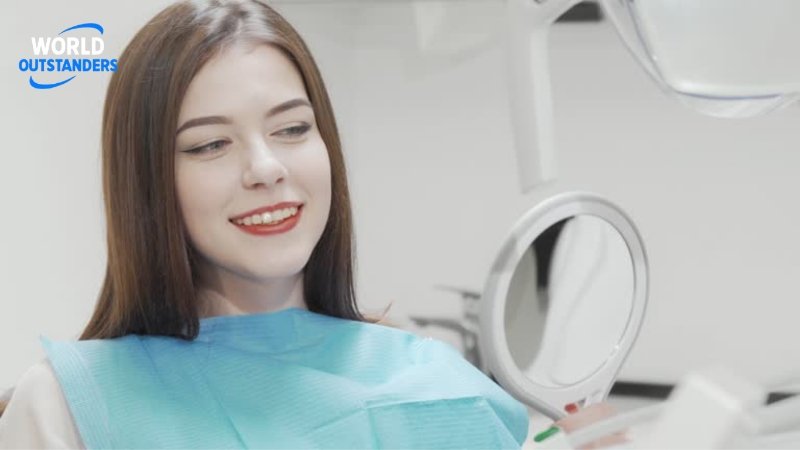
In the modern era of dentistry, the boundary between health and aesthetics has effectively dissolved. Australians are increasingly seeking “smile makeovers” that do more than just mask imperfections; they are looking for holistic transformations that integrate robust oral health with high-end cosmetic outcomes. This synergy ensures that a beautiful smile is built upon a foundation of structural integrity, ensuring longevity and functional excellence.
The Foundation of a Digital Transformation
A successful smile makeover begins long before a single tooth is touched. In contemporary Australian clinics, the process is anchored in comprehensive oral care. Treating underlying issues—such as periodontal disease, tooth decay, or structural weaknesses—is the non-negotiable first step. By addressing these concerns, practitioners ensure that subsequent aesthetic enhancements, such as veneers or crowns, are bonded to a healthy environment, significantly reducing the risk of future complications or premature failure.
The integration of Digital Smile Design (DSD) has redefined this preparatory phase. Using high-definition intraoral scanners and 3D imaging, dentists can map a patient’s entire oral landscape. This technology allows for a collaborative approach where the patient can visualize the final result in a digital simulation. It bridges the gap between clinical necessity and aesthetic desire, allowing for a precise roadmap that dictates every step of the journey, from initial gum therapy to the final placement of restorations.
Precision Through Advanced Laser Technology
One of the most significant shifts in combining health and beauty is the use of soft-tissue lasers. Traditionally, correcting a “gummy smile” or uneven gum line required invasive surgery and lengthy recovery times. Today, laser dentistry allows for precise contouring of the gingival tissue with minimal discomfort and rapid healing.
This technology does more than just enhance the appearance of the teeth by revealing more of the natural crown; it also promotes better oral hygiene. Symmetrical, well-contoured gums are easier to clean, reducing the risk of plaque accumulation in hard-to-reach pockets. When practitioners elevate smiles using aesthetic dentistry technologies, they are leveraging tools that provide medical-grade precision alongside artistic refinement. This dual-purpose approach ensures that the aesthetic results are as healthy as they are visually stunning.
The Role of Biocompatible Materials
The evolution of materials has also played a pivotal role in the tech-driven makeover. Modern porcelain and composite resins are engineered to mimic the light-reflecting properties of natural enamel while offering superior biocompatibility. These materials do not just look real; they behave like natural tooth structure.
In Australia, the trend has shifted away from the “ultra-white” artificial look toward “authentic aesthetics.” This involves using CAD/CAM (Computer-Aided Design and Manufacturing) technology to mill restorations that fit with micron-level accuracy. A perfectly fitting crown or veneer protects the underlying tooth from bacterial ingress, effectively combining a cosmetic upgrade with a protective restorative shield.
Artificial Intelligence and Predictive Planning
As we move through 2026, Artificial Intelligence (AI) has become a mainstay in Australian dental surgeries. AI algorithms analyze thousands of facial proportions to suggest tooth shapes and alignments that perfectly complement a patient’s unique features. This predictive planning minimizes the “trial and error” often associated with older cosmetic methods.
Furthermore, AI-driven diagnostics help identify early signs of enamel wear or bone loss that might compromise a smile makeover. By catching these issues early, dentists can implement preventive measures, such as custom-fitted night guards or remineralisation therapies, to protect the cosmetic investment. This proactive stance ensures that the “makeover” isn’t just a temporary fix but a permanent improvement to the patient’s quality of life.
Functional Orthodontics and Clear Aligners
A straight smile is often viewed through a purely cosmetic lens, yet its functional benefits are profound. Misaligned teeth are notoriously difficult to clean and can lead to uneven wear and jaw pain. The latest iterations of clear aligner technology allow for rapid, discreet tooth movement that serves as a precursor to cosmetic work.
By aligning the teeth first, dentists can often opt for more conservative cosmetic treatments. For instance, once the teeth are in their ideal positions, a patient might only require minimal-prep veneers or simple bonding rather than more invasive crown work. This “health-first” philosophy preserves as much natural tooth structure as possible, which is the gold standard of modern dentistry.
Maintenance and the Future of Care
The technology that creates a new smile is the same technology used to maintain it. High-tech home care tools, from oscillating-rotating electric brushes with pressure sensors to water flossers, are essential components of the post-makeover regimen. Regular check-ups now often involve digital “health scans” that track changes in the mouth over time, allowing for micro-adjustments before problems develop.
Staying informed about the latest innovations in oral care is vital for any patient considering a significant dental investment. These advancements ensure that the intersection of technology and artistry continues to provide Australians with smiles that are not only radiant but built to last a lifetime.

Malik Bilal is the Editor at World Outstanders. With 3+ years of experience in business and technology writing, he creates clear, research-driven content on business, tech, health, and lifestyle topics, always focused on accuracy, trust, and practical value.