
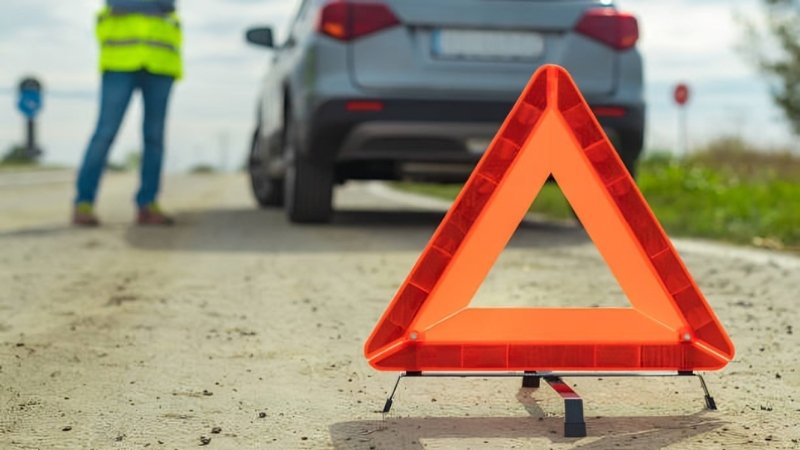
Driving often feels routine, but every trip on the road comes with its share of challenges. From unpredictable weather to surprise obstacles, even experienced drivers must stay vigilant to minimize the risk of accidents. Understanding these hazards and learning how to respond appropriately is essential for every motorist. If you frequently drive in New York or want to explore your legal options after an accident, visit https://www.855dolor55.com/new-york/ for helpful information.
Road safety is not solely about knowing how to operate a vehicle; it also involves anticipating potential dangers and adjusting your behavior accordingly. Whether you’re a daily commuter or someone who only gets behind the wheel occasionally, knowing what to expect can make a substantial difference in keeping yourself and others safe.
This comprehensive guide covers the most common road hazards you may encounter and provides actionable strategies to help you avoid them. Prepare yourself with knowledge to feel confident and secure on every drive, no matter the conditions.
Weather Conditions
Adverse weather is one of the most significant contributors to car accidents. Rain, snow, ice, fog, and high winds can all reduce traction and visibility. Icy, wet roads increase stopping distances, sometimes doubling or tripling the distance needed to come to a halt safely. Fog and heavy rain can limit visibility, making it difficult to detect other vehicles, pedestrians, and hazards on the road. Winds, particularly on bridges or open highways, may unexpectedly push vehicles, especially trucks or smaller cars, off course, increasing the risk of accidents.
To avoid these dangers, always reduce your speed in wet or icy conditions, maintain a greater following distance from the car ahead, and use headlights to improve visibility in low-light settings. Pay special attention to weather reports before starting your journey, and consider postponing travel when conditions are severe. For more on this subject, the National Highway Traffic Safety Administration offers additional safety tips.
Potholes and Uneven Surfaces
Potholes cause problems beyond just rattling your vehicle; they can lead to blown tires, bent rims, or even loss of control at high speeds. Uneven road surfaces are especially hazardous for motorcycles and smaller vehicles, as these road defects can cause sudden, unexpected handling changes. Poorly maintained roads increase accident risks and can harm your car’s alignment and suspension.
The best way to avoid pothole-related issues is to remain alert, particularly on rural roads or after storms. When you cannot avoid a pothole, slowing down can minimize the impact and potential damage. If you discover a dangerous pothole, contact local authorities to report it and help prevent accidents for others in your community.
Debris and Objects on the Road
Roads are often littered with debris such as tire remnants, fallen branches, or items dropped from vehicles. Swerving to avoid these obstacles can put you and those around you in jeopardy, especially at high speeds or in heavy traffic. Sometimes, cargo falling from trucks creates hazardous situations that require immediate action.
Stay vigilant for debris by scanning the road ahead and adjusting your speed when approaching suspicious objects. Rather than making an abrupt maneuver, try to slow down and steer smoothly to avoid an obstacle. Always check your mirrors and blind spots before making any evasive movements.
Poor Road Design and Signage
Poorly designed or maintained roads, unclear markings, and insufficient signage can turn even a familiar drive into a dangerous journey. Dangerous curves, sudden lane changes, and missing road signs often leave drivers confused, leading to potentially hazardous decisions, especially at night or in unfamiliar areas.
If you encounter unclear signage or confusing road layouts, reduce your speed and proceed cautiously. When in doubt, it’s safer to pull over and check a map or navigation app to avoid sudden or unsafe maneuvers. Urban planners stress that infrastructure improvements and better investment in signage can play a significant role in reducing traffic incidents. More about the role of infrastructure in road safety can be found at the AAA Foundation for Traffic Safety.
Construction Zones
Construction areas pose a range of hazards, including abrupt lane changes, narrowed lanes, sudden stops, and the presence of workers or heavy equipment. Navigating these zones requires heightened awareness as distractions and temporary traffic adjustments are common.
Slow down and strictly follow posted speed limits and detour signs when passing through construction zones. Be aware that workers might be present near the road, and heavy machinery may unexpectedly enter or block traffic lanes. Avoid distractions such as mobile devices in these environments to keep everyone safe.
Animals Crossing the Road
Wildlife, particularly in rural and wooded areas, can present a sudden and serious hazard. Colliding with a deer or other large animal can result in significant vehicle damage and injuries. Swerving to avoid an animal often results in more severe accidents by forcing the driver to leave the roadway or collide with another vehicle.
Be especially cautious during dawn and dusk when many animals are most active. Look for “Animal Crossing” signs, and if you spot one animal, remember that others may be nearby. When you see animals on or near the road, slow down and use your horn to try to scare them away, but avoid swerving if possible.
Pedestrians and Bicyclists
Vulnerable road users, such as pedestrians and cyclists, are among the most at-risk groups on the road. Jaywalking, inattentive walking, or cycling in areas not designated for bikes can catch drivers off guard, particularly at night or in congested urban areas. Accidents involving pedestrians or bicyclists often result in serious injuries.
Always yield to pedestrians at crosswalks and exercise caution when passing cyclists, providing at least three feet of space whenever possible. Be especially vigilant near schools, parks, and residential neighborhoods where children may unexpectedly enter the roadway.
Road Merges and Lane Changes
Highway merges and sudden lane changes are frequent sources of crashes. Short on-ramps, blind spots, and drivers failing to signal or match traffic flow all contribute to these incidents. Rush-hour conditions can further elevate risk by increasing traffic density and the likelihood of abrupt lane shifts.
To navigate these situations safely, always check your mirrors and blind spots, signal well in advance, and adjust your speed to match the flow of traffic. Give extra attention when traffic is merging and never assume another driver will yield.
Staying alert and adopting defensive driving practices are key to minimizing the risks of common road hazards. By understanding and preparing for these dangers, you can make the roads safer for yourself and everyone else who shares them.
