
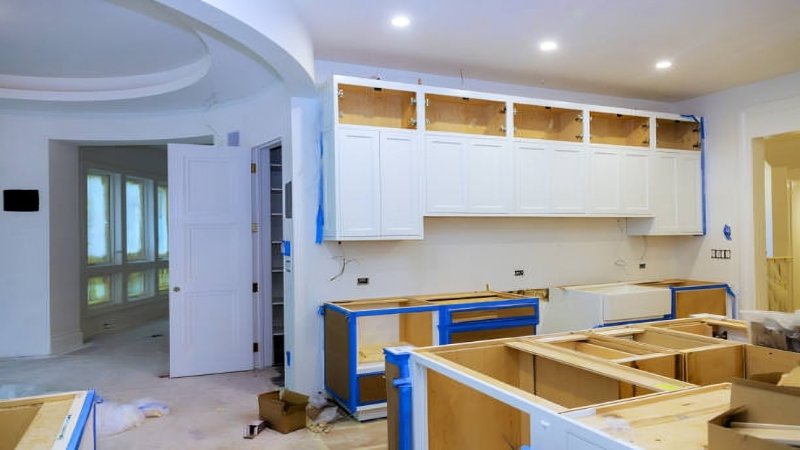
A kitchen can look beautiful in photos and still feel frustrating every morning. Maybe the counters fill up too fast. Maybe the cabinets hide things so well that nobody can find them. Maybe the layout technically works, but it does not make cooking, cleaning, or gathering feel any easier. That is why the best kitchen updates start with a bigger question than color, finish, or style. They ask how the room should support daily life.
The heart of a better kitchen starts with smarter choices
A better kitchen is not built from one dramatic feature. It usually comes from a series of thoughtful decisions that make the whole room easier to use, easier to clean, and easier to enjoy. Cabinets and countertops carry much of that responsibility because they shape the way the space looks and the way it functions every single day.
Think about how much happens on and around those surfaces. Groceries land on the counter. Meals are prepared there. Homework gets spread out. Coffee is made half-awake. Cabinets hold cookware, pantry items, dishes, cleaning supplies, and the random little things that somehow always end up in the kitchen. When these elements are planned well, the room feels calm and capable. When they are chosen separately or without much strategy, the kitchen can feel cluttered even when it is technically clean. The goal is not just more space, but better space, especially when the design includes thoughtful built-in kitchen storage that supports the way people actually move through the room each day.
This is where many homeowners realize that cabinets and counters are not just finishing details. They are the working parts of the kitchen. The right combination can make a compact room feel more open, a busy family kitchen feel more organized, or an older space feel refreshed without losing its warmth. The strongest results come from choosing materials, layouts, colors, and storage features together instead of treating them as separate decisions.
Start with how the room actually works
Before anyone falls in love with a cabinet color or countertop pattern, it helps to look at the everyday rhythm of the kitchen. The best design choices are the ones that quietly remove friction from normal routines.
A strong layout usually begins with zones. There should be a clear place for prepping food, cooking, cleaning up, serving, and storing essentials. If the dishwasher is far from the dish cabinets, unloading becomes annoying. If the trash pullout is nowhere near the prep area, cooking gets messier than it needs to be. If there is not enough counter space near the stove or refrigerator, even simple meals can feel cramped.
That is why professional kitchen planning often focuses on flow before finishes. A good cabinet plan can create dedicated areas for spices, trays, pots, utensils, pantry goods, and cleaning items. A smart countertop plan can make sure there is enough durable surface area where the most activity happens. For homeowners who want a more complete transformation, a design-build approach can bring layout, storage, surfaces, and installation together in one organized process, which is why many people look at examples from COOPER Design Build & Remodeling of Portland when thinking through full kitchen improvements. The real benefit is a room that feels intentional from the first cabinet to the final detail.
Once the layout is working, style becomes much easier to choose. Instead of picking materials in isolation, every choice can support a clear purpose. A large island might need a resilient counter surface because it handles prep, meals, and conversation. A wall of cabinets might need a softer finish so the room does not feel heavy. Open shelving might work beautifully in one home, while deeper drawers might make far more sense in another.
Cabinets do more than hold your stuff
Cabinets set the tone for the kitchen before anyone notices the small details. Their color, profile, hardware, and layout can make a room feel bright and modern, warm and traditional, calm and minimal, or rich and layered. Still, the best cabinets are not only attractive. They make the kitchen easier to live in.
Lower drawers are a great example. Many people find them easier to use than standard lower cabinets because items can be pulled out and seen clearly. Deep drawers can hold pots, pans, mixing bowls, or even small appliances. Tall cabinets can turn awkward wall space into useful pantry storage. Corner solutions can rescue areas that often become dead zones. Even small choices, like where to place dividers or pullouts, can change how smoothly the room functions. Sleek frameless cabinets also support this kind of efficient design by reducing bulk and allowing more usable internal space, making storage feel more accessible and organized overall.
Cabinet height also matters. Extending cabinets closer to the ceiling can make a kitchen feel more custom while adding storage for items that are not used every day. On the other hand, leaving some breathing room above the cabinets may work better in homes where visual openness is more important than maximum storage. There is no single right answer. The right decision depends on the room, the ceiling height, the homeowner’s habits, and the overall look they want.
Finish choices deserve the same level of thought. A bright painted cabinet can make a kitchen feel clean and open, but it may show marks more easily in a high-traffic home. Natural wood can bring warmth and texture, but the tone needs to work with flooring, lighting, and counters. For example, natural white oak cabinets are often chosen for their balanced, neutral grain and ability to complement both modern and traditional kitchen designs without overpowering the space. Dark cabinets can feel dramatic and elegant, but they need the right balance of light, contrast, and surface selection so the room does not feel closed in.
Countertops carry the daily workload
Countertops are one of the most visible features in a kitchen, but their real value is measured by how well they handle daily life. A beautiful surface that stains easily or requires more care than the household can realistically give may become a source of stress. A practical surface that feels flat or mismatched can make the whole room feel unfinished. The sweet spot is finding a material that looks good, feels good, and performs well.
Different surfaces bring different strengths. Some homeowners want a polished, low-maintenance option that can handle spills and frequent cleaning. Others prefer the character of natural stone, with its movement, depth, and one-of-a-kind variation. Some like the warmth of wood in certain areas, especially where the kitchen needs a softer, more organic feel. The key is to match the counter to the way the space will be used.
Color and pattern matter too. A heavily patterned counter can become the focal point of the room, especially when paired with simpler cabinets. A quieter surface can create a calm foundation and allow lighting, hardware, tile, or wood tones to stand out. Thickness, edge style, and finish can also shift the feeling of the kitchen. Even small details can push the room toward classic, modern, rustic, elegant, or casual.
Maintenance should be part of the conversation early. Some materials need sealing. Some resist stains better than others. Some tolerate heat better, though trivets are still a smart habit. Some hide crumbs and fingerprints more easily. The best choice is not always the most expensive one. It is the one that fits the household’s cooking habits, cleaning style, budget, and design goals.
The magic happens when cabinets and counters work together
Cabinets and countertops should feel like they belong in the same story. When they clash, the kitchen can feel busy or accidental. When they complement each other, the room feels pulled together even before the backsplash, lighting, and décor are added.
Balance is the most important idea. If the cabinets have a lot of visual detail, a simpler countertop can keep the room from feeling crowded. If the cabinets are clean and understated, a countertop with more movement can add personality. Light cabinets with light counters can make a space feel airy, while darker contrasts can create depth and drama. Wood tones can warm up sleek surfaces, and smooth counters can refine more rustic cabinet finishes.
It also helps to think about the whole home. A kitchen does not exist in isolation, especially in open layouts. The cabinets and counters should connect naturally with nearby flooring, wall colors, furniture, and architectural details. A kitchen can still have its own personality, but it should not feel like it belongs to a completely different house.
Lighting can change everything. A countertop that looks soft and subtle in a showroom may look much stronger under bright daylight. Cabinet colors can shift depending on warm or cool bulbs. Samples should always be viewed in the actual room when possible, at different times of day. This simple step can prevent expensive surprises.
Small details make the space feel finished
A kitchen becomes more enjoyable when the details support both beauty and convenience. Hardware, backsplash tile, outlets, lighting, trim, and interior cabinet features may seem secondary, but they often determine whether the finished room feels thoughtful or merely updated.
Hardware is one of the easiest ways to influence the overall style. Slim pulls can feel modern. Rounded knobs can soften the look. Mixed hardware can add interest when done carefully. The size matters too. Oversized pulls may look bold on large drawers, while smaller pieces may suit narrow doors or traditional profiles.
Backsplash choices can either blend in or add character. A simple tile can create a clean backdrop. A textured or patterned option can add movement. The backsplash should work with both the cabinets and the counters, not fight them. It is often the bridge that ties the two together.
Interior features also deserve attention. Pullout shelves, tray dividers, drawer inserts, hidden trash storage, appliance garages, and vertical storage can make a kitchen feel custom without making it feel complicated. The point is not to add every feature possible. The point is to choose the features that solve real problems.
A better kitchen is one you enjoy using
The best kitchen is not defined by one material, one trend, or one dramatic before-and-after moment. It is defined by how it feels on an ordinary day. Can you find what you need? Is there enough room to prep a meal? Are the surfaces easy to clean? Does the room feel inviting when people gather? Do the cabinets and counters still make sense after the novelty wears off?
That is why cabinets and countertops deserve careful planning. They influence the way the kitchen looks, but more importantly, they shape the way the kitchen works. When chosen together, they can create a space that feels organized, comfortable, durable, and personal.
A better kitchen does not have to be flashy. It has to be thoughtful. When the cabinets support the routine, the counters stand up to daily life, and the design feels connected from one choice to the next, the whole room becomes easier to love.

Malik Bilal is the Editor at World Outstanders. With 3+ years of experience in business and technology writing, he creates clear, research-driven content on business, tech, health, and lifestyle topics, always focused on accuracy, trust, and practical value.