
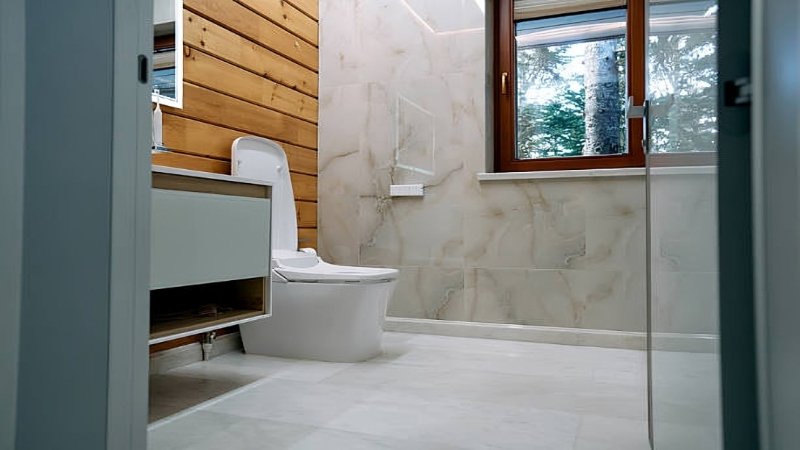
A great bathroom should do more than look impressive in photos. It should make mornings smoother, evenings calmer, and everyday routines easier to manage. Before choosing tile, fixtures, mirrors, or paint colors, take a step back and think about what currently frustrates you. Maybe the vanity is always cluttered, the lighting makes shaving or makeup difficult, the shower feels cramped, or the storage never quite works. Planning around those small daily issues helps you create a space that feels personal, practical, and polished without assuming every project has to become a full-scale master bath renovation. The smartest updates usually begin with honest observation.
Style matters, of course, but function should lead the conversation. A beautiful room that lacks storage, has poor lighting, or feels awkward to move through will quickly become annoying. The goal is to create a space that looks good because it works well. When the layout, surfaces, fixtures, and storage all support the way you live, the entire room feels more intentional.
Start by writing down what you want the space to do better. Do you need easier cleaning? More counter space? A larger shower? Better ventilation? Safer flooring? A more relaxing atmosphere? These answers will shape every decision that follows. They also help you avoid spending money on upgrades that look exciting at first but do not actually improve your daily experience.
Build the plan around your daily routine
Every successful bathroom plan starts with real life, not a showroom display. The way you use the room should guide the layout, storage, lighting, and finish choices from the very beginning.
Think about who uses the space and when. A shared family bathroom needs a different plan than a quiet ensuite. A guest bathroom may need simple, durable finishes and easy-to-find storage, while a primary bath may deserve more comfort-focused details. If two people use the room at the same time, a wider vanity, separated storage, or better lighting zones may matter more than decorative extras. In many remodels, custom bathroom vanities are used to tailor storage, layout, and style to the specific needs of the household, ensuring both practicality and a cohesive design.
The morning routine is one of the best places to look for clues. If the sink area becomes crowded, the vanity may need deeper drawers, built-in organizers, or a larger countertop. If towels never seem to have a home, wall hooks, linen storage, or open shelving could solve the problem. If the shower feels rushed or uncomfortable, the issue might be size, placement, water pressure, or outdated doors.
The evening routine matters too. A bathroom can become a calm transition point at the end of the day when the lighting is softer, the surfaces are warmer, and the layout feels less cluttered. Small design choices, from dimmable lights to a better mirror setup, can change how the space feels without making it overly complicated.
It also helps to think about long-term comfort. A room that works today should still feel usable years from now. Walk-in showers, practical storage heights, non-slip surfaces, and easy-to-maintain materials can make the space more comfortable as needs change over time. Many homeowners find inspiration from professional remodeling resources, including ideas shared by new hope cabinets, baths & kitchens by charles weiler, when thinking through how design and function should work together in a finished space.
Once you understand the routine, you can separate must-haves from nice-to-haves. Must-haves solve real problems. Nice-to-haves add personality, comfort, or visual interest. A smart plan leaves room for both, but it protects the practical choices first.
Choose a layout that makes movement feel natural
The layout controls how comfortable the room feels before anyone notices the finishes. Even a small bathroom can feel easier to use when the sink, toilet, shower, door swing, and storage are placed with care.
A common mistake is focusing only on what can fit. The better question is what feels natural to use. Can the vanity drawers open fully? Is there enough room to step out of the shower? Does the door interrupt the walkway? Can someone reach towels without crossing the entire room? These details may sound minor, but they shape the experience every day.
If the current layout mostly works, you may not need dramatic changes. Keeping plumbing in place can often help control costs while still allowing major visual and functional improvements. A new shower enclosure, updated vanity, better lighting, improved storage, and fresh surfaces can make the room feel completely different.
However, if the layout causes constant frustration, it may be worth rethinking. Moving a fixture, replacing a tub with a shower, or choosing a floating vanity can open up space and improve flow. The best layout is not always the largest one. It is the one that reduces friction.
Let storage do more than hide clutter
Good storage should feel natural, not forced. It should support the way you use the room and keep essentials within reach without turning every surface into a landing zone.
Vanities are often the hardest-working storage feature. Drawers can be more useful than deep cabinets because they allow you to see everything at once. Built-in dividers, outlets inside drawers, and separate sections for grooming tools can make daily routines feel smoother. If the room is small, a vanity with clean lines and smart interior storage can provide function without making the space feel heavy.
Wall storage can also help, especially when floor space is limited. Medicine cabinets, recessed shelves, towel niches, and vertical cabinets add usefulness without crowding the room. Open shelving can look attractive, but it works best when used carefully. Too much open storage can make the room feel busy, especially in a space meant to feel clean and relaxing.
Shower storage deserves attention, too. A built-in niche is often more elegant and practical than hanging caddies or corner shelves. It keeps bottles organized, improves the look of the shower, and makes cleaning easier. When planning the niche, consider height, width, and how many products actually need to fit.
Pick materials that can handle real use
Bathroom materials have to deal with water, steam, cleaning products, dropped items, and daily traffic. A finish may look beautiful on a sample board, but it also needs to perform in a demanding environment.
Durability should guide your choices for flooring, shower walls, countertops, cabinets, and hardware. Porcelain tile, solid surface panels, quartz counters, moisture-resistant cabinetry, and quality fixtures can all support a room that stays attractive over time. The right material choices can also reduce maintenance, which matters just as much as style.
Think about texture and safety as well. Glossy surfaces can reflect light beautifully, but they may not be ideal underfoot. Matte or lightly textured flooring can provide better traction. Shower surfaces should be easy to clean, resistant to moisture, and suited to frequent use.
Color and pattern also affect how the room feels. Lighter tones can make a small space feel more open, while warm neutrals add comfort. Bold tile, dark cabinetry, or statement hardware can work beautifully, but they should be balanced with quieter elements so the room does not feel overwhelming.
Use lighting to shape the mood and improve the room
Lighting is one of the most overlooked parts of bathroom planning, yet it can completely change how the space works. A single overhead fixture rarely provides enough useful light.
A better plan uses layers. Task lighting around the mirror helps with grooming. Ambient lighting brightens the room overall. Accent lighting can highlight a niche, vanity area, or architectural detail. When these layers work together, the room feels more comfortable and more finished.
Placement is just as important as brightness. Light directly above the mirror can create shadows on the face, while side lighting often feels more flattering and practical. Dimmable lighting is also useful because the room does not need to feel the same at 6 a.m. as it does before bed.
Natural light should be considered, too. If the room has a window, privacy and brightness need to work together. Frosted glass, window treatments, or strategic layout decisions can preserve daylight without making the room feel exposed.
Keep the style simple, personal, and lasting
A stylish bathroom does not need to chase every trend. In fact, the best spaces usually feel current without being trapped in a specific moment.
Start with a clear style direction. Do you want warm and traditional, clean and modern, calm and spa-inspired, bold and dramatic, or soft and classic? Once you know the direction, choices become easier. The vanity, mirror, lighting, tile, fixtures, and accessories should feel connected, not identical.
It is smart to keep permanent elements more timeless and use smaller details for personality. Tile, cabinetry, and major fixtures are harder to change later, so they should have staying power. Hardware, mirrors, paint, rugs, towels, and decor can bring in trendier touches without locking the room into one look.
The most inviting spaces often blend beauty with restraint. A few strong choices usually work better than too many competing ideas. A standout vanity, a beautiful shower wall, or dramatic lighting can carry the room when the rest of the design supports it.
Plan the project before the work begins
A smooth remodel depends on decisions made before construction starts. Clear planning helps reduce delays, budget surprises, and last-minute compromises.
Before the project begins, finalize the major selections as much as possible. Know the vanity size, shower style, fixture finishes, tile direction, lighting plan, mirror placement, and storage needs. This does not mean every tiny accessory must be chosen, but the core decisions should be settled.
Budget planning should include more than materials and labor. It should also account for unexpected repairs, upgrades, permit-related needs, and small finishing details. A realistic budget protects the project from becoming stressful halfway through.
Working with experienced professionals can also make the process easier. They can help identify layout issues, recommend durable materials, manage installation details, and keep the project moving in the right order. That guidance can be especially helpful when you are balancing style, cost, comfort, and long-term value.
Create a bathroom that supports everyday life
The best bathroom plan is not just about having a prettier space. It is about creating a room that feels easier, calmer, cleaner, and more enjoyable to use every day.
When you begin with your routine, choose a layout that improves movement, invest in smart storage, select durable materials, and use lighting with intention, the finished space feels thoughtful instead of random. Style becomes more meaningful because it supports the way the room works.
A well-planned bathroom does not have to be extravagant to feel special. It simply needs to solve the right problems, reflect your taste, and make daily life a little more comfortable. That is what turns a basic update into a space you genuinely enjoy using.
