
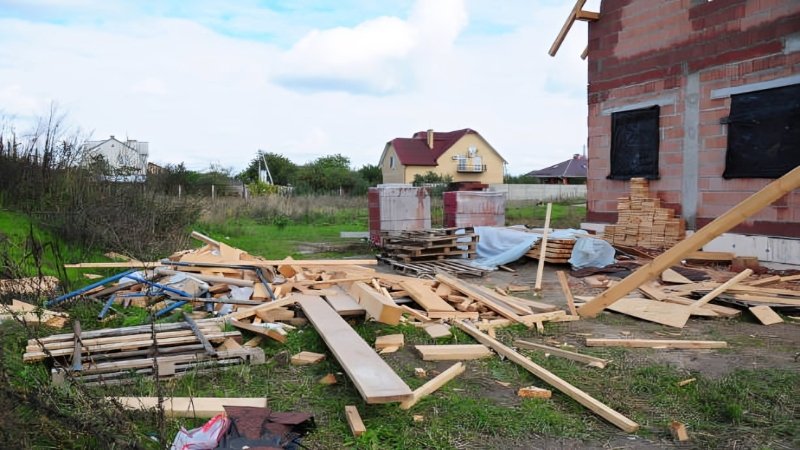
Home renovation projects often focus on design choices, materials, and timelines, but one important aspect that is easy to overlook is construction debris. From the moment demolition begins, waste starts to accumulate, and without a clear plan, it can quickly become difficult to manage. For homeowners, understanding how construction debris is created and handled can make the renovation process smoother and less stressful.
What Counts as Construction Debris
Construction debris includes a wide range of materials generated during renovation or repair work. Common examples include drywall, wood, flooring, tile, insulation, and old fixtures such as cabinets or sinks. Packaging materials from new products also add to the total volume of waste.
Some debris is lightweight but bulky, while other materials can be heavy and difficult to move. This combination is what often makes construction waste challenging to manage using regular household trash services. Recognizing the different types of debris involved helps homeowners prepare for proper disposal.
Why Debris Builds Up Quickly
One of the biggest surprises during a renovation is how quickly debris accumulates. Removing even a small section of flooring or tearing out a single wall can produce a significant amount of waste. As work continues, materials from multiple stages of the project begin to pile up.
If debris is not removed regularly, it can take over work areas and create obstacles for both homeowners and contractors. This buildup can slow progress and make it harder to keep the project organized. Planning for continuous debris removal helps prevent these issues from becoming a problem.
The Importance of Organized Waste Handling
Keeping construction debris organized is essential for maintaining a functional work environment. When materials are left scattered across the site, it becomes harder to move around safely and efficiently. Tools and supplies may be harder to access, and work may need to pause for cleanup before continuing.
Establishing a designated area for debris helps keep the project on track. Removing waste as it is created, rather than waiting until the end, keeps spaces clearer and easier to navigate. This approach also reduces the amount of work required during final cleanup.
Understanding Disposal Limitations
Many homeowners assume that construction debris can simply be placed in regular trash bins, but this is often not the case. Local waste services typically have limits on the type and volume of materials they will accept. Heavy items, large quantities of debris, or certain materials may require alternative disposal methods.
Being aware of these limitations ahead of time helps avoid delays or unexpected complications. It also allows homeowners to plan for appropriate disposal solutions that align with local guidelines.
Using Centralized Disposal Options
For projects that generate significant waste, centralized disposal can make a noticeable difference. Instead of relying on multiple trips to a landfill or trying to manage debris with standard bins, many homeowners use services like Waste Removal USA to simplify the process.
Having a designated container on-site allows debris to be discarded immediately. This reduces clutter, improves efficiency, and helps keep the renovation moving forward without unnecessary interruptions.
Safety Considerations During Cleanup
Construction debris can present safety risks if not handled properly. Sharp edges, nails, broken materials, and uneven piles increase the likelihood of injury. Keeping debris contained and removing it regularly helps maintain a safer environment.
Wearing protective gear such as gloves and sturdy footwear is also important when handling construction materials. Taking these precautions helps reduce the risk of accidents during both demolition and cleanup.
Planning for Final Cleanup
At the end of a renovation, a thorough cleanup is needed to prepare the space for use. Leftover debris, dust, and small materials should be removed so the finished project can be fully enjoyed. Planning for this phase ahead of time ensures that it does not become an afterthought.
A well-managed cleanup allows homeowners to transition from construction to completion more smoothly. It also helps highlight the improvements made during the renovation process.
Construction debris is an unavoidable part of home renovation, but it does not have to be overwhelming. By understanding what materials are involved, planning for ongoing removal, and using effective disposal methods, homeowners can keep projects organized and efficient. With the right approach, managing debris becomes a routine part of the renovation process rather than a major challenge.
